The head coach of the Brazilian national team, Carlo Ancelotti, shared his opinion regarding the team's attacking style and its approach to ball possession.
The head coach of the Brazilian national team, Carlo Ancelotti, shared his opinion regarding the team's attacking style and its approach to ball possession.
Ancelotti noted that if there are players in the attacking line capable of effectively utilizing the spaces behind defenders, such as Vinicius Junior, Endrick, and Estevão, then the team should play more vertically compared to other national teams.
The coach emphasized that this observation does not apply to Spain, as they lack players with similar characteristics in attack. He mentioned Lamine Yamal, who is very strong in certain situations, while the other footballers mainly rely on combination play.
Ancelotti also stated that there are matches where less ball possession is not a decisive factor, and all of this depends on the individual qualities of the players. It should be recalled that the Brazilian national team finished its run in the Round of 16 of the 2026 World Cup.
According to sources, the Portuguese expert told the club management about his desire to keep the Brazilian winger Vinícius in the team.
The head coach of the Madrid club Real, José Mourinho, is against the departure of the Brazilian winger Vinícius Júnior in the summer transfer window. This was reported by The Telegraph newspaper.
Previously, there were reports that the London club Arsenal was interested in the Brazilian footballer.
Vinícius' current contract with Real runs until the summer of 2027. The Brazilian forward has been playing for the Madrid club since the summer of 2018. Last season, he participated in 53 matches in all tournaments, scoring 22 goals and making 14 assists.
According to Transfermarkt data, Vinícius Júnior's market value is 140 million euros.
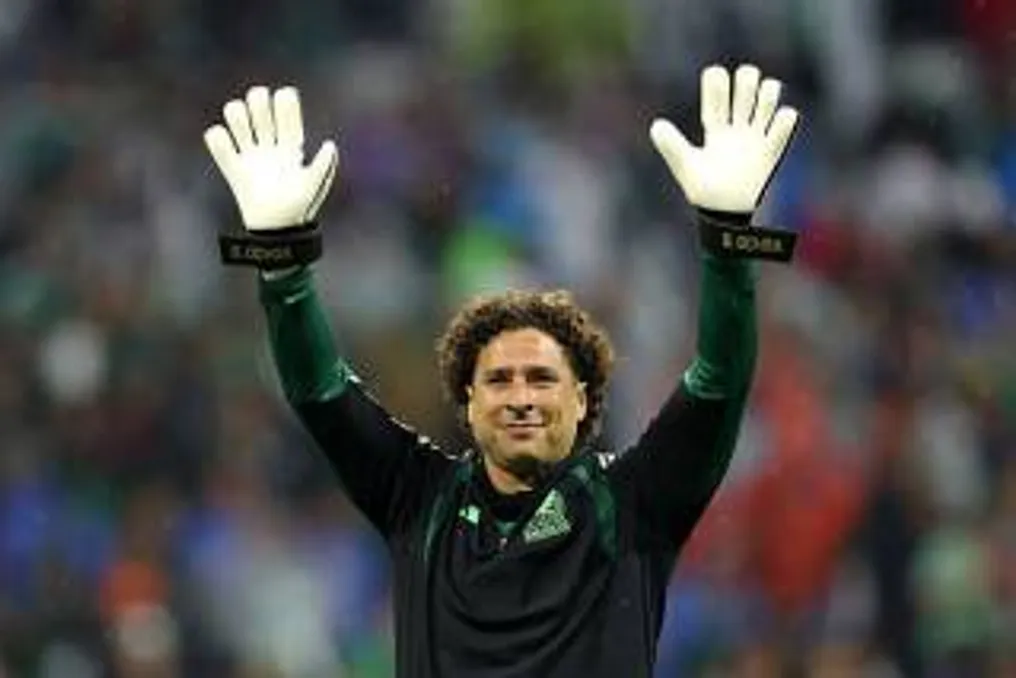
FIFA released a special post regarding the retirement of the Mexican legend, goalkeeper Guillermo Ochoa, from professional activity.
Guillermo Ochoa is the sixth oldest player in World Cup history and a true World Cup legend. He announced the end of his football career after participating in the sixth record-level World Cup this year.
The FIFA statement says: 'We wish you good luck not only in life, Guillermo!'. It should be noted that Ochoa played 154 matches for the Mexican national team. His last club was AEL Limassol from Cyprus.
Ochoa, who was raised in the 'America' academy, played the most matches in his professional career specifically for this club. Furthermore, he played for teams such as 'Ajaccio', 'Málaga', 'Granada', 'Standard', and several other clubs.
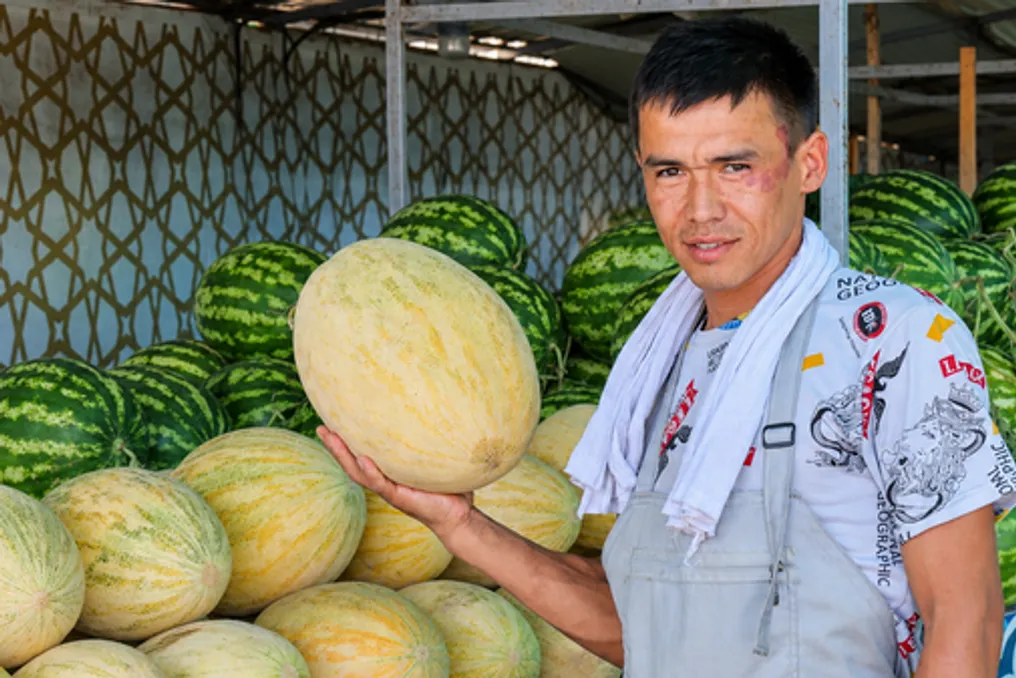
In Tashkent, the Eski Zhuva market has started the season for trading watermelons and melons. The market is filled with watermelons of various varieties and large melons brought from Jizzakh.
Entrepreneur Doston Nosirov provided information on available varieties, their weight, and current prices. The trade of watermelons and melons has intensified during the summer period, as fresh harvest is delivered to the market every morning. Sellers unload the produce from trucks onto stalls and assist buyers in selecting ripe fruits.
At the market, one can find watermelon varieties such as 'chillaki', 'qukcha', 'guloba', 'handalak', and 'obinavot'. According to Doston Nosirov, farmers have harvested a high-quality and sweet crop this year. One of the most sought-after varieties during the summer season is 'chillaki', which received its name because it ripens during the hottest period of summer—chilla.
Watermelons of the 'chillaki' variety have an average weight of three to eight kilograms. Their price is 5 thousand sums per kilogram, but by negotiating with the buyer, an eight-kilogram watermelon can be purchased for 30–35 thousand sums. The 'obinavot' variety, grown in the Syrdarya region farms, is also offered at a price of 5 thousand sums per kilogram. The price for the 'qukcha' variety approaches 7 thousand sums per kilogram.
Melons from the Jizzakh region have also arrived at the stalls. They are sold at approximately 3.5 thousand sums per kilogram. The average weight of one melon is eight to ten kilograms, and its cost reaches 30–35 thousand sums. Doston Nosirov emphasized that one melon averages 30–35 thousand sums, although some buyers prefer smaller sizes, while others look for large and fleshy specimens.
The market has a characteristic summer trading atmosphere: stalls are laden with watermelons and melons, sellers are busy unloading and arranging the new harvest, and buyers are selecting ripe and sweet fruits.