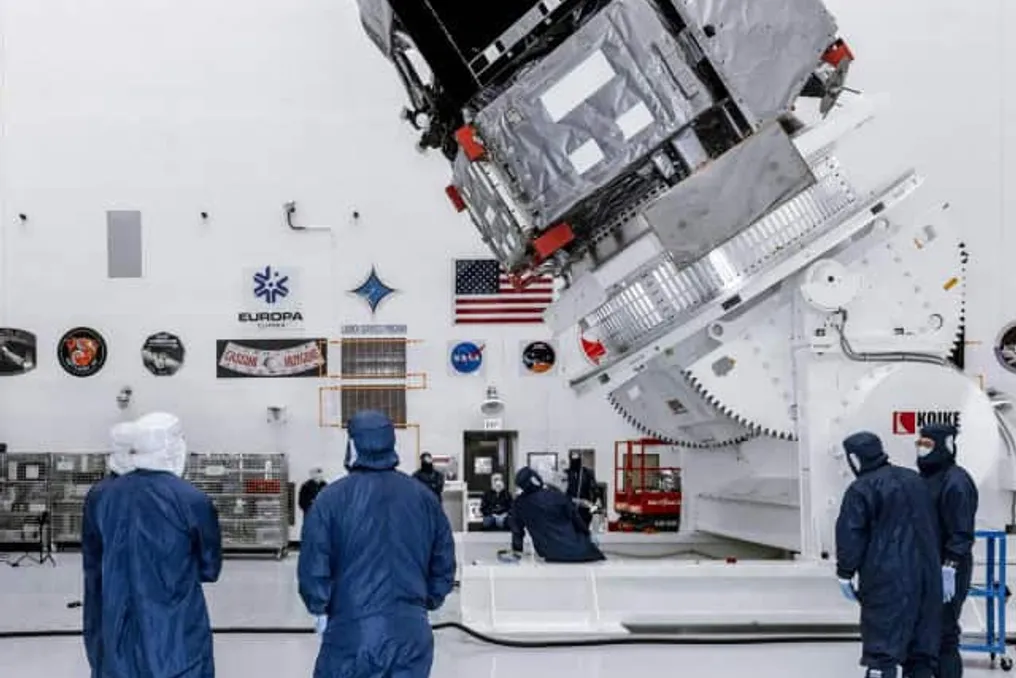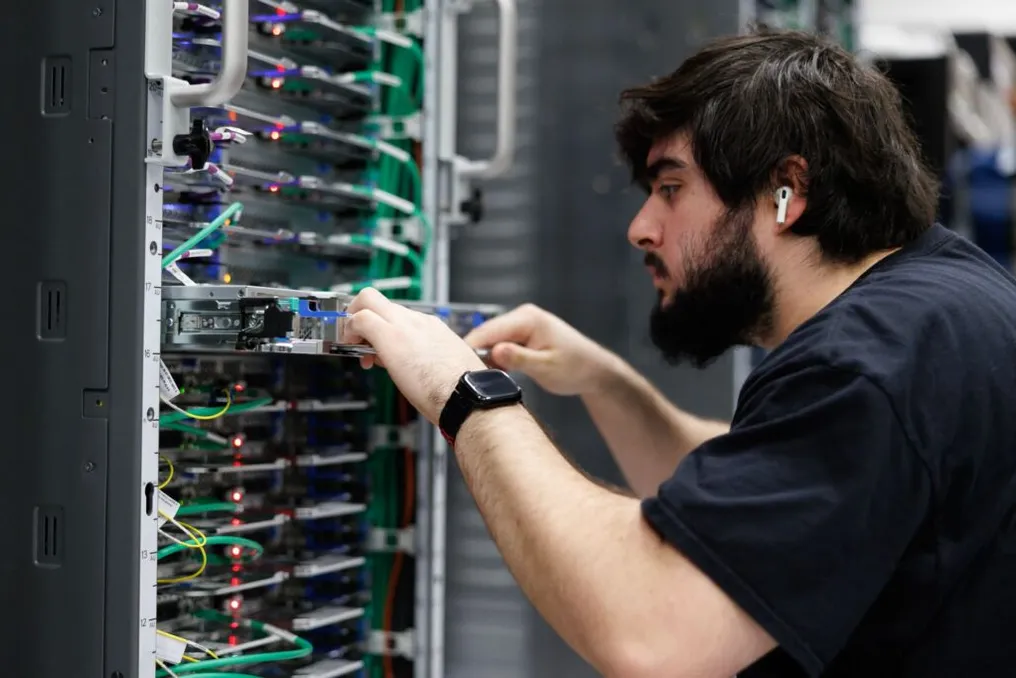
The physical infrastructure underpinning chatbots, including heavy equipment, power lines, and cooling systems, faces limitations. This has led to thousands of electricians and carpenters being hired to build artificial intelligence data centers across the country.
Rising Demand for Skilled Labor
Without specialists to lay cables, install pipes, and erect walls, tech companies cannot launch new models. Consequently, major companies constructing data centers are collectively allocating over $265 million for the wages of electricians, carpenters, and other construction workers.
Reasons for the Shift to Construction
Building a data center requires enormous amounts of electricity and complex industrial cooling systems to prevent server overheating. Contractors often face pressure for rapid completion, which has significantly increased the demand for skilled labor in recent years. In areas with high construction density, it is not uncommon to see electricians working 10 hours a day, seven days a week, to maintain the pace of work.
Worker Motivation
The primary incentive for people is financial gain. Working in industrial data centers pays significantly more than standard residential or local commercial construction jobs. Electricians working overtime at these facilities can earn hundreds of thousands of dollars annually. This level of pay is transforming the labor market: experienced workers are leaving residential construction sites to take on data center construction contracts. Simultaneously, people leaving retail or teaching are enrolling in apprenticeships in construction trades, causing local developers to struggle with finding help and delaying housing projects.
Industry Skills Shortage Problem
Currently, tech companies are slowed not by a lack of capital or code, but by a shortage of skilled personnel to perform the physical labor. When local regulatory issues or construction halts arise, the financial damage is primarily borne by skilled tradespeople. To avoid workforce shortages, large tech firms are directing significant funds directly to local colleges and trade unions to train the next generation of workers.
Statistics and Giant Investments
The demand for jobs in skilled trades has grown by nearly 30% over the last three years, outpacing growth in typical commercial roles. Specialized work in data centers commands a 32% wage premium; overtime electricians can earn between $114,000 and $280,000 per year in major tech hubs like Texas and Virginia. Meanwhile, the broader US construction industry faces a serious deficit of about 439,000 workers. Tech companies are intervening directly by allocating hundreds of millions of dollars to local programs to address this shortage.
Specific Company Actions
To close this gap, tech giants are investing heavily in short-term training. Meta launched its Workforce Readiness Academy with $115 million, and Google pledged $10 million to the Electrical Training Alliance. Meanwhile, the number of applications for commercial electrical apprenticeships has increased by over 70% between 2022 and 2024. The New York Times reported that major tech companies have directed $265 million toward hiring and training electricians, carpenters, and other builders who construct data centers. As noted in one industry report, 'A finished data center requires far fewer workers to operate than to build.' Artificial intelligence may be code, but data centers are built by hands.