Uzbekistan continues to implement state support measures aimed at developing modern tourism infrastructure, improving the quality of hotel services, and attracting international hotel brands.
Uzbekistan continues to implement state support measures aimed at developing modern tourism infrastructure, improving the quality of hotel services, and attracting international hotel brands.
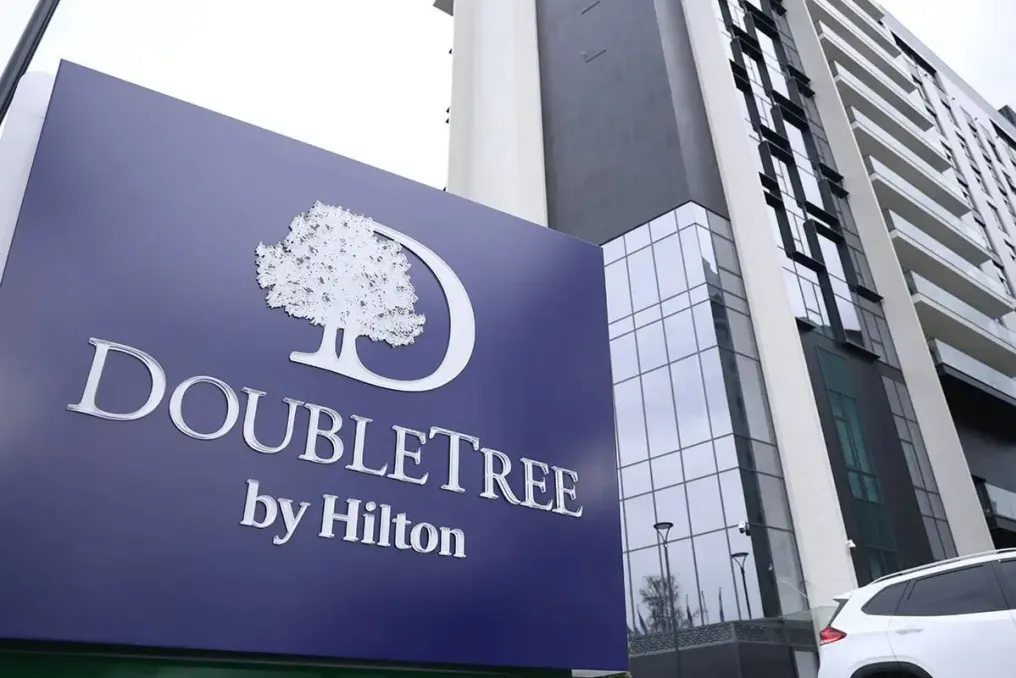
According to the subsidy program approved by Presidential Decree No. PP-238 of July 27, 2023, the international hotel DoubleTree by Hilton, which opened in Tashkent in April 2026, received state subsidies totaling nearly 12 billion soms.
The ceremony for presenting the subsidy certificate was attended by representatives of the Committee on Tourism, industry figures from the hospitality business, and mass media. In accordance with the procedure approved by Cabinet of Ministers Decree No. 550, the hotel received 10.725 billion soms for creating 165 rooms. Additionally, the institution was granted an extra subsidy of 99,000 US dollars for introducing an international hotel brand in Uzbekistan.
Alexander Bakanov, Managing Director of DoubleTree by Hilton, emphasized that state support played an important role in the implementation of this project. He noted that Uzbekistan has created very favorable conditions for the development of the hospitality industry, and state subsidies, incentives, and practical assistance to investors contribute to the realization of large international projects.
Bakanov added that such support not only motivates investors but also contributes to increasing the number of hotels meeting international standards, improving service quality, and further developing the country's tourism potential. He expressed his delight at participating in the development of Uzbekistan's tourism.
S. Tajiev, Deputy Chairman of the Committee on Tourism, stated that state policy supporting the hotel industry strengthens investment attractiveness and promotes tourism in the country. According to him, such projects, implemented through a combination of state subsidies and investor initiatives, yield positive economic results: new jobs are created, local specialists receive training according to international standards, and a competitive environment in the hospitality sector is formed.
He also noted that the appearance of international brands like DoubleTree by Hilton increases the confidence of foreign investors in Uzbekistan's tourism potential.
Currently, DoubleTree by Hilton is among the ten five-star hotels operating in Uzbekistan. Under the current state support program, subsidies are provided to new hotels being commissioned before the end of 2026. The compensation amounts to 40 million soms per room for three-star hotels and 65 million soms per room for four- and five-star facilities. To receive subsidies, hotels must meet established requirements regarding category, capacity, and building height.
The implementation of such projects contributes to the further improvement of the country's tourism infrastructure, raising the level of service, attracting international investment, and strengthening Uzbekistan's position as one of the most promising tourist destinations in the region.
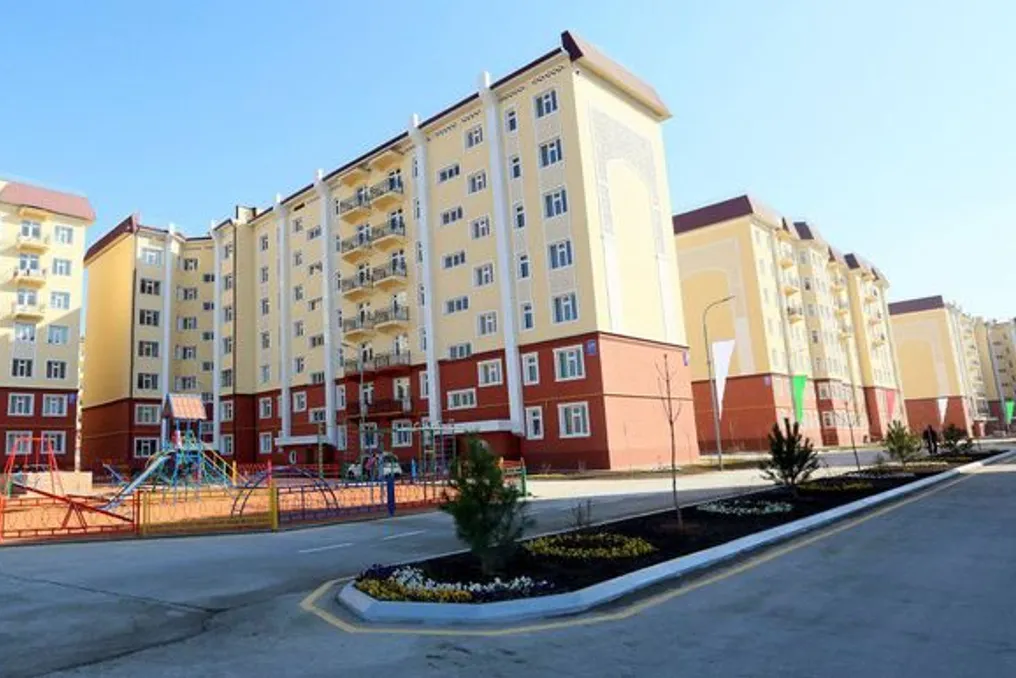
There is a significant growth in the mortgage lending sector in Uzbekistan. In the first six months of 2026, commercial banks provided mortgage loans to 42.6 thousand citizens for a total amount of 13.1 trillion soms.
This figure demonstrates an increase in financing by 3.6 trillion soms compared to the same period last year. The average interest rates applied to the issued loans ranged from 16.8% to 21.6%, depending on the source of the funds.
A large share of the allocated funds was directed towards the purchase of both new and under-construction housing. Furthermore, 75% of all mortgage loans were used to purchase properties on the primary market, indicating high consumer interest in new buildings. The remaining 25% of the loan volume was directed to the secondary real estate market.
According to the Fiscal Strategy for the period 2027–2029, state expenditures in Uzbekistan are projected to increase from 457.3 trillion soums in 2026 to 596 trillion soums by 2029. Meanwhile, the share of these expenditures in GDP will decrease from 21% to 18.4%.
The fastest-growing expenditure item will be payments on government debt interest. These are expected to rise from 23.8 trillion soums in 2026 to 29.4 trillion soums in 2027, then reach 38.2 trillion soums in 2028, and amount to 48.5 trillion soums in 2029, representing a doubling over three years. The share of these payments in total budget expenditures will increase from 5% to 8%.
The social sphere remains a priority, accounting for 54% of all expenditures. Education spending is planned to grow from 102.1 trillion soums in 2026 to 155.6 trillion soums in 2029. Healthcare expenditures will also increase, rising from 50.7 trillion to 77.5 trillion soums. Furthermore, expenditures on social benefits and financial aid will grow from 17.4 trillion to 24.3 trillion soums, and transfers to the Pension Fund will increase from 23 trillion to 27 trillion soums.
In contrast, subsidies intended to compensate for low tariffs on gas, heating, and public transport for the population will decrease from 14.9 trillion soums in 2026 to 10.5 trillion soums in 2029. Regarding economic expenditures, they will fall to 58.5 trillion soums in 2027 after peaking at 76.6 trillion soums in 2026, before rising to 80 trillion soums by 2029. In 2027, 20.5 trillion soums will be allocated for centralized investments, including 3 trillion soums for secondary schools, 3 trillion soums for road and transport infrastructure, and 1.7 trillion soums for irrigation. State programs are budgeted at 66 trillion soums in 2027.