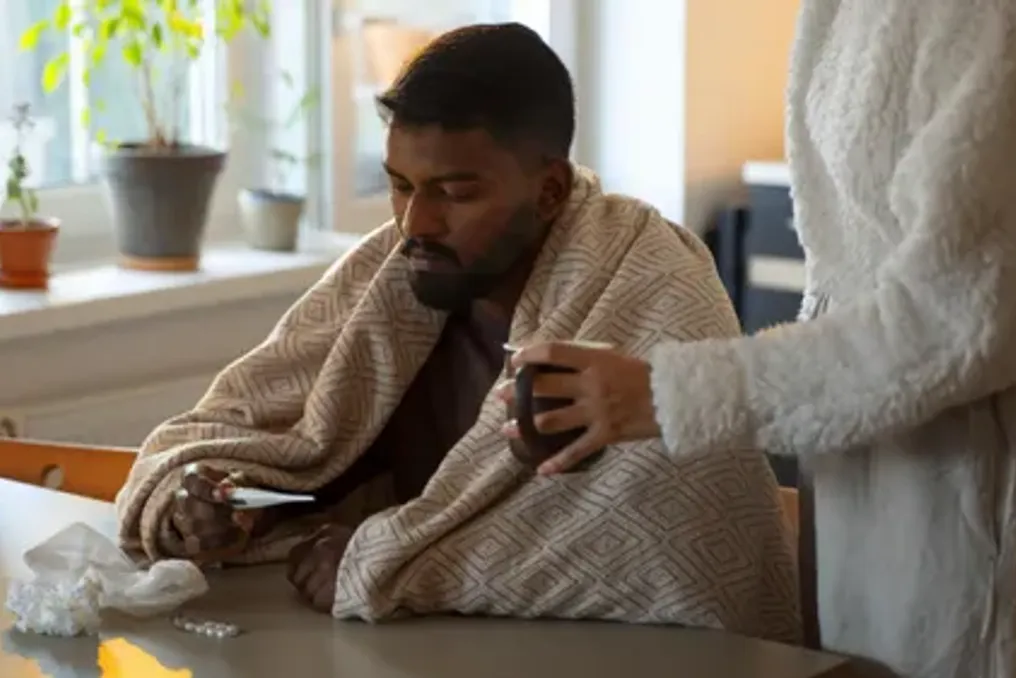
The current flu season started earlier than usual, in March. This year's financial costs go far beyond doctor consultations, affecting pharmacy expenses, hospitalization, and missed work.
The current flu season started earlier than usual, in March. This year's financial costs go far beyond doctor consultations, affecting pharmacy expenses, hospitalization, and missed work.
For many residents of South Africa, a cold or fever can quickly turn into significant expenses. These costs include purchasing over-the-counter medications, doctor visits, pathological tests, prescription drugs, and time spent recovering.
Special stands dedicated to winter health were noticeable in Johannesburg pharmacies, selling remedies for colds, coughs, vitamins, and immune boosters. Promotions such as '3 for the price of 2' demonstrated competition among pharmacies for seasonal spending. Prices for various products varied: Benylin 4 Flu syrup cost around R106, Corenza C tablets around R177, and ACC600 effervescent tablets approximately R169. Vitamins C, zinc, vitamin D, and immune supplements ranged from R50 to almost R100 per bottle.
The cost rises sharply when medical treatment is required. Consultations with general practitioners, diagnostic tests, and antiviral drugs like oseltamivir can add hundreds or even thousands of rand to the cost of a single illness episode. One pharmacist in Johannesburg reported that the original drug Tamiflu, prescribed for viral infections, cost about R800 for a five-day course, while the generic was half the price.
For bacterial infections, a course of antibiotics is prescribed along with an antiviral drug. In more severe cases, hospitalization significantly increases the financial burden. A Johannesburg resident told IOL that a recent flu outbreak cost him medical expenses of about R11,000 after accounting for all tests, consultations, and medication.
According to anecdotal evidence, the current flu season has been particularly severe, as some people reported being bedridden for at least a week. A therapist in Johannesburg, who wished to remain anonymous, noted that the circulating virus is 'very bad' and could be Influenza A or swine flu, possibly a mutation of both combined with Covid-19.
MedPark Hospital explains that Influenza A is characterized by high fever, body aches, and cough, and is the only known type capable of causing global pandemics. The National Institute for Communicable Diseases conducted testing on 94 samples from South Africans with flu and pneumonia-related symptoms, detecting 10% cases of influenza and 20% cases of respiratory syncytial virus (RSV), which can cause bronchitis.
According to the World Health Organization (WHO), the overall percentage of positive flu tests worldwide was below 10%, although it was 15% in the Southern Hemisphere. The positivity rate for Covid-19 and RSV remains low globally.
The WHO indicates that there are about one billion cases of seasonal flu annually, including three to five million severe cases, and flu causes between 290,000 and 650,000 respiratory deaths. A pharmacist in Johannesburg noted that the season was very intense at the beginning of winter, although demand has decreased in recent weeks, consistent with NICD data showing the season started in March, earlier than usual, and peaked mid-month.
Local pharmaceutical companies do not disclose data on the health status of South Africans. However, companies from the Northern Hemisphere reported a normal cold and flu season, which affected their results. More specific figures than the incidence rate among symptomatic individuals are also unavailable from private hospitals. The Netcare hospital group reported that by the end of 2025 (before September), the total bed occupancy was 65.5%, and the total number of bed days reached 2.4 million, an increase compared to the previous year. For the first six months before March, occupancy was 65%.
Climate conditions can influence the spread rate of the flu. A study published in the Journal of Virology showed that low temperatures and humidity promote the transmission of the flu, while another study in Environmental Research linked sharp daily temperature fluctuations to increased flu activity.
These findings are relevant against the backdrop of unusually variable winter weather in Gauteng, where warm daytime temperatures alternate with sharp cold fronts and forecasts of frost or snow in some regions. The Gauteng warning reported on Tuesday that while rain is expected in some parts of Gauteng, no significant impact from the cold front is anticipated, but snowfall is forecast in other provinces.
The personal damage from the flu is significant, but the broader economic effect is staggering. A 2019 NICD study, considered the most accurate local estimate, estimated annual costs associated with flu-related illnesses at US$270.5 million, equivalent to approximately 4.5 billion rand, based on about 10 million flu cases per year. With a population of 54.8 million at that time, this accounted for nearly one in six people.
The WHO previously noted that epidemics can lead to high rates of absenteeism among workers and students, as well as reduced productivity. Clinics and hospitals can become overwhelmed during peak periods of illness. A study by the National Library of Medicine showed that a typical full-time employee can lose about 3.5 days per week after developing symptoms due to absence and reduced productivity when infected with the flu—that is half a day more than with other illnesses.
Long-term illness is no longer solely an HR matter, as it affects employee well-being, business continuity, and long-term organizational sustainability. An analysis of long-term and special leave practices in 24 organizations conducted by Alexforbes showed that only 54% had a formal long-term sick pay benefit, and 42% did not offer such leave at all.
Paresh Kala believes that prolonged absence should be part of a broader healthcare risk management system, rather than being treated as a separate HR process. She emphasized that tracking trends such as duration of absence, recurrence, medical conditions, disability outcomes, and successful return to work provides valuable insight into emerging risks. This data allows organizations to move from reactive solutions to a more proactive approach, identifying areas where early intervention, improved managerial support, or policy updates are needed.
The republican working group is studying the progress of implementing the Decree of the President of the Republic of Uzbekistan, adopted on November 3, 2025, which concerns comprehensive measures to effectively protect public health and the national gene pool from drug addiction and drug crimes, in the Jizzakh region.
This document defines priority tasks, such as increasing the effectiveness of the fight against drug addiction, reliably protecting the population, especially youth, from the negative impact of this problem, strengthening the preventive system, and ensuring the coordination of state body activities.
As part of the implementation of the Decree, inspections continued in several districts of the Jizzakh region. In particular, meetings were held in Sharof Rashidov district and the city of Jizzakh with representatives of ministries and departments related to this sphere, law enforcement agencies, and other responsible organizations. During these meetings, a comprehensive analysis of the actual fulfillment of the tasks set out in the document was conducted.
The meetings discussed the fight against the illegal circulation of narcotic drugs and psychotropic substances, preventing their spread in real-time, and organizing targeted preventive measures. Furthermore, the results of propaganda campaigns aimed at forming legal awareness and a healthy lifestyle among the population, especially among young people, were reviewed. The republican working group thoroughly studied the prepared documents, reports, and supporting materials on the work performed.
During the inspections, official documents, executive discipline, and the level of task completion carried out by responsible organizations were examined separately. Based on the identified situations, specialists provided practical recommendations for further improving work efficiency, strengthening executive discipline, and timely eliminating existing shortcomings in this area.
It is emphasized that the National Plan of Comprehensive Practical Actions for 2025–2026 on combating drug addiction and drug crimes, mentioned above, has been approved. This plan provides for strengthening preventive measures, elevating interdepartmental cooperation to a new level, and defining mechanisms for targeted work based on 'roadmaps' in each region. The ongoing inspections in the Jizzakh region serve to objectively assess the implementation of these tasks locally, eliminate discovered problems, and ensure the timely and high-quality execution of established measures.
Following the inspections, instructions and practical advice were given to responsible persons regarding the need to further strengthen preventive and propaganda work, enhance interdepartmental interaction in the fight against the illegal circulation of narcotic drugs and psychotropic substances, and ensure that the tasks defined in the Decree are completed within the established deadlines and at a high quality level.
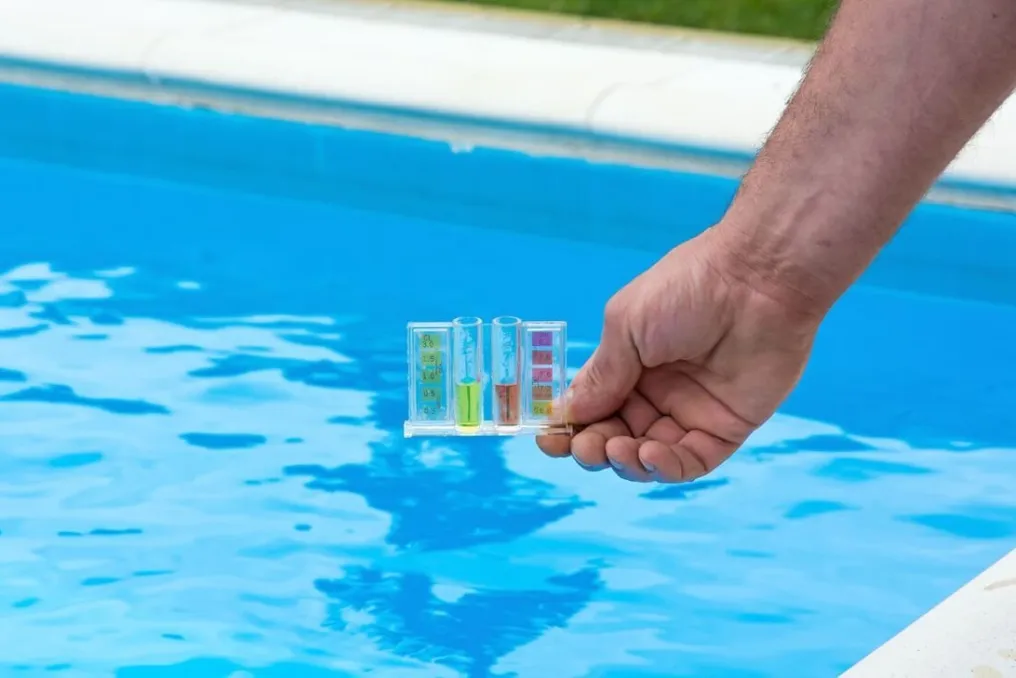
Reports have appeared on social media claiming that residents of Tashkent are suffering from mass cases of diarrhea, fever, and other symptoms after swimming in city pools. However, the municipal department for sanitary and epidemiological well-being and public health has denied these rumors.
According to the agency's data, all fifty-seven pools located in Tashkent are under continuous sanitary and epidemiological supervision. Monthly, specialists take water samples for analysis to ensure compliance with bacteriological and hygienic standards.
More than a thousand samples have been examined since the beginning of this year. Violations of sanitary norms were found in seven seasonal pools, resulting in the complete replacement of water in these facilities and subsequent cleaning and disinfection procedures for the structures themselves.
The administration also emphasized that currently, no cases of infectious diseases or poisoning linked to pool visits have been recorded, and the agency has not received any urgent notifications about such incidents.
City residents are advised to ignore unconfirmed information and rely solely on official sources. Furthermore, a state program is in effect in Uzbekistan that provides compensation to entrepreneurs for building modern pools, covering up to 50% of the costs, but not exceeding 100 million soms.
In the process of living together, couples form shared habits that can affect their brain health. A new large study on dementia suggests that spouses may share not only life but also brain health.
A publication in the Journal of the American Medical Association (JAMA) from July 20 revealed that people whose spouse developed dementia face a significantly higher risk of developing the condition themselves. However, researchers emphasize that dementia is not a contagious disease.
Instead, the results point to the profound influence of decades of shared routines, habits, stress, and caregiving on the formation of two brains over time. Health experts note that healthy aging is not just an individual journey but something that a couple should go through together.
Researchers in Taiwan analyzed medical records of nearly one million married adults participating in the country's National Health Insurance program between 1998 and 2022. The team tracked the fate of over 190,000 people whose spouses were diagnosed with dementia and compared them to more than 760,000 married adults whose partners did not have dementia.
Even after excluding variables such as age, income, and pre-existing conditions, the basic link remained undeniably strong. The data revealed a noticeable gender distribution of risk: women had a 74% higher risk if their husband was diagnosed, and men had a 69% higher risk if their wife was diagnosed. It is important to note that scientists stress that these figures do not mean that spouses 'catch' dementia, but rather highlight the deep impact of shared life.
Scientists have long known that couples often become more similar to each other. Previous studies have already shown that spouses tend to share risks of obesity, diabetes, cardiovascular disease, and stroke. This latest study suggests that dementia may be added to this growing list. This makes sense when considering daily life: partners often eat the same food, sleep under the same roof, experience similar financial pressures, breathe the same air, exercise together or not at all, and fall into routines that can last for decades. It turns out that brain health is heavily dependent on these daily choices.
Researchers call part of this phenomenon 'assortative mating'—the tendency for people to choose partners with similar levels of education, lifestyle, health-related behavioral traits, and socioeconomic status.
Perhaps the most significant finding is related not to shared habits, but to caregiving. When one partner develops dementia, the other often becomes their primary caregiver. According to the Population Reference Bureau, about a quarter of dementia patients rely primarily on their spouse for care. This role can bring emotional satisfaction, but it is also exhausting. Studies from the Family Care Alliance show that 30% to 40% of caregivers for dementia patients suffer from depression, chronic stress, or emotional burnout, while many neglect their own health.
Your relationship can become your most important habit for maintaining health. Sleep becomes interrupted, exercise drops off, personal medical appointments are postponed, friendships and hobbies disappear. This creates a tragic mirroring effect: out of deep love and devotion, the healthy partner can ultimately reflect the same isolation, chronic stress, and lack of sleep that make their own brain vulnerable. Scientists believe that this 'shared environment' helps explain why married couples often develop similar chronic illnesses later in life.
The Taiwanese study could not precisely determine the factors responsible for the increased risk of dementia, but researchers suggest that chronic stress, social isolation, sleep disturbance, reduced physical activity, and dietary changes are likely contributing factors. These findings carry both a warning and hope. If couples unconsciously share unhealthy habits, they can just as easily form healthy ones.
Experts advise viewing brain health as a shared life goal. Although precise biological triggers remain unknown, the study points to a significant and actionable conclusion: the risk of dementia is lower in couples with higher incomes or more children, suggesting that family and financial support acts as a protective buffer against caregiving burnout. Simple habits, such as exercising together, adhering to the Mediterranean diet rich in vegetables, whole grains, and healthy fats, ensuring quality sleep, maintaining social connections, controlling blood pressure and diabetes, and continuous intellectual development through learning and meaningful conversations, support healthier aging. The World Health Organization warns that dementia already affects over 57 million people worldwide, and a sharp increase in cases is expected as the population ages, making brain health protection even more crucial.