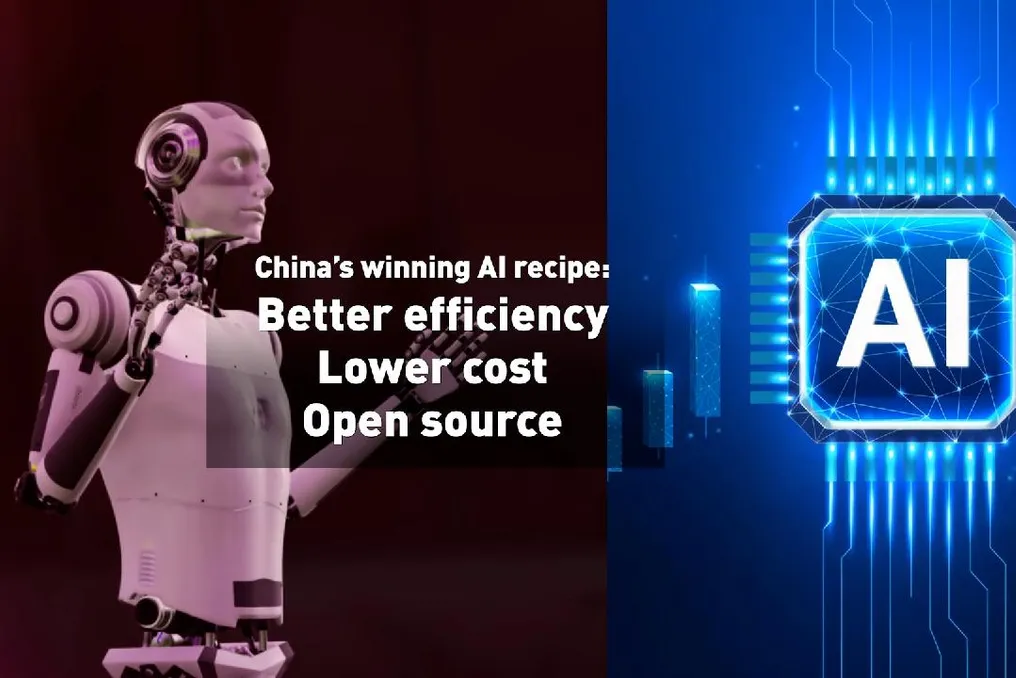
New trends in China's AI development were presented at the World Artificial Intelligence Conference (WAIC) and the High-Level Council on Global AI Governance, which opened in Shanghai on July 17, 2026. The country is demonstrating a transition from mere technological catch-up to building a complete ecosystem, and from participating in international rule-making to providing public goods for the entire world. This event has given a new impetus to the global development and regulation of AI.
Systemic Leap in the AI Sector
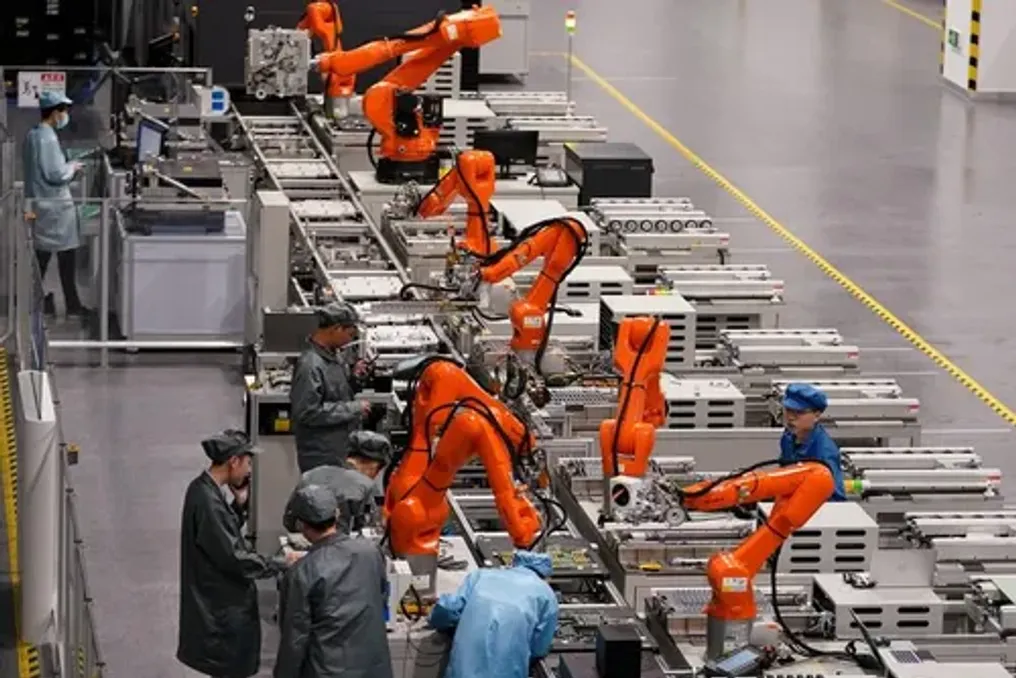
China's AI sector is evolving from isolated breakthroughs to systemic progress. China has built an innovative environment encompassing infrastructure, algorithms, computing power, and applications. The development of generative large language models continues, intelligent computing centers are actively expanding, and the 'AI Plus' initiative stimulates the deep integration of AI into fields such as manufacturing, healthcare, transportation, and energy.
Rich application scenarios serve as a testing ground for technological improvements, while the open industrial ecosystem accelerates innovation commercialization. This makes AI an increasingly important driver for shaping new qualitative productive forces and promoting high-quality development.
Shift in China's Role on the World Stage
China's technological paths, industrial ecosystems, and internal development models are transforming the country from a follower to a global benchmark, strengthening its position as a key hub in the global AI innovation network. China is shifting its focus from advocating governance principles to providing public goods. President Xi Jinping stated during a keynote speech at WAIC that China is always ready to provide international public goods related to AI and adheres to a human-centric approach to beneficial AI development.
From Sharing Results to Joint Capacity Building
China is expanding its activities from simply sharing achievements to joint capacity building. It is emphasized that AI should not remain a tool accessible only to a few nations but must become a common asset benefiting the residents of all countries. At the WAIC conference, China put forward a number of practical and multilateral proposals, including establishing cross-border research networks, joint training mechanisms for international specialists, and promoting inclusive AI solutions globally, with a particular focus on strengthening capacity in the Global South to reduce the digital divide.
The event was not only a review of China's achievements in AI but also a new strategic starting point for transforming global AI governance. In the future, China will continue to strengthen development through innovation, ensure security through regulations, and expand inclusive benefits through cooperation, working with all parties to promote healthy AI development, ensuring it is useful, safe, and fair.