The US Federal Reserve decided to keep the target range for federal funds rates unchanged at 3.5% – 3.75%. This decision was expected by the market and marks the fifth consecutive meeting of the Fed with a holding pattern policy.
The US Federal Reserve decided to keep the target range for federal funds rates unchanged at 3.5% – 3.75%. This decision was expected by the market and marks the fifth consecutive meeting of the Fed with a holding pattern policy.
Although the annual Consumer Price Index growth in the US fell to 3.5% in June (compared to 4.2% in May) due to falling oil prices, the country continues to face elevated inflationary pressure relative to the Fed's 2% target. The Federal Open Market Committee stated in a press release that inflation remains high relative to the committee's target, partly due to supply shocks that have driven up prices in certain sectors, including energy.
While nine members of the Federal Open Market Committee voted to maintain rates, three members from Dallas, Cleveland, and Minneapolis dissented, advocating for a 25 basis point hike. This was the first instance since 2016 where an FOMC decision resulted in three dissenting votes in one direction. This vote highlighted a growing internal division regarding whether the central bank is fighting inflation too slowly. Prior to the meeting, several Fed officials, including Fed Governor Christopher Waller, had voiced support for a tighter monetary policy should inflation persist.
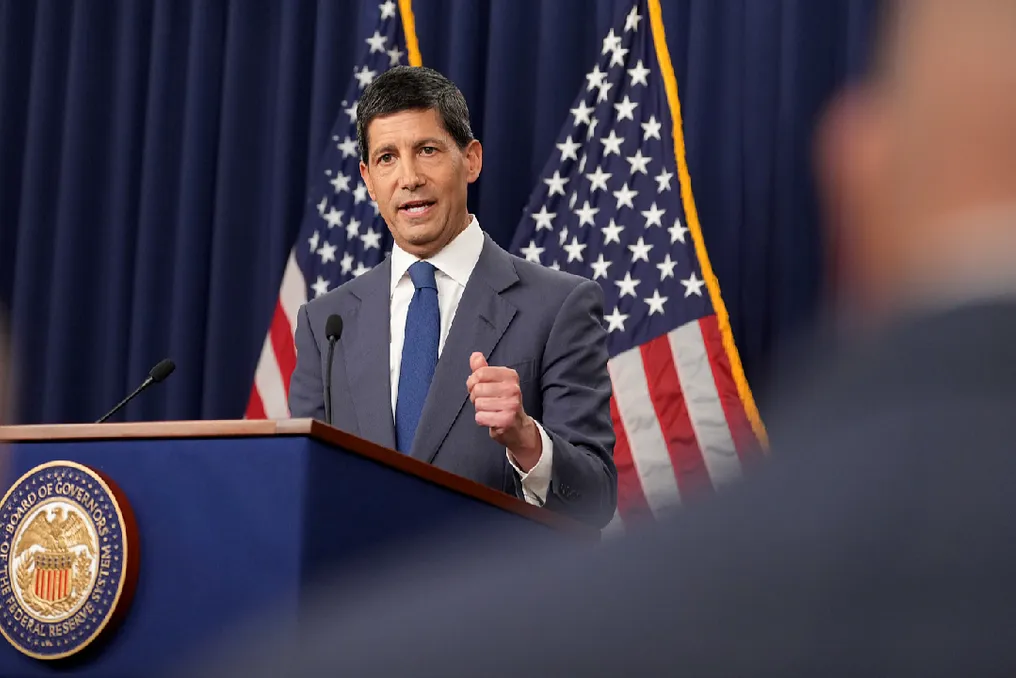
At the July meeting, which was the second under Kevin Warsh's chairmanship, he once again emphasized a firm stance on prices. During a recent Congressional hearing, he stated that the committee 'does not tolerate persistently high inflation.' After the decision, Warsh noted that he understands the committee's desire to provide forecasts and commentary, but they need to observe market reactions to events directly and unfiltered. He stressed that the committee's decisions are significant, and if necessary, they will not hesitate in their actions. Warsh also characterized the July decision as a 'careful review of the economic situation,' rather than 'any pause.' The Chairman has repeatedly stated his desire to avoid providing the market with information about the trajectory of monetary policy so that markets react to fundamental economic indicators, not to Fed talk.
Interest rate traders generally agree that the Fed will raise rates at least once more before the end of the year. According to CME FedWatch, futures contracts on Fed rates indicate a 90% probability that rates will be at least a quarter point higher by January 2027. Following the Fed's announcement, US stocks fell on Wednesday: the Dow Jones Industrial Average dropped by 2.19% to 51,594.14 points, the S&P 500 lost 1.52% to 7,316.15 points, and the Nasdaq Composite index fell by 1.74% to 24,442.94 points. Kay Haig, Global Head and CIO for Fixed Income and Liquidity Solutions at Goldman Sachs Asset Management, commented that the Fed appears to be losing patience regarding above-target inflation, despite recent weak data. She also suggested that the growing 'hawkish' sentiment of the committee, demonstrated by the three dissents against maintaining rates, was likely exacerbated by the recent escalation of hostilities in the Middle East.
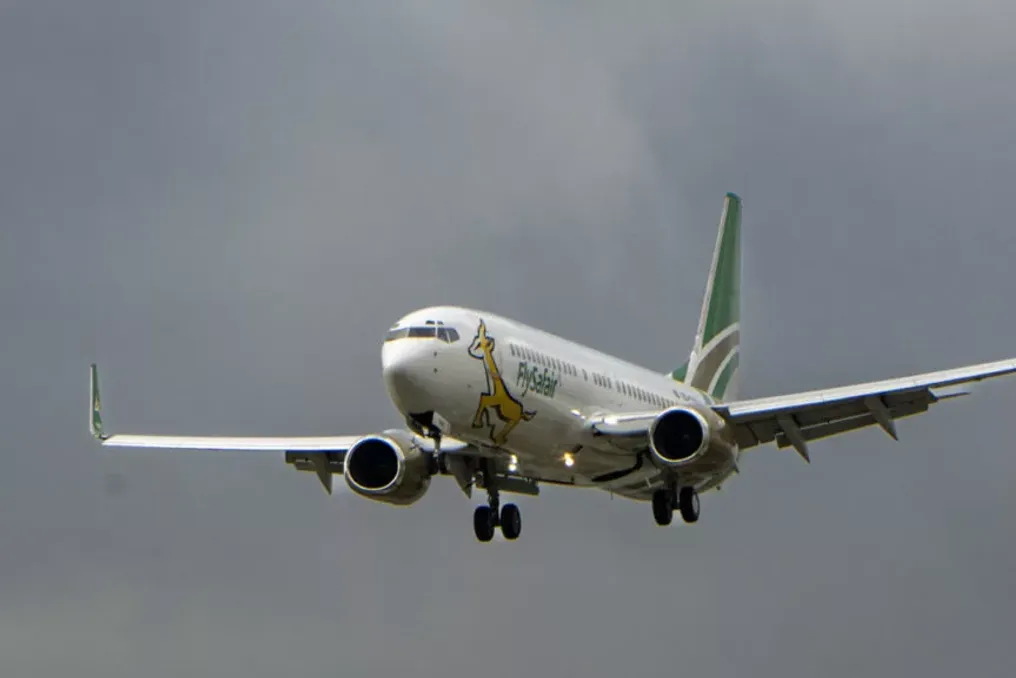
FlySafair is planning the next phase of its expansion, considering a range of new domestic and international destinations, with particular attention given to regions in Southern and Eastern Africa.
Kirby Gordon, FlySafair's Marketing Director, presented the airline's ambitions at a recent media roundtable. Among the routes under consideration is the expansion of the existing flight between Johannesburg and Harare, given the high demand. Gordon noted that the route to Zimbabwe currently provides about 8,000 seats weekly and shows good results since launch.
The possibility of opening a direct link between Johannesburg and Windhoek is also being studied. Although FlySafair already serves the Namibian capital from Cape Town, adding a connection from Gauteng could strengthen the company's regional network.
Potential additions to the list include flights to Lusaka (Zambia) and Nairobi (Kenya). Despite Gordon acknowledging Nairobi as a highly competitive market, it remains an attractive destination for this low-cost carrier.
Gordon also highlighted the future Cape Winelands airport as a significant development for South Africa's aviation sector. This R8 billion airport is under construction and undergoing environmental approval, although its opening is still several years away. Once operational, it could become an important alternative airport for diverting flights destined for Cape Town.
Currently, aircraft unable to land in Cape Town are forced to divert to airports such as Johannesburg or Durban, requiring them to carry extra reserve fuel for longer flights. Having a diversion airport closer to Cape Town can reduce operating costs and increase airline efficiency, while also generating revenue for the new airport through diversion agreements. Furthermore, the airport is expected to serve the rapidly growing Cape Winelands region, thereby strengthening the aviation infrastructure of the Western Cape.
Despite regional aspirations, Gordon emphasized that regulatory restrictions prevent the airline from operating flights exclusively between foreign countries; its international network must include South Africa either as a departure point or a destination. He also commented on the planned acquisition of FlySafair by Harith Aviation, which awaits approval from the Competition Tribunal and the South African Reserve Bank. Gordon stated that the deal should not lead to a significant influx of cash, describing Harith as a long-term investor focused on supporting the airline's continued growth.
In the long term, FlySafair is expected to receive Boeing 737 MAX 8 aircraft starting in 2028. Gordon clarified that these aircraft were ordered before the announcement of the proposed acquisition.
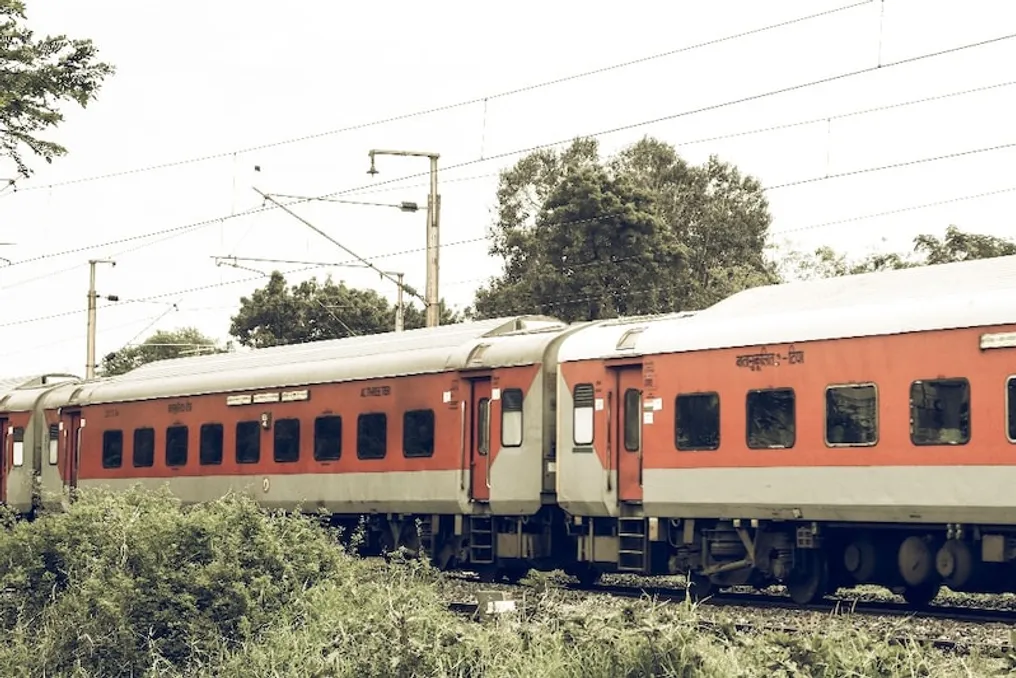
When booking train tickets, many passengers are issued an RAC ticket. In this case, they have to travel not in a full berth, but on half a seat. This often raises the question: why is the full fare charged if only partial comfort is provided? Indian Railways has provided an official answer to this question.
According to the railway, the RAC system was created to ensure passenger convenience. Its goal is to allow space vacated by cancelled or no-show passengers with confirmed tickets to be provided to passengers with RAC tickets. RAC stands for Reservation Against Cancellation. Under this system, the passenger is allowed to travel, but initially, a full berth is not allocated to them. Usually, two passengers with RAC tickets are provided a spot on one berth.
If the berth of a passenger with a confirmed ticket becomes vacant before or during the journey, the passenger with an RAC ticket is automatically allocated a full berth. Despite the initial provision of a shared spot, the full fare is charged. The railway asserts that the holder of an RAC ticket has the full right to travel in Sleeper or AC class coaches for which they have a ticket, and they are permitted to be on the train with a valid booked ticket, and there is a possibility of their seat being confirmed during the journey.
Nevertheless, if a passenger holding an RAC ticket does not wish to travel, they can cancel their ticket. In such cases, according to railway rules, a refund is issued to them.
Indian Railways constantly monitors passenger demand on trains. When necessary, additional coaches are used and special trains are organized to ensure the maximum number of seats for passengers. Specifically, special services are launched to handle increased traffic during festivals like Holi and summer vacations. Furthermore, during Durga Puja, Diwali, and Chhath, special trains are also operated, providing travel for millions of passengers. However, the railway does not limit itself only to special trains; it also adds extra coaches to regular consists.
According to statistical data, 872 additional coaches were continuously added to trains in the financial year 2023-24. As for the period 2024-25 (as of October 2024), 664 additional coaches have already been installed. The railway states that due to the growing number of passengers, the work to increase the number of coaches and launch special trains will continue in the future to provide as many people as possible with confirmed seats.
The South Korean stock market is experiencing a sharp decline following a period of significant growth. After the rally began in April 2025 and continued for about fourteen months, the market showed no downward trend. The main driver of this rise was the shares of the semiconductor and chip sectors, which brought huge profits to early investors.
SK hynix and Samsung played a significant role in the growth of the South Korean stock market. These two corporations account for about fifty percent of the South Korea's Kospi index. Over the past year, the shares of these companies provided investors with enormous returns. However, about a month ago, the situation changed drastically, and the South Korean market has been in a downtrend for 40 days.
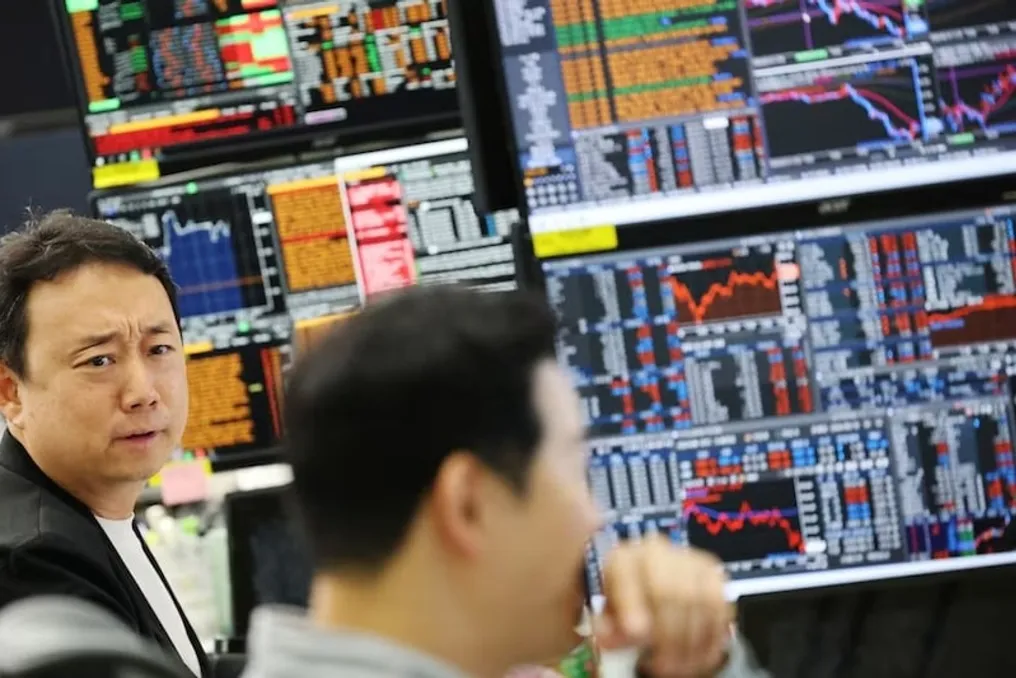
A mass sell-off in the semiconductor and chip segment led to a serious deterioration of the South Korean market. In just one month, the Kospi index fell by 35 percent. A drop of this magnitude inevitably causes panic among shareholders. This negative impact also extends to investors from India, as they invest in the Korean market through mutual funds and ETFs.
South Korea's main index, Kospi, continues to fall, dropping by more than 6000 points. Just a month ago, this index reached a peak of 9385.59 points, representing a loss of one-third of the market value. In the last five days alone, the South Korean market has lost over 20 percent of its value. Looking at individual stocks, Samsung's share price has fallen by 40 percent in a month, and the decline in SK hynix shares has been even more significant.
The continuous decline in the South Korean stock market has caused alarm among investors. Those who invested in chip and semiconductor stocks over the last two months have been particularly affected. The impact of this crisis is felt not only in South Korea but also in global markets. Stocks in the US and Taiwan are also susceptible to influence due to the semiconductor and chip sector. The Nasdaq is seeing a constant decline, and American semiconductor and chip stocks are also in poor shape, leading to a drop in the Nasdaq index of approximately 11 percent over the last month.
It should be noted that SK hynix Inc., a leading South Korean semiconductor manufacturer, demonstrated an impressive return of over 450 percent in a year. Samsung's shares generated about 285 percent profit during the same period. The high demand for High Bandwidth Memory (HBM) chips was driven by growing demand in artificial intelligence (AI) and data center infrastructure. SK hynix's record revenue and profit growth were linked to supplying HBM3/HBM3E chips to giants like Nvidia. However, the recent sharp drop has shocked investors. Previously, there was an influx of speculators into the South Korean market who invested all their savings, and now these people are experiencing the greatest regret due to the downturn. Experts note that it is currently impossible to predict at what level this decline will stop.