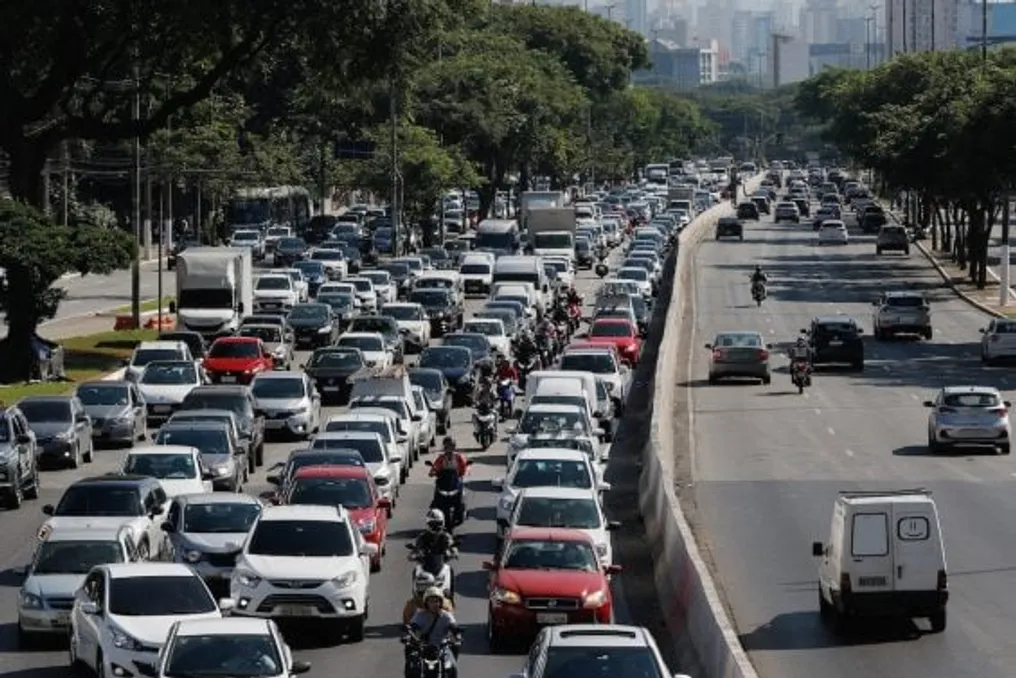
Long-term exposure to traffic noise is associated with an increased risk of developing Parkinson's disease. According to the results, the relative risk increased by three percent for every 11.5 decibel increase in noise level. Furthermore, quiet facades not facing the road demonstrated a protective effect by reducing this risk.
Mechanisms and background data
Parkinson's disease is the second most common neurodegenerative disorder worldwide. The pathogenesis of this condition involves mitochondrial dysfunction and oxidative stress in dopaminergic neurons of the basal ganglia, which provokes neuroinflammation and microglial activation. Some scientific data suggest that such processes may be triggered by external factors, including fine particulate air pollution and the recently proposed hypothesis regarding the negative impact of noise.
Experiments have shown that noise can activate the hypothalamic-adrenal axis, causing oxidative stress in various organs and systems, as well as promoting neuroinflammation. Nevertheless, epidemiological information on the link between noise and Parkinson's disease remained limited.
Cohort study in Denmark
A nationwide cohort study was conducted to examine the relationship between constant transport noise in residential buildings and the risk of developing Parkinson's disease. A research group led by Mette Sørensen from the Danish Cancer Institute modeled noise level data in the homes of all residents over 40 years old in Denmark between 1995 and 2015. The model took into account various traffic characteristics, such as road type, average annual daily traffic, vehicle type (heavy or light), and speed, while also considering noise barriers, terrain relief, and building shielding properties.
Noise level was determined as the A-weighted equivalent sound pressure level for daytime, evening, and nighttime periods, expressed in the standardized indicator LDEN. Two indicators were assessed for each address: LDEN-Max (on the noisiest facade) and LDEN-Min (on the least exposed).
Data analysis results
The total sample size of the study was 3,103,577 participants, with an average age of 50.9 years and an average follow-up period of 13 years, during which 20,587 people were diagnosed with Parkinson's disease. Both indicators, LDEN-Max and LDEN-Min, correlated with an increased risk of the disease in all analytical models. Even after accounting for socio-demographic factors, air pollution, and the presence of green spaces, the strength of this association decreased only partially.
Specifically, for LDEN-Max, the odds ratio was 1.03 for an increase of 11.5 decibels, whereas for LDEN-Min, the risk reached 1.04 with an increase of 8.9 decibels. When adjusting for the difference between loud and quiet facades, the risk for LDEN-Max increased to 1.06. However, the Sørensen team found that a ten-decibel difference between the loudest and quietest facade reduced the risk of developing the disease when the noise level exceeded 50 decibels. It was calculated that out of 1,468 annual cases of Parkinson's disease in Denmark, 67 cases were linked to high noise exposure.
Study conclusions
The authors concluded that long-term exposure to road noise increases the probability of developing Parkinson's disease, independent of factors such as air pollution, the presence of greenery, or socioeconomic status. Moreover, having a quiet facade apparently helps mitigate this risk. The data indicate the potential benefit of creating quiet environments in residential areas for the prevention of neurodegenerative disorders.