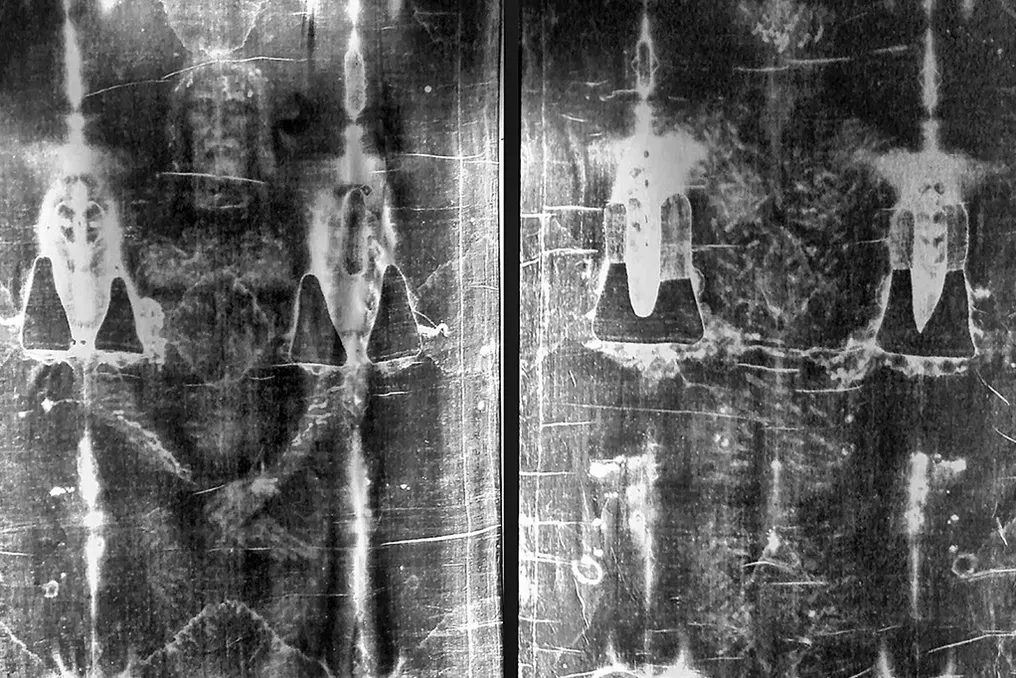
A genetic study conducted on the Shroud of Turin, also known as the Holy Shroud, demonstrated that the linen fabric, which bears the silhouette of a man, contains a complex mixture of biological signatures accumulated over the centuries.
Details of the Genetic Analysis
The Shroud of Turin is considered an artifact of great importance, as the Catholic Church believes it served as the burial shroud of Jesus Christ after the crucifixion. Scientifically, however, it remains under intense investigation. On July 9, a study was published in the journal Scientific Reports, presenting the results of a new genetic analysis using advanced genomic sequencing technologies.
Researchers from the Italian universities of Padua and Pavia, along with other institutions, examined a sample of the fabric collected in 1978. The research indicated that the genetic material present does not belong to a single person, but rather to a combination of biological elements.
Biological Composition Found
The analyzed fabric contains various lineages of human mitochondrial DNA, in addition to a microbiome composed of bacteria, fungi, and other microorganisms. A notable finding was the detection of traces of DNA from cultivated plant species, such as wheat, carrots, corn, and bananas. Furthermore, remnants of DNA from domestic animals, including cattle, pigs, chickens, dogs, and cats, and even from the Mediterranean red coral, a native species to the region, were found.
Contamination Hypotheses
Scientists suggest that these genetic traces from flora and fauna are consistent with contaminations that occurred in more recent periods, specifically not before the end of the Middle Ages. The authors raised the possibility that some of these biological exchanges may be linked to the travel periods of Marco Polo and Christopher Columbus.
Implications and Limitations of the Study
Gianni Barcaccia, one of the study's authors, explained in a statement that these genetic evidences complement existing historical, radiometric, and forensic data, providing molecular information about the dynamics of conservation and contamination. However, he emphasized the inherent limitation of metagenomic methodology: the analyzed DNA reflects the superposition of biological signals accumulated over time, requiring caution when attributing specific historical events or geographical origins.
Thus, due to the vast amount of distinct information, isolating the original human DNA from the fabric—which Christian tradition associates with Jesus—is considered practically unfeasible. This study did not determine the authenticity or age of the Shroud, but it opened a new area of investigation: tracing the long journey of the fabric before its preservation by the Church, considering that it was handled and transported by many people in various locations over the centuries.