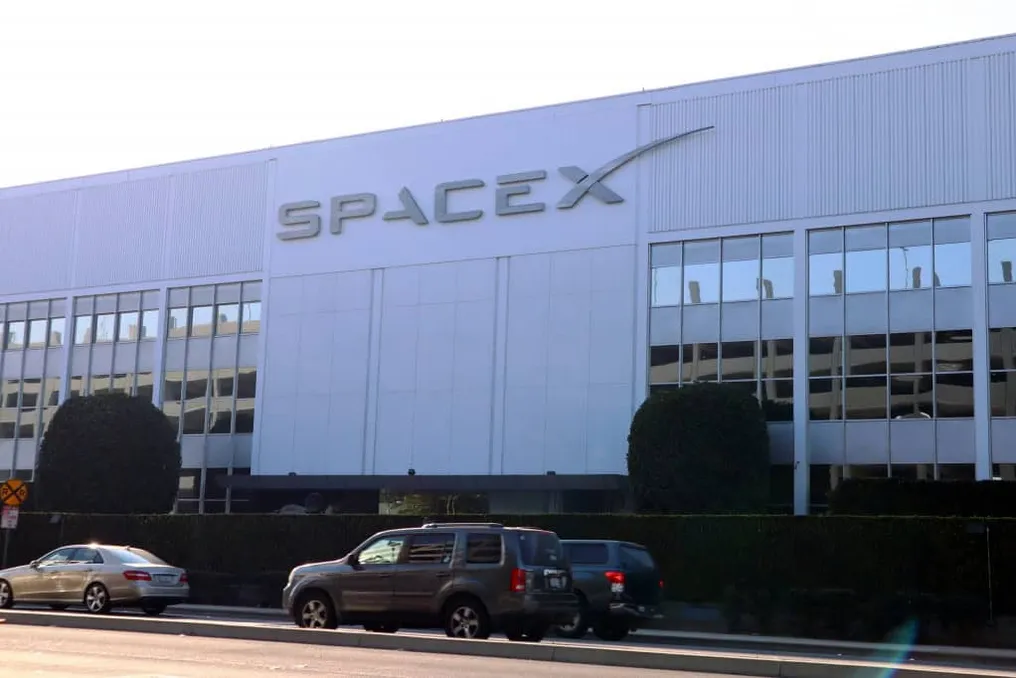

SpaceX has signed a new high-value contract with the United States Space Force, aiming to increase its contribution to the country's strategic defense programs. This agreement, announced on Wednesday (29th), totals US$ 1.6 billion (equivalent to R$ 8.2 billion) and stipulates the execution of 18 Falcon 9 rocket launches by 2027.
Objective of Military Missions
These missions will be dedicated to placing military satellites into orbit. Such satellites are designed for detection, tracking, and target guidance functions, which strengthens the space infrastructure employed by the U.S. Armed Forces.
Part of the Main Launch Program
The 18 launches were designated through two service orders inserted into the main launch procurement program of the U.S. Space Force. In this program, various companies, including SpaceX, United Launch Alliance (ULA), Blue Origin, and other aerospace industry companies, compete for contracts considered vital and high-value for the U.S. government.
According to the Space Force itself, the satellites will receive integration into the military tracking and target guidance system, enhancing the capacity to monitor aerial objects and consolidating national defense space infrastructure.
Expansion of SpaceX's Presence
This new contract solidifies SpaceX's position as one of the primary partners of the U.S. government in national security initiatives. This announcement comes shortly after another agreement established between Elon Musk's company and the Space Force. In May of this year, the company secured a contract worth US$ 2.29 billion (R$ 11.7 billion) to develop the Space Data Network (SDN) Backbone.
The SDN project aims to create a secure satellite communication network capable of interconnecting military sensors and globally distributed weapon systems through low Earth orbit satellites. The Space Force indicated that the SDN will enable continuous, fast, and secure information exchange between different military platforms, reducing reaction time during operations.
Currently, SpaceX already plays a relevant role in U.S. space strategy, utilizing the Starlink and Starshield constellations for military and governmental purposes. In recent years, Washington has significantly increased investments in defense space programs, with Congress approving billions of dollars to foster private participation and expand satellite communication capacity.
Alignment with the Golden Dome Project
The expansion of military satellite infrastructure also aligns with the directives of President Donald Trump's administration. At the beginning of his term, in January 2025, Trump signed a decree to boost the Golden Dome project, a national missile defense system focused on protecting the United States against ballistic, hypersonic, and cruise missile threats. In this scenario, the increase in the military satellite network is seen as an essential pillar for the system's operation, facilitating agile data sharing and improving the detection and response capabilities of the American Armed Forces.