The US Federal Reserve left interest rates unchanged on Wednesday. This decision raises new questions about how central bank head Kevin Warsh will fulfill his promise to return inflation to the target level of 2 percent.
Fed Decision and Disagreements
The expected decision to maintain the benchmark interest rate in the range of 3.50–3.75 percent met with disagreement from three out of twelve members of the Federal Open Market Committee (FOMC), who would prefer to raise the rate by a quarter percentage point at this meeting.
These same three members—the presidents of the Federal Reserve Banks in Cleveland, Dallas, and Minneapolis—had previously expressed dissent at Jerome Powell's last meeting as Fed Chair in late April, where they advocated for abandoning the implied promise of interest rate cuts.
Fed Chair's Stance
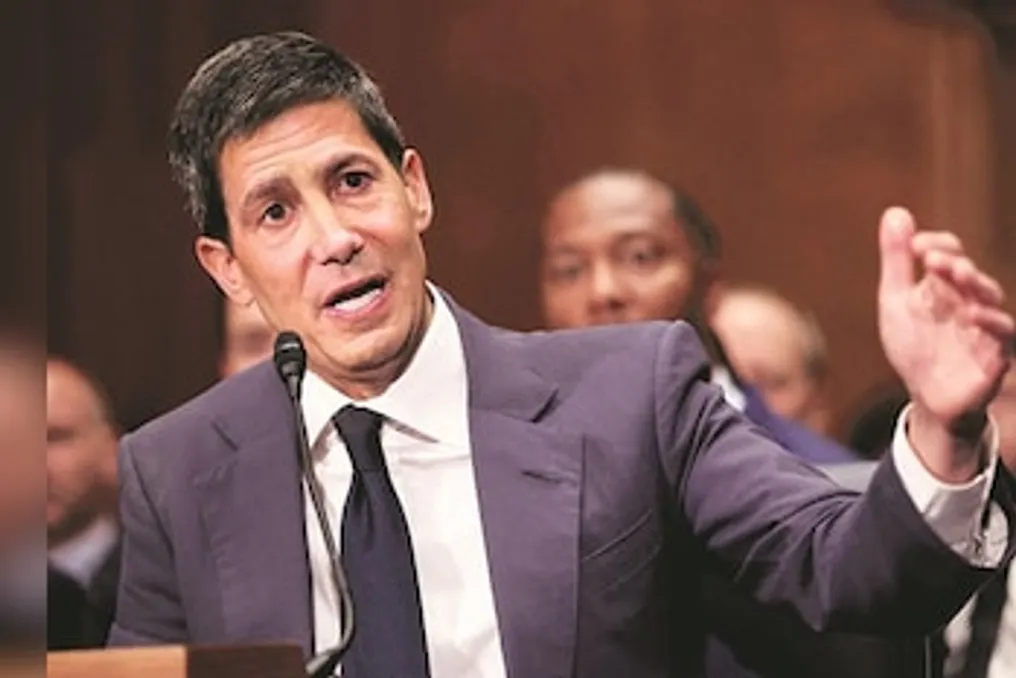
Warsh, who took office as Fed Chairman in May, stated that he 'does not tolerate' inflation exceeding the central bank's target of 2 percent for more than five years. Until last month, inflation had accelerated due to rising global fuel and food prices caused by the Middle East war, as well as increased demand stimulated by investments in data centers and other artificial intelligence (AI)-related expenditures.
Comments and Market Reaction
In a brief policy statement following the two-day Fed meeting, it noted that 'inflation remains elevated compared to the Committee's 2% target,' reiterating the assessment from the June 17 statement. Furthermore, the Fed reported that economic activity is 'expanding at a confident pace,' noting, as in June, that job growth 'is in line with the labor force, and the unemployment rate has changed slightly.'
Following the release of the statement, US stocks reduced losses, while US Treasury yields fell, and the dollar weakened against the currency basket.
Analysts' Forecasts
Omar Sharif, founder and president of the forecasting firm Inflation Insights, suggested that the FOMC should be expected to raise rates by 25 basis points in September, unless labor market data collapses or core inflation approaches 2% year-over-year, which he does not anticipate in July or August figures before the September FOMC meeting.
By keeping the policy rate unchanged at the level maintained since December, Fed representatives signaled that current borrowing costs create sufficient constraints in the economy to curb inflation, which is not expected to subside on its own, for example, due to the impact of tariffs on goods prices.
Warsh spoke little about the risk balance or the future path of interest rates, although he expressed the view that productivity growth driven by AI will allow the economy to grow faster without fueling inflation. Before this week, financial markets assessed the probability of a rate hike at about one in three, and almost 100 percent if no such move was made in September. By then, Fed officials will have two more monthly inflation and labor market reports, giving them a clearer picture of whether the easing of price pressures observed last month has continued.