
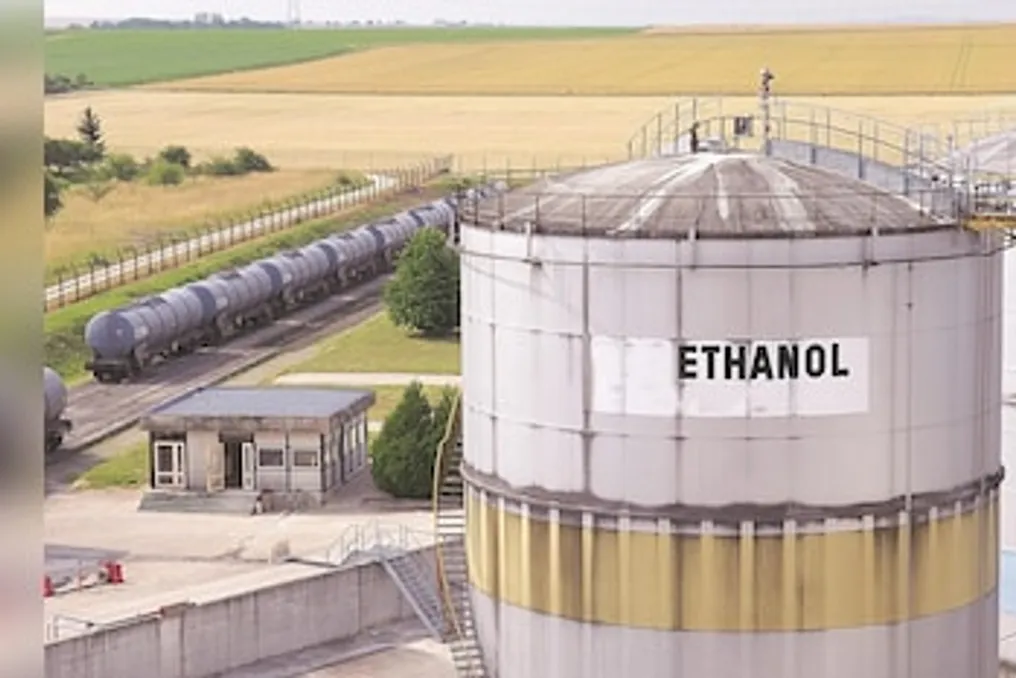
The government stated on Wednesday that using surplus broken rice for ethanol production does not impact the inflation of food commodities. Ethanol production is permitted only after ensuring sufficient buffer stocks and fulfilling the requirements set by the National Food Security Act (NFSA) and other social programs.
Rice Distribution Mechanism
In response to a question in Lok Sabha, the Minister of Food, Nimuben Jayantibhai Bambhaniya, explained that after maintaining buffer stocks and meeting needs under the NFSA, the government sells only surplus rice from the Central Pool under the Open Market Sale Scheme. These surpluses are then directed as raw material for ethanol production.
Use of Corn and Other Crops
Regarding the inclusion of corn as raw material for ethanol, the minister noted that this helped ensure a guaranteed market with higher prices for corn farmers. According to preliminary estimates for grain production in 2025–26, the projected volume of corn production in India will be 55 million tonnes, which is enough to meet the demand for ethanol production, poultry and cattle feed, as well as other needs.
The minister also reported that to maintain feed availability, the poultry feed industry uses other local ingredients such as rice husk, broken rice, bajra, and wheat waste.
Raw Material Usage Statistics
Furthermore, in her response, the minister indicated that during the 2024–25 ethanol production year, which concluded in November, approximately 13.1 million tonnes of corn was used for ethanol production, while the volume of surplus rice from the Food Corporation of India (FCI) was about 3.18 million tonnes. Recently, India has been producing ethanol from rice, corn, and sugarcane, with corn holding the largest share, surpassing sugarcane.