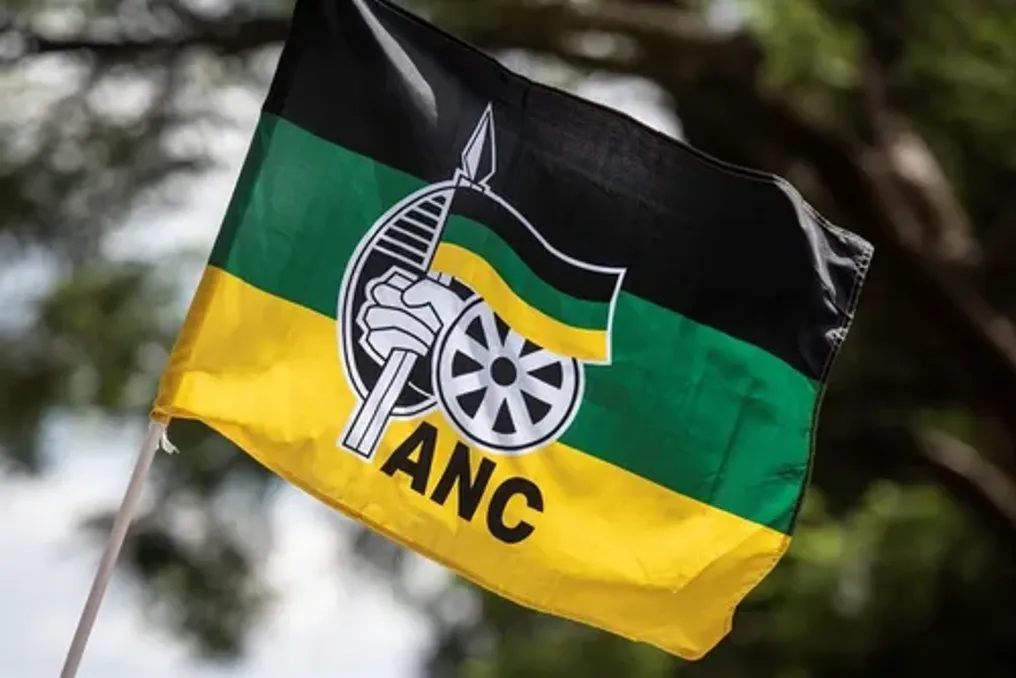
The ANC Speaker for KwaZulu-Natal, Sifiso Sondjika, believes that the decline in the party's electoral support in the KwaZulu-Natal province has intensified demands for organizational renewal and increased democratic accountability.
The necessity of reforms to restore trust
In his view, for the ruling party to regain public trust, strengthen its institutions, and maintain competitiveness in elections, ethical leadership, internal discipline, and decisive action against corruption are necessary.
KwaZulu-Natal holds a special place in South Africa's political landscape. Historically, this province was considered one of the most strategically important for the ANC, having contributed significantly to the liberation struggle and nurturing many influential leaders of the movement.
Contemporary political challenges
However, recent election results reflect a changing political climate characterized by increased political competition, declining voter confidence, organizational fragmentation, and growing public concern over governance and service delivery.
These events have sparked important discussions about the future of the ANC in the province and the necessary reforms to strengthen both the organization and democratic governance. The ANC's ability to acknowledge its shortcomings, implement internal changes, and update its organizational culture is a key indicator of democratic maturity.
ANC's problems in KwaZulu-Natal
In light of these circumstances, the ANC in KwaZulu-Natal is at a turning point where organizational renewal has become central to restoring institutional authority, strengthening internal democracy, and rebuilding public trust.
It is also crucial to remove individuals who position themselves as movement leaders without making substantial contributions to its values, organizational discipline, and developmental agenda. Such figures undermine voter confidence and weaken the authority of the liberation movement, which must effectively respond to the aspirations of South Africans.
Over the past decade, the ANC in KwaZulu-Natal has faced significant organizational difficulties. Academic studies point to factional competition, disputes among internal leaders, decreased functionality of local branches, organizational instability, and governance issues as primary factors influencing election results.
Like many ruling parties worldwide, the ANC faces increasing pressure in response to changing voter expectations regarding transparency, service delivery, economic integration, and ethical leadership. Internal disagreements often divert attention from policy implementation toward political intrigue, eroding public trust as citizens expect ruling parties to prioritize governance over internal power struggles.
Strengthening unity and adaptation
Therefore, strengthening organizational unity is essential for improving institutional effectiveness. Political renewal requires not only a change in leadership but also the restoration of an organizational culture based on accountability, discipline, competence, and community service.
This aligns with political science, which suggests that parties remain competitive in elections when they possess the capacity for institutional adaptation. Panebianco (1988) argues that successful political organizations survive through constant adaptation to changing political conditions while maintaining their organizational identity.
The ANC in KwaZulu-Natal has demonstrated institutional resilience through its willingness to reform internal structures, update leadership, and respond to evolving public expectations.
Self-correction as a sign of democracy
A key feature of a democratic organization is its ability to learn from failures and implement corrective measures. Within the ANC, recent reforms, including an increased focus on organizational integrity, membership vetting, leadership accountability, and discipline, can be seen as attempts to strengthen institutional authority.
These initiatives recognize that maintaining public trust requires continuous improvement, not just reliance on past achievements. A core aspect of organizational renewal is ensuring that leadership structures remain accountable to both members and communities.
Effective organizations require leaders who actively participate in the organization's work, maintain close ties with communities, and prioritize public service over personal advancement.
Legitimacy, responsibility, and integrity
Political legitimacy depends not only on electoral success but also on ethical leadership and institutional accountability. Leadership renewal requires political organizations to constantly assess whether those in positions of responsibility contribute positively to achieving organizational goals and public trust.
Many scholars argue that organizational effectiveness is enhanced when political parties consistently apply principles of accountability, regardless of an individual's political standing. This includes ensuring the effective operation of disciplinary mechanisms, clearly defining organizational duties, and appointing leaders based on competence, honesty, and commitment to public service.
Maintaining organizational integrity also requires openly confronting internal weaknesses. Although such processes are often complex, as they require balancing organizational unity with accountability, failing to address problems will inevitably erode public trust.
Restoring trust in KwaZulu-Natal
Public trust remains one of the most valuable assets available to democratic institutions. Citizens increasingly judge political parties by their ability to improve living conditions, expand economic opportunities, strengthen state institutions, and govern transparently.
Thus, restoring trust requires constant proof that organizational reforms lead to measurable improvements in governance and service delivery. KwaZulu-Natal continues to face significant development challenges, including unemployment, poverty, infrastructure deficits, crime, and youth exclusion from economic opportunities.
Solving these problems requires collaborative governance involving government, civil society, business, traditional leadership, and local communities. Therefore, political renewal should be viewed not merely as an internal organizational task, but as an opportunity to strengthen public participation and responsive governance.
It is equally important to improve the link between political institutions and citizens. Democratic accountability is enhanced when communities actively participate in policy discussions, and political organizations remain responsive to public concerns. Therefore, organizational renewal must promote greater transparency, consultation, and citizen engagement.
Conclusion and next steps
The ANC's current focus on organizational renewal represents a vital opportunity to strengthen internal democracy, enhance accountability, reinforce organizational discipline, and restore public trust. The success of these reforms will depend on their implementation, consistency, and ability to translate organizational changes into improved governance outcomes.
More broadly, the experience of KwaZulu-Natal underscores a fundamental democratic principle: political legitimacy is sustained not only by historical achievements but also by continuous institutional renewal, ethical leadership, responsiveness to citizens, and unwavering commitment to democratic accountability.
One outcome of the ANC's renewal process must be the departure of those who contributed to the organization's decline or continue to resist its reform agenda. The renewed ANC must implement comprehensive consequence management at all levels of the organization. Strong, functioning branches must emerge from this process of renewal and recovery. Individuals involved in corruption must not be part of the renewed ANC in KwaZulu-Natal.
Renewal and recovery are continuous processes that must continue until the movement is completely purged of those who joined it for personal gain rather than to serve the interests of the people. For this reason, the ANC must remain focused and avoid distractions. South Africans are discerning voters. They will recognize genuine reforms only through their consistent implementation, and only then will the organization have a chance to restore the public trust necessary to regain electoral support.