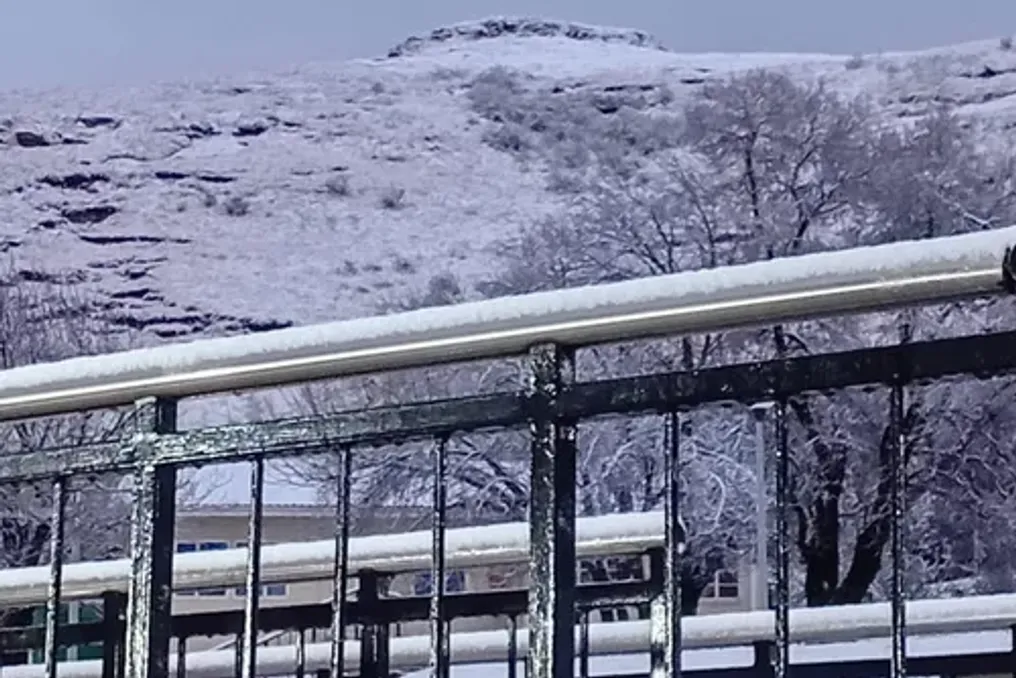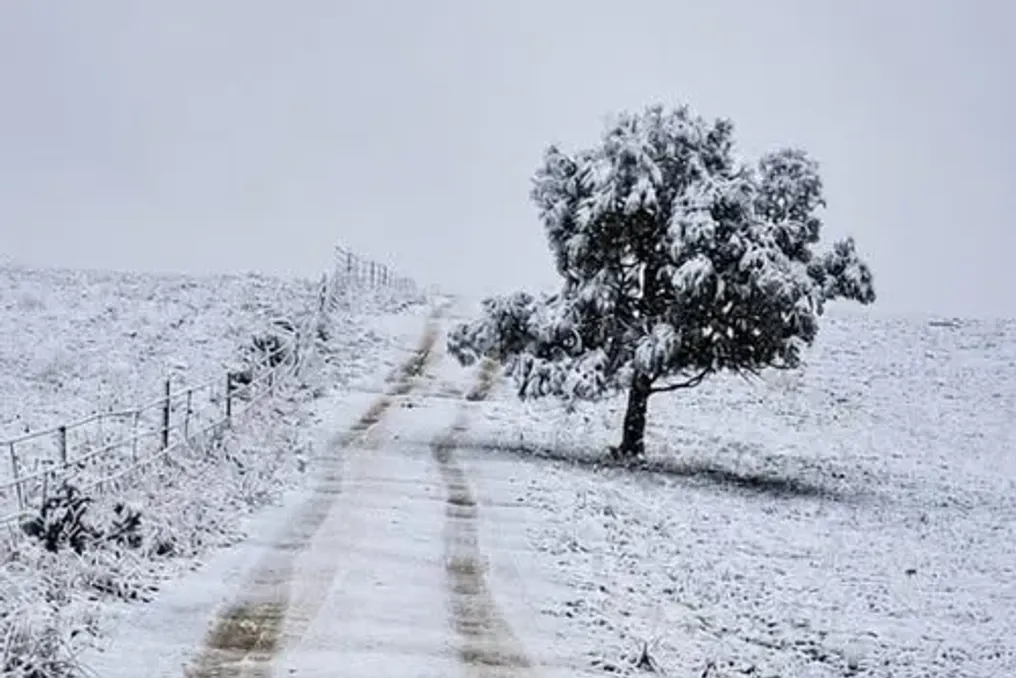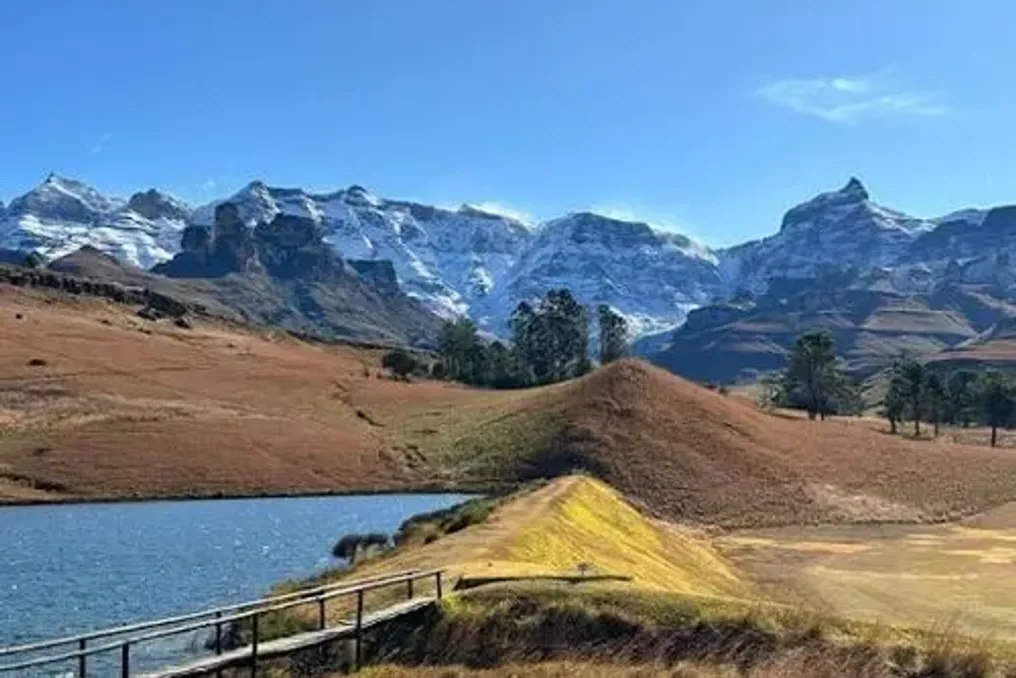
Snow has fallen in the Drakensberg mountains. Although the sight of snow in South Africa often generates enthusiasm, drawing thousands of car tourists to high mountain passes, local authorities and emergency services strongly urge visitors to refrain from chasing the snow while serious Level 6 weather warnings are in effect.
Risks associated with Level 6 warnings
The South African Weather Service (SAWS) predicts that heavy rainfall could cause flooding of bridges, roads, and settlements. This may also lead to damage to property and infrastructure along the coast and in adjacent inland areas between East London in the Eastern Cape and Cape Vidal in KwaZulu-Natal.
The Provincial Minister of Joint Management and Traditional Affairs, Reverend Tulasiidze Butelezi, stated that the province's disaster management teams are closely monitoring the developing weather system and are prepared to respond if necessary.
What Level 6 weather warnings mean
A Level 6 weather alert signifies a high risk of severe disruptions and potential danger to life. These intense winter fronts, caused by powerful isolated low-pressure systems, lower temperatures below zero while bringing snowfall, torrential rain, and icy winds to high-altitude areas. These regions include KwaZulu-Natal, the Eastern Cape highlands, the southern part of Free State, and areas around Lesotho. Despite the stunning photographs created by snowy mountains, harsh winter conditions make roads extremely dangerous.
Recommendations for safe travel
Those in South Africa or planning a trip through highland provinces during a storm warning are advised to follow these safety protocols.
Firstly, postpone non-essential trips. If a Level 5 or Level 6 warning is in effect on your planned route, it is safer to remain at your current accommodation than to risk an icy pass.
Secondly, regularly check official updates on road conditions and weather. Rely on verified sources such as SAWS for real-time warning data, N3 Toll Concession (N3TC) for traffic information on the Gauteng-KZN corridor, and provincial disaster management centers and official road services. Decisions should not be based solely on social media rumors.
Thirdly, prepare an emergency kit. If travel through winter zones is unavoidable, ensure your vehicle has blankets and extra warm clothing (gloves, hats, and insulated jackets). You must also have a supply of food, snacks, and bottled water, as well as fully charged mobile phones and power banks. It is important to have a first aid kit, a flashlight, and always keep the fuel tank full before entering rural or mountainous routes.
Finally, it is strictly forbidden to bypass road barriers. If passage is closed by police officers, SAPS, or local disaster management teams, do not attempt to find alternative dirt roads. Remember that unequipped secondary paths freeze faster, turn into impassable mud, and are often not monitored by emergency services. It is best to enjoy the rare winter beauty of South Africa safely. When severe weather hits, wait out the storm in a warm lodge or a nearby cozy town, allowing rescue services to keep the roads clear and safe for everyone.