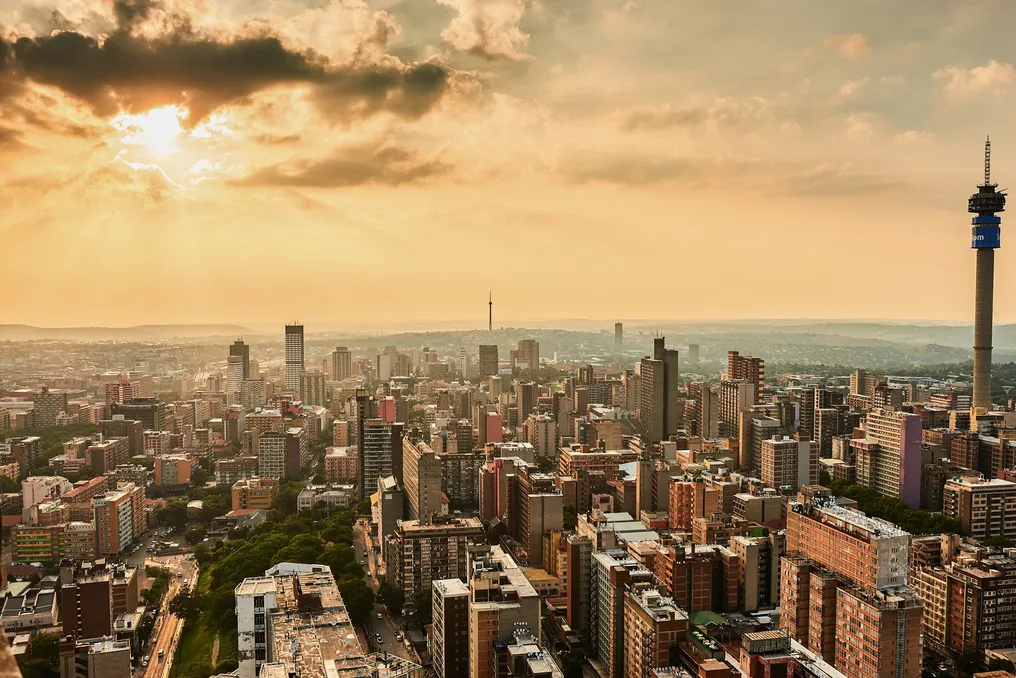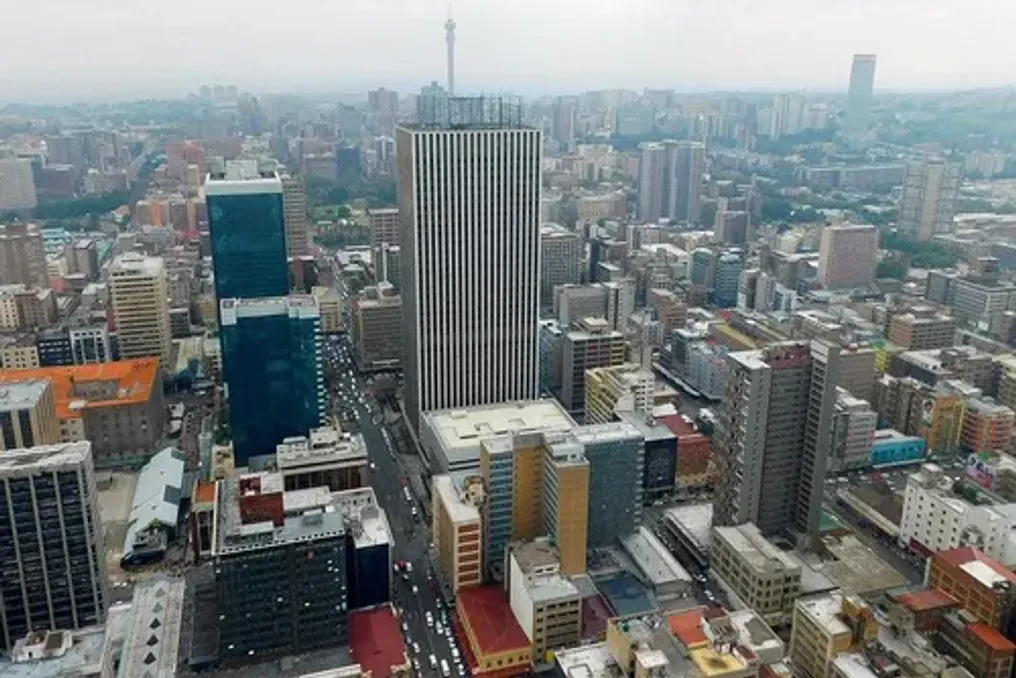
Commercial real estate in Johannesburg is valued approximately R196 billion below the Cape Town adjusted level. This conclusion is based on a new study conducted by Gmaven, a South African company specializing in commercial property data.
Comparison of Johannesburg and Cape Town Markets
William Harris, CEO of Gmaven, noted that although Johannesburg has long been considered a market with growth potential, the scale of this gap was not previously apparent. By comparing equivalent properties and completed deals, the company was able to quantify Johannesburg's discount relative to Cape Town and identify market segments that could contribute to value recovery.
The study relies on the Gmaven database and analyzes 25,700 properties in the two municipalities, along with 1,706 high-value commercial real estate transactions registered since 2020. Properties were matched by category, class, size, location, and, where necessary, retail sub-segment for comparison of similar assets.
Differences in Area and Value
Johannesburg has 54% more square meters of leased commercial space (44.9 million sq m) compared to Cape Town (29.2 million sq m). Despite this difference in area, Gmaven values both markets at approximately the same price: R376 billion for Johannesburg and R365 billion for Cape Town.
The largest discrepancy is observed in office spaces. According to Gmaven, office space in Johannesburg traded since 2020 at a weighted average price of R10,121 per square meter, whereas in Cape Town, this price was R20,524. The company cited a recent purchase of a Class A building in Sandton by Capitec bank, which acquired 21,946 square meters for R245 million, equivalent to R11,164 per square meter including parking. Gmaven estimates that constructing a similar building today would cost at least R28,000 per square meter, even before land costs.
Distribution of Discount and Impact of Conditions
The analysis covers offices, industrial premises, retail, and a special category including hotels, hospitals, educational institutions, and warehouses. The company notes that the discount is unevenly distributed: office real estate accounts for over 40% of the estimated R196 billion gap, while retail and other commercial assets contribute most to the remainder.
Industrial real estate, which is most frequently used by owners, has retained most of its value in Johannesburg. Gmaven asserts that the discrepancies indicate that local conditions, including municipal administration efficiency, influence asset value. Harris warns that the figure of R196 billion should not be viewed as guaranteed profit or an immediate forecast, but rather as the scale of potential value reassessment with improved municipal governance, which would help restore business confidence, tenant demand, investment, and development activity.
Additional Market Events
According to Gmaven estimates, a complete replacement of the existing commercial real estate stock in Johannesburg would cost approximately R857 billion, compared to its current market value of about R376 billion. Office and retail assets are trading significantly below replacement cost. Meanwhile, the Competition Tribunal approved a merger whereby Vukile Property Fund Ltd will gain full control of the Botshabelo shopping center from Liberty Group Ltd. This deal will add the public shopping center in Botshabelo, the largest town in Free State, to Vukile's retail portfolio. Vukile is a real estate investment trust listed on the Johannesburg Stock Exchange (JSE) and Namibian Stock Exchange (NSX), operating in South Africa and Spain.