According to analysts at the Atlantic Council, the bill on new sanctions against Russia is capable of influencing not only Moscow but also other major consumers of Russian energy resources.
According to analysts at the Atlantic Council, the bill on new sanctions against Russia is capable of influencing not only Moscow but also other major consumers of Russian energy resources.
The document provides for the introduction of an additional tariff of up to 100 percent for countries that continue to purchase Russian oil and gas. Experts believe that China, India, and Turkey, considered the largest importers of Russian oil, may suffer the most damage from this new law.
In this regard, India will have to actively seek alternative suppliers. It is expected that China will respond to the new restrictions with its own trade measures. This situation could potentially lead to a deterioration of relations with the United States.
Furthermore, the US initiative expands sanctions against Russia to the financial and energy sectors. Specialists note that the process of lifting these measures by the American administration in the future will become more complicated. At the same time, experts assess the inclusion of Iran in the bill only as a symbolic step, since Tehran is under broad sanctions control.
Experts emphasize that the effectiveness of the next initiative will depend not only on its adoption but also on how consistently Washington applies both the new and existing restrictions.
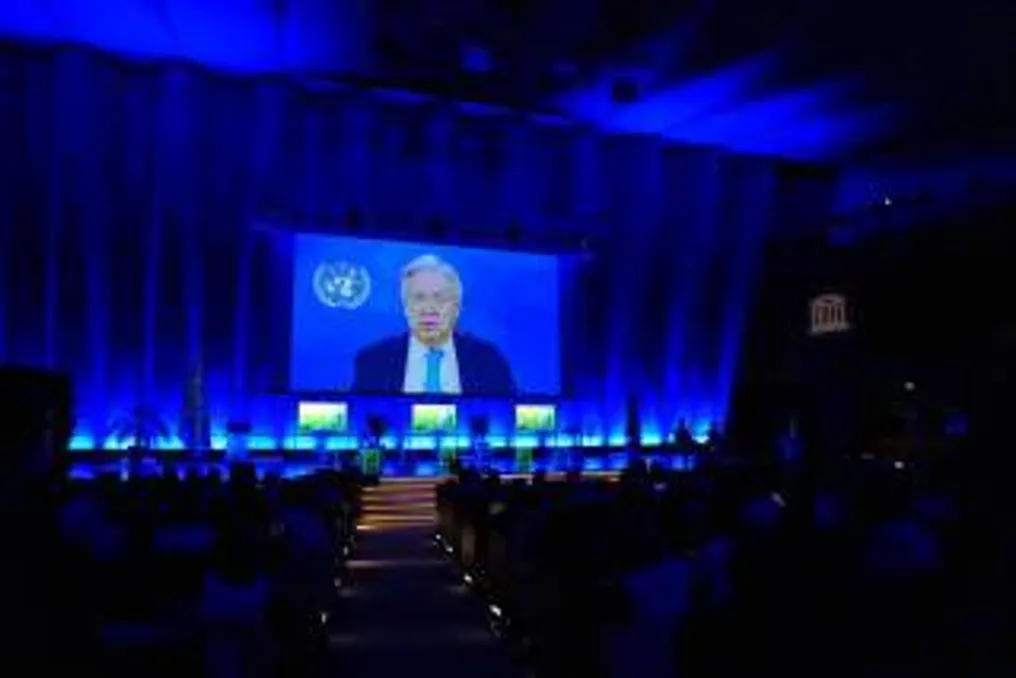
Uzbekistan's approach to uniting science and state policy was presented at the first Global Conference within the framework of the UNESCO Decade of International Sciences.
A thematic panel titled 'Translating Evidence into Priorities' was held at the UNESCO headquarters in Paris, France, as part of the first Global Forum of the Decade of International Sciences (2024–2033) for sustainable development. This panel discussed issues related to integrating scientific knowledge into state policy formation processes.
Professor Shahlo Turdiqulova, Vice President of the Academy of Sciences of the Republic of Uzbekistan, participated in the panel. Professor Turdiqulova presented her approach to forming modern scientific policy, based on harmonizing the national development priorities of the Republic of Uzbekistan with the scientific schedule. She emphasized that effective cooperation between science and the state must begin at the stage of defining the country's strategic goals, not after research results are obtained.
This approach allows for the development of scientific programs aimed at solving nationally significant problems and effectively applying scientific knowledge in practice. As an example, the practice of developing a new five-year strategy for the Academy of Sciences of the Republic of Uzbekistan was presented. According to this strategy, the scientific schedule is formed based on national development goals, and research is organized not according to traditional sectoral directions, but around complex national tasks such as food security, climate change, rational use of water resources, biotechnology, and environmental sustainability.
In response to the moderator's question about examples of successful implementation of scientific knowledge in state policy, Professor Shahlo Turdiqulova demonstrated Uzbekistan's experience in restoring the Aral Sea region. It was noted that scientific research formed the basis of the state program for land reclamation of the dried bed of the Aral Sea. Under this program, over one million hectares have been planted in recent years.
Uzbekistan's experience in promoting the environmental agenda internationally was also highlighted. Special emphasis was placed on the adoption of the UN General Assembly resolution recognizing the Aral Sea region as a zone of environmental innovation and technology, as well as the launch of the regional initiative 'Green Shield of Central Asia.'
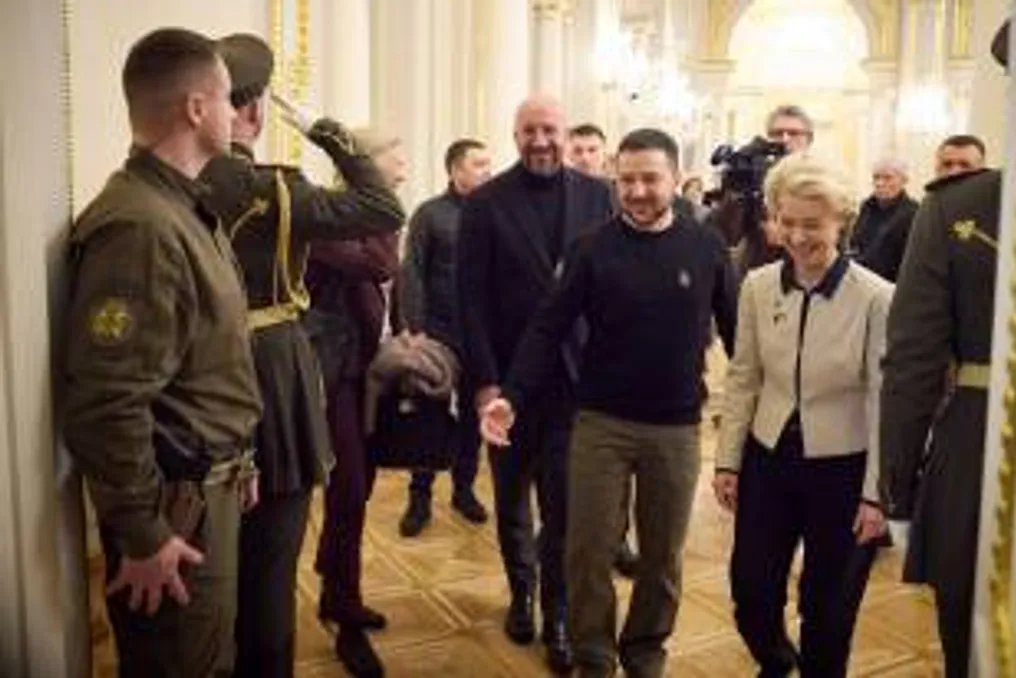
European Commission President Ursula von der Leyen visited Kyiv on a working trip to hold talks with Ukrainian President Volodymyr Zelenskyy. The main topics of the meeting included expanding cooperation in drone production and the country's accession process to the European Union.
Von der Leyen emphasized the changing situation on the front lines in Ukraine, stating that 'Ukraine has formed a powerful military momentum, and now the wind is blowing in our direction.' She also recalled the implementation of the EU's financial program amounting to 90 billion euros and announced new initiatives to deepen defense industry integration.
A central point of the negotiations was the signing of a new agreement regarding unmanned aerial vehicles. According to the document, some drones produced in Ukraine will be stored on European territory. This will allow Kyiv to expand its production capabilities, and European states to utilize technologies tested in the zone of hostilities in Ukraine.
During the visit, Ursula von der Leyen is scheduled to be awarded the 'Europe' order for her contribution to strengthening cooperation with Europe. Furthermore, she will participate in the Ukraine and Southeast Europe summit, where she will negotiate with the heads of state of Croatia, Moldova, and Romania.
The situation for Ukraine has changed significantly in recent months. Negotiations for membership in the European Union have accelerated, and the country has managed to open another cluster of negotiations. Brussels demonstrates a commitment to continuing this process through both military cooperation and technological integration.
NATO (North Atlantic Treaty Organization) is recognized as one of the largest military-political organizations in the world. This alliance was founded in 1949 and currently includes 32 states from Europe and North America.
NATO's primary task is to ensure the security of member countries based on the principle of collective defense. However, in recent years, changes in the international security landscape and increased global geopolitical competition have made the activities of this structure extremely relevant in international relations.
Fundamental questions are raised within the framework of the Alliance's activities, such as the original reasons for the creation of NATO, as well as mechanisms for guaranteeing security for participating states. Furthermore, important and timely topics discussed at the summit held in Ankara are highlighted.