The authors argue that Africa's long-term economic growth depends on investment in engineering skills, technology transfer, and the development of local production.
The Paradox of the African Economy
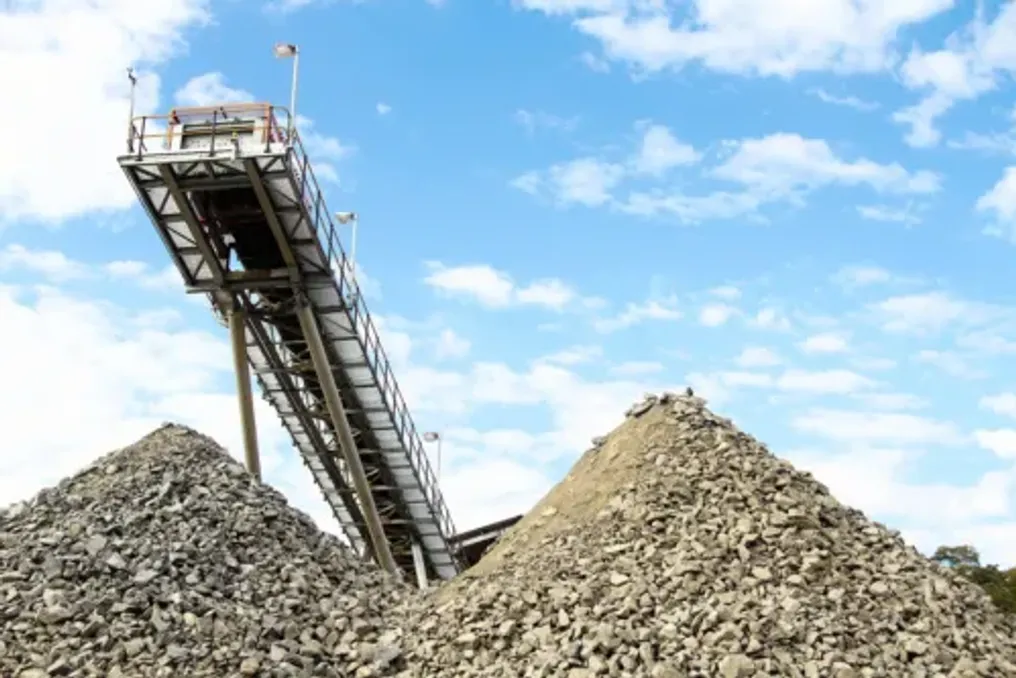
The continent possesses vast reserves of resources, including over 30% of global strategic minerals, 12% of oil, and 40% of gold. Nevertheless, Africa's contribution to global production volume is only 3%. This sharp contrast reflects an economic condition shaped by colonial dominance and exploitation.
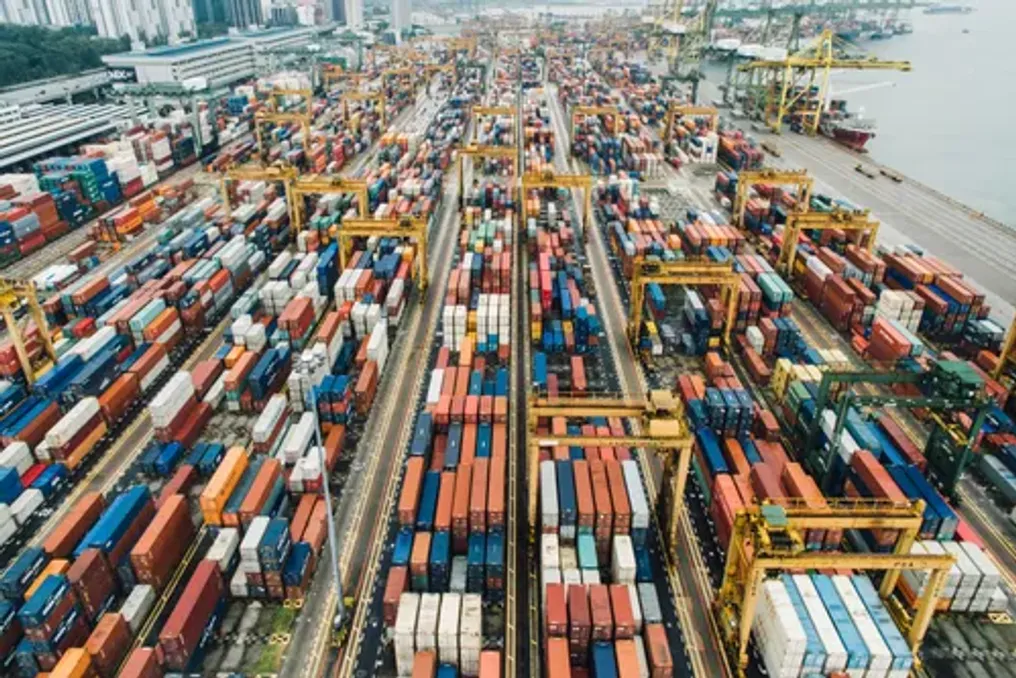
For decades, the continent's development models focused on securing foreign aid and exporting raw commodities. However, this has resulted in African economies being caught in an unequal global dynamic: they export low-value unprocessed raw materials only to import high-value finished products made from those same resources.
The Need for Technological Sovereignty
To break this cycle of external economic exploitation, Africa should abandon traditional 'soft' scientific diplomacy focused on academic mobility or the exchange of environmental data. Instead, it needs to adopt aggressive, transaction-oriented economic diplomacy aimed at directly acquiring, adapting, and sovereignly owning industrial technologies. The authors emphasize that true sovereignty is technological sovereignty, citing the Europeans' use of the Maxim gun to colonize Africa and the US atomic bomb to shape the post-war world order as examples.
Lessons from the East Asian Miracle
To demonstrate how state-led technology acquisition can dismantle structural dependence, the authors cite the transformations of South Korea and Taiwan in the mid-twentieth century. Both countries began their industrial journey with human capital and resource constraints similar to post-colonial African nations.
These developing nations did not rely on passive side effects of corporate Foreign Direct Investment (FDI). Instead, they used geopolitical leverage to actively purchase industrial licenses and blueprints. South Korea established the Korea Institute of Science and Technology (KIST) for systematic reverse engineering of imported equipment, while Taiwan utilized state institutions like the Industrial Technology Research Institute (ITRI) to master microelectronics and create giants like TSMC. In both cases, technology transfer was viewed not as a passive business option but as a critical national security imperative.
A Three-Tiered Action Strategy
To practically apply these lessons in modern Africa, interventions are required at three different levels of implementation.
Strategic Level (Long-Term Sovereignty)
High-level geopolitical relations must be revised to assert economic sovereignty. Access to minerals needed for Africa's green transition (such as lithium, cobalt, and nickel) must be diplomatically conditioned on foreign partners building local processing and refining infrastructure within Africa. A new paradigm of scientific diplomacy must primarily focus on demanding and securing a higher percentage of dividends from extractive sector foreign investors, rather than negotiating with donors and creditors. As Marcus Garvey rightly noted: 'The poor man's race will never be respected.' Simultaneously, the African Continental Free Trade Area (AfCFTA) must act as a unified shield against exploitative bilateral agreements.
Tactical Level (Medium-Term Policies)
Governments must focus on implementing strict 'local content' legislation that legally obligates multinational corporations to share proprietary software and train local engineers. This level also requires strengthening cross-border regional innovation hubs that pool capital, as well as active state funding for STEM education and technology incubators.
Technical/Operational Level (Immediate Implementation)
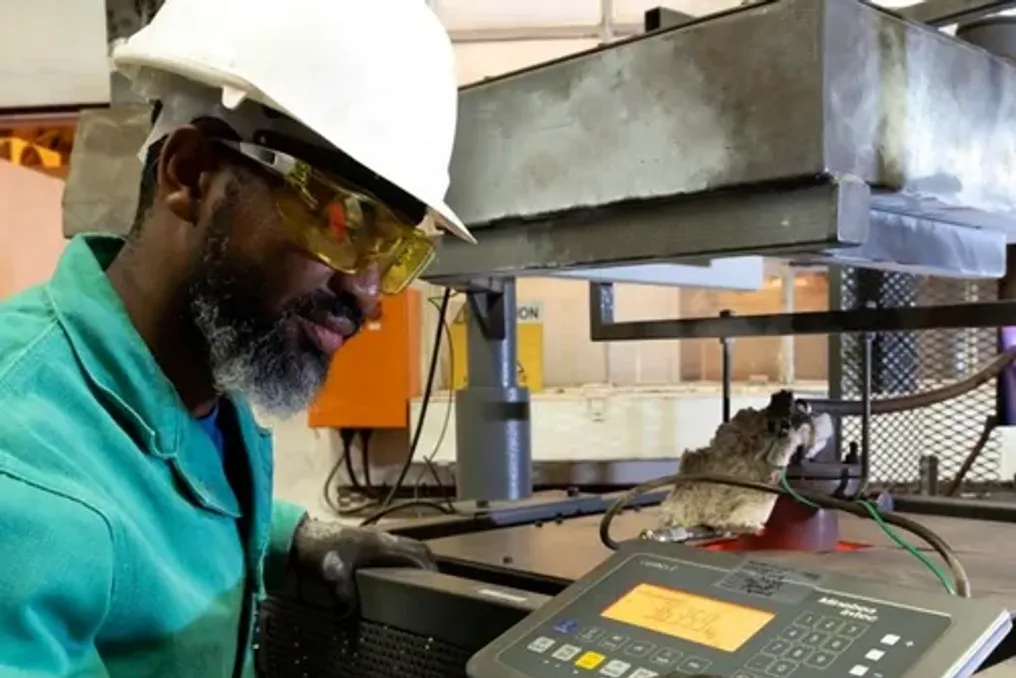
At the local level, African engineering units must cease functioning merely as consumers of foreign equipment, among other reforms. The local workforce must be trained to operate domestic factories, implement international quality certifications, and legally reverse engineer or adapt foreign tools to suit local climates and power grids.
Overcoming Multi-Level Obstacles
The path to industrial self-sufficiency will be difficult and fraught with uncertainties and structural barriers at three different geographical levels.
Globally, Africa's industrialization is penalized by asymmetric trade structures characterized by escalating tariffs, restrictive intellectual property monopolies under international patent law, and massive capital flight driven by multinational tax loopholes, including collusion regarding safe havens.
Regionally, fragmented transport networks and a severe lack of cross-border infrastructure significantly increase logistics costs, while slow customs bureaucracy hinders internal trade. Domestically, countries are paralyzed by the so-called 'resource curse,' where volatile but immediate revenues from raw commodities reduce incentives for long-term industrial planning. The situation is exacerbated by serious energy instability and a constant 'brain drain' of top scientific and engineering talent to global centers.
The Way Forward
This urgent shift from resource exploitation to resource sovereignty requires adopting 'Technology for Nature' mandates for all mining concessions, establishing a centralized Pan-African Fund for industrial innovation to acquire global patents, and creating well-funded domestic research campuses and incentives to attract emigrated scientific talent willing to donate for their homeland. Ultimate economic liberation is possible only through abandoning raw material exports and mastering the industrial tools that transform these materials into sovereign continental wealth. Africa must show courage and confront dangers with strength.
3.