MOST Holding and Allosta Partners organized a closed business meeting in Tashkent, which was attended by entrepreneur and investor Margulan Seisembay.
MOST Holding and Allosta Partners organized a closed business meeting in Tashkent, which was attended by entrepreneur and investor Margulan Seisembay.
The event took place on July 23 at the JW Marriott Hotel Tashkent and gathered 130 business owners, shareholders, investors, CEOs, and senior executives from leading companies in Uzbekistan and Central Asia.
The main focus of the meeting was on creating long-term value for businesses through systematic management and capitalization. Participants discussed how business owners can transition from operational management to building self-sufficient systems capable of autonomous development, as well as considering the importance of timely feedback for corporate growth and using investments not only to increase capital but also to ensure business sustainability in the long term.
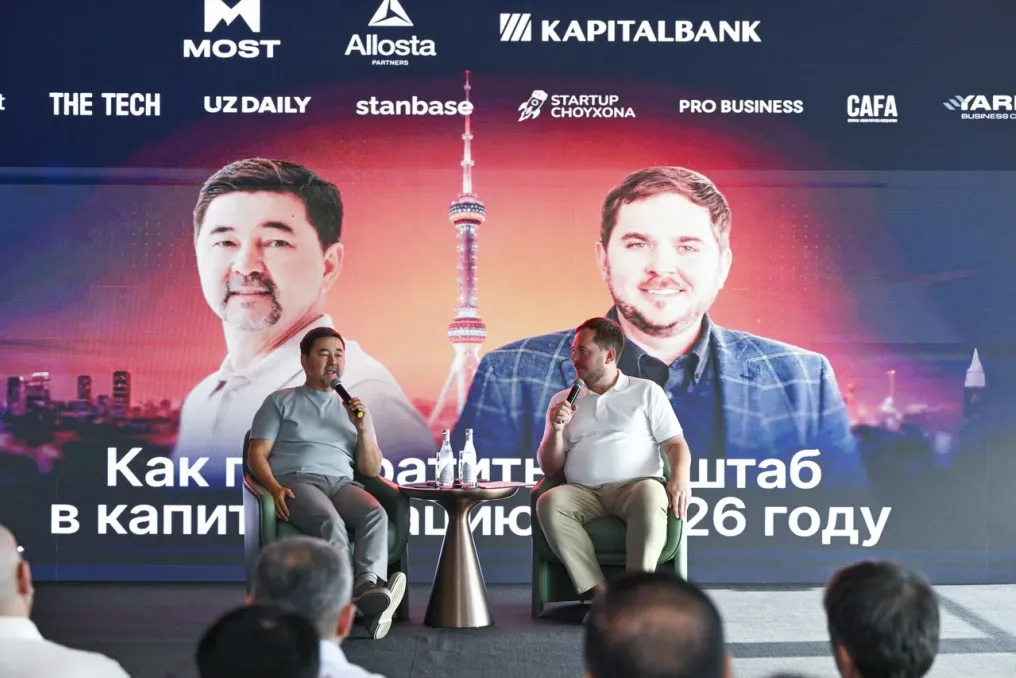
A key moment of the program was the open discussion between Margulan Seisembay and MOST Holding CEO Pavel Koktyshev on the topic 'How to turn scale into capitalization in 2026'. During the event, Seisembay presented Allosta Partners and spoke about special situations markets as a promising area for investment.
Furthermore, the program included a pitching session for participants of the Investment Readiness Accelerator Tashkent program. Projects presented included Onay OQU, Bigmart.uz, Screenix AI, ORDO Education, and Uspace.
The meeting concluded with a networking session where participants exchanged views on potential partnerships, joint projects, and investment opportunities. Kapitalbank served as the strategic partner of the event, which, according to the organizers, serves over 2.5 million retail clients and more than 100,000 companies and entrepreneurs, supporting the development of the country's business and entrepreneurial ecosystem.
The organizers emphasized that this event is part of MOST Holding's mission. For over 14 years, the company has been developing an ecosystem of investment and innovation for technological entrepreneurship in Central Asia through investments, educational, and international initiatives aimed at attracting capital, scaling businesses, and strengthening long-term ties in the region.
The regions of Tashkent and Turkistan signed an interregional agreement during the first meeting of the Council of Heads of Regions of the Republic of Uzbekistan and the Republic of Kazakhstan, which took place in Aktau.
The event was attended by the governor of the Tashkent region, Zoyir Mirzaev, who presented a report. Participants noted that this first meeting of the Council was a practical result of the good-neighborliness and mutually beneficial cooperation policy pursued by the President of Uzbekistan, Shavkat Mirziyoyev, and the President of Kazakhstan, Kassym-Jomart Tokayev.
Participants emphasized that the strategic partnership and allied relations between the two states have reached a qualitatively new level in recent years. Interregional interaction is actively expanding, covering trade, investment, industry, agriculture, transport and logistics, tourism, as well as cultural and humanitarian exchange.
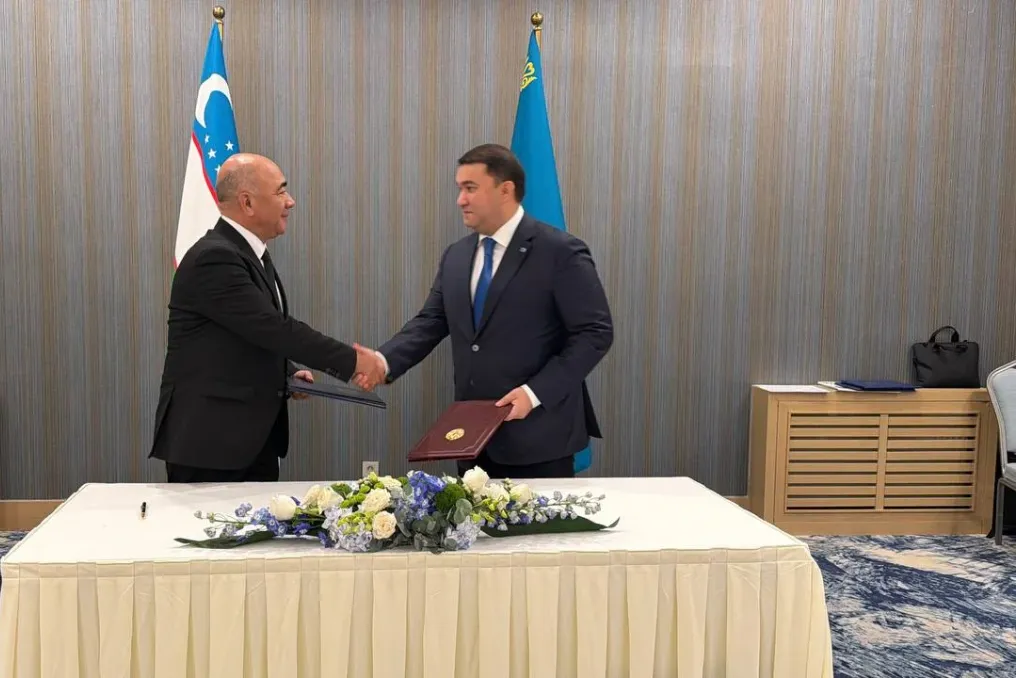
Within the framework of the forum, governors Zoyir Mirzaev and Nuralkhan Kusherov of the Turkistan region signed a document aimed at deepening interregional interaction. It was noted that the delegation from the Turkistan region had previously visited the Tashkent region, after which the parties reached agreements on a wide range of areas of cooperation.
The signed document provides for strengthening ties between the regions, implementing joint projects, developing contacts between business communities, and promoting the improvement of the population's well-being.
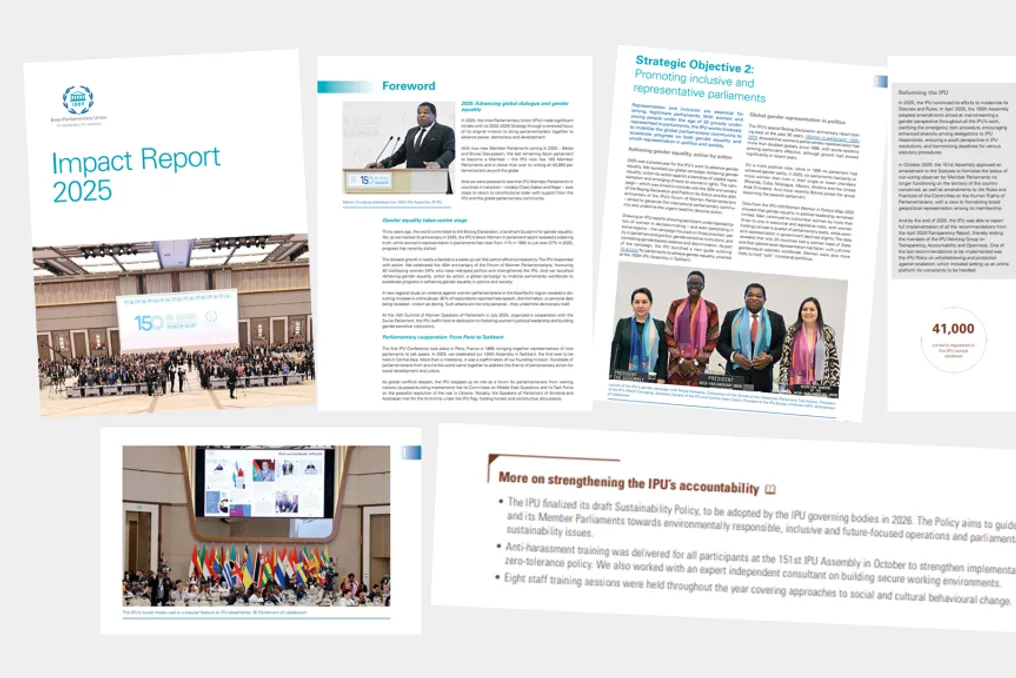
The Inter-Parliamentary Union (IPU) has included the experience of organizing the 150th anniversary Assembly in Tashkent in its list of best practices. This information is presented in the IPU's annual report for 2025, which was published in Geneva.
The 150th Assembly took place in Tashkent from April 5 to 9, 2025. This forum became the largest international parliamentary event in Central Asia and was held in this region for the first time. The organization's report emphasizes that holding the Assembly is part of a broader strategy to strengthen inter-parliamentary cooperation.
The analysis of the IPU's activities covered key areas of work and interaction with the parliaments of member countries. Special attention was paid to Uzbekistan's initiatives, which were demonstrated as effective models for other states. During 2025, the IPU organized 80 international events, including two Assemblies and 40 national programs for parliamentarians' professional development. Furthermore, the organization processed 1,027 appeals regarding violations of parliamentarians' rights, and its activities were covered by the media approximately 30,000 times.
One of the main focuses of the IPU's work in the previous year was strengthening the role of parliaments in solving global problems. Among the organization's priorities were areas such as increasing the representation of women and youth in politics, developing legal norms for artificial intelligence, combating disinformation, parliamentary oversight on climate change, developing parliamentary diplomacy, and enhancing the transparency and accountability of legislative bodies.
The Tashkent Assembly received special recognition in the IPU's report. The high quality of the event's preparation was noted, as well as the fact that Uzbekistan became the first country in Central Asia to host such an event. Positive evaluation was also given to the composition of participants: the share of female parliamentarians exceeded 37%, which is the highest figure since 2022.
The main result of the Assembly was the Tashkent Declaration. This document calls on parliaments to create new measures to reduce poverty, promote a democratic economy in the interests of vulnerable groups, and strengthen institutions capable of managing new technologies, including AI. In addition, the IPU report highlighted specific Uzbek initiatives, such as the IPU program '10 practical actions for achieving gender equality in parliaments,' as well as human rights seminars held in the country.
The adoption of a roadmap by the Senate of the Oliy Majlis, which synchronizes IPU decisions with Uzbekistan's national development agenda, was separately noted. IPU experts believe that the consistent application of the international forum's decisions at the national level contributed to the recognition of Uzbekistan's experience, and they believe that such a method can be useful for the parliaments of other countries.