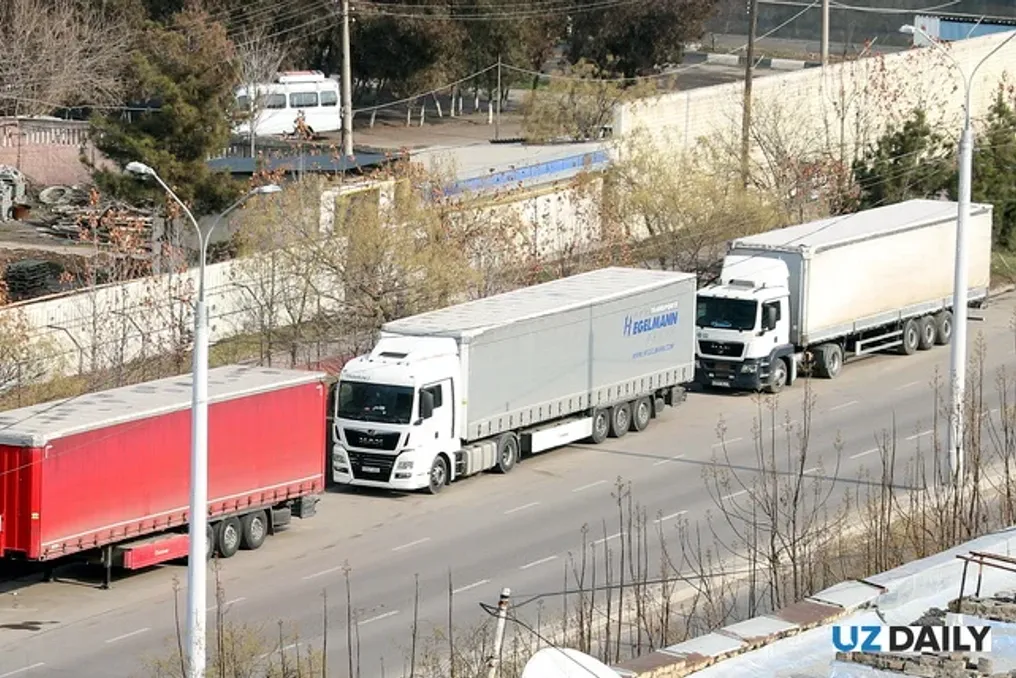
Uzbekistan has begun establishing new international transport and logistics corridors to ensure a stable supply of domestic products to the markets of Kuwait and Syria.
Uzbekistan has begun establishing new international transport and logistics corridors to ensure a stable supply of domestic products to the markets of Kuwait and Syria.
This initiative is being implemented by the Embassy of Uzbekistan, which is testing alternative delivery routes with the aim of increasing export opportunities for local producers.
One of the first results was the shipment of carpets produced by the Samarkand company YEC Gilam to Montreal House Wholesale Co in Kuwait via a new logistics route. According to the Turkish logistics operator Gulf Cargo, this corridor allows cargo to reach Kuwait within 15–20 days.
In parallel, Uzbekistan is studying the possibility of organizing supplies via transit through Iraq. Negotiations have taken place on this issue with representatives of the government and business circles of that country. The Ministry of Transport of Iraq has expressed readiness to conduct practical consultations with interested organizations from both countries.
Work is also continuing on developing the Syrian direction. Following the opening of the Trade House and Distribution Center of Uzbekistan in Aleppo in May of this year, new export contracts were signed. This led to the first shipment of Uzbek vegetable oil, detergents, and household appliances to Syria. Delivery via Turkey takes from 10 to 15 days.
It is expected that the new transport and logistics routes will ensure more stable and competitive supplies of Uzbek products to Middle Eastern markets, supporting the further growth of the country's export potential.
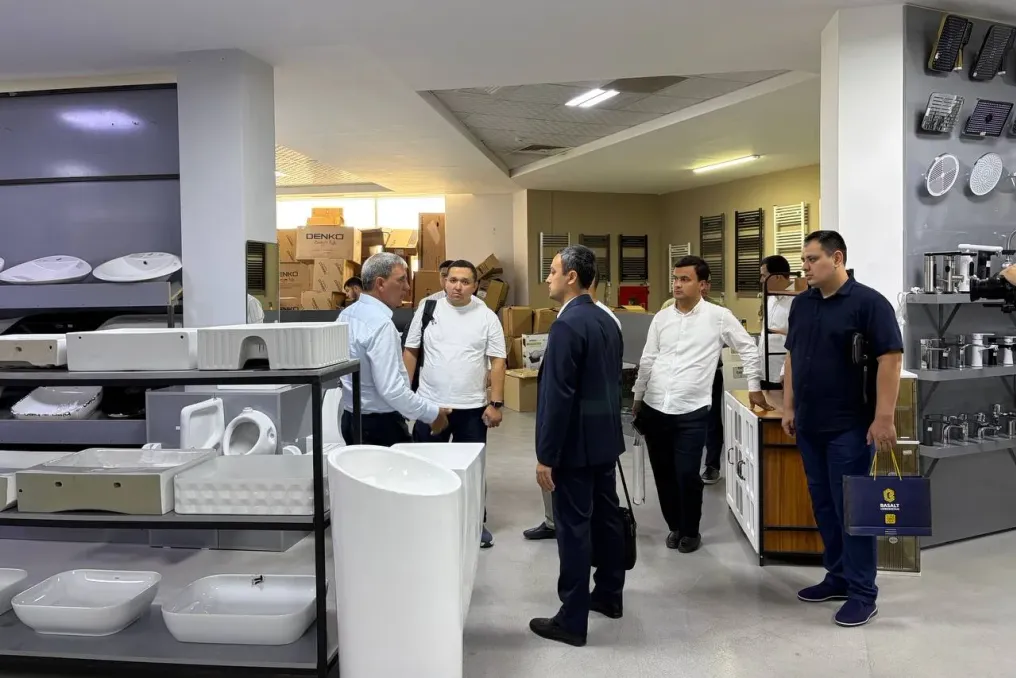
Uzbekistan organized a business mission for construction material producers to Turkmenistan with the aim of increasing exports and strengthening direct business ties between entrepreneurs of both countries.
The mission is being conducted under the leadership of the Uzkorilishmateriallari Association. In 2024, the volume of construction material exports from Uzbekistan to Turkmenistan amounted to 18 million US dollars, and in 2025, this figure increased to 24.2 million US dollars.
As part of the visit, Uzbek entrepreneurs are visiting construction and infrastructure sites in Ashgabat, studying the local market, and holding meetings with representatives of the industry business. Participation in the Uzbekistan–Turkmenistan business forum is also planned.
Representatives of Uzbek companies have already visited major construction markets and commercial complexes in Ashgabat and held a meeting with the management of the AK Gaya construction complex. The discussion focused on the possibilities of supplying Uzbek construction materials to Turkmenistan, expanding the product range, and establishing long-term trade relations.
The Uzbek delegation presented its production and export capabilities to its Turkmen partners, as well as provided information on product quality, prices, and delivery options for the Turkmen market. The main objectives of the business mission are to increase the export of construction materials, find new areas of cooperation, and expand trade ties between entrepreneurs of the two nations.
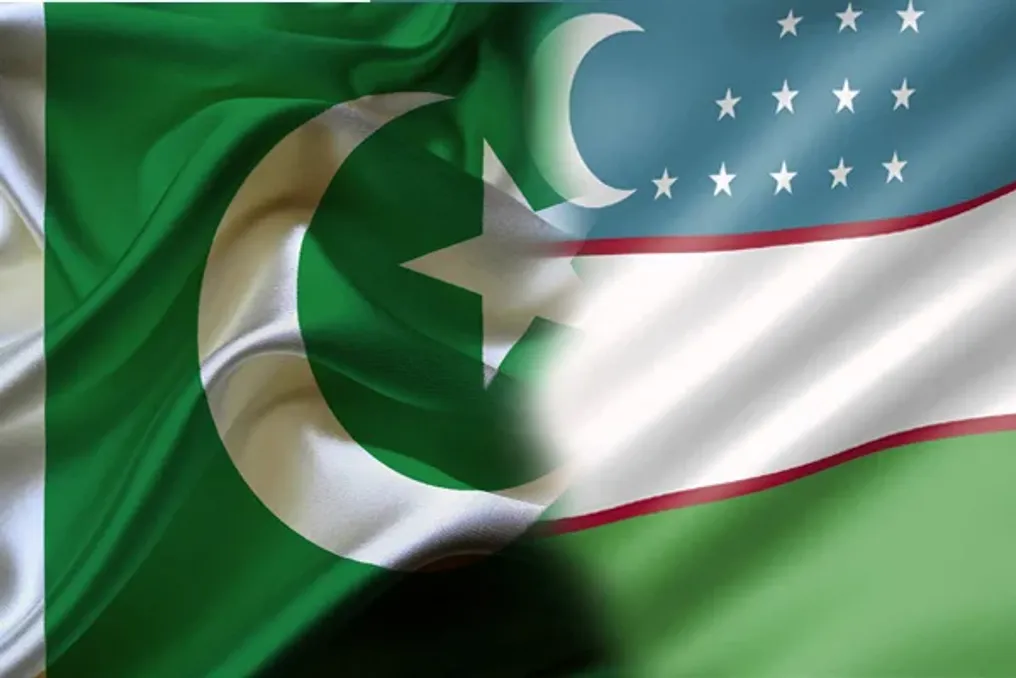
Uzbekistan and Pakistan have reached a preliminary agreement to include the transport corridor through China in their bilateral transit trade system.
According to information published by Pakistan Today, the relevant amendments are planned to be formalized during the upcoming visit of the Deputy Prime Minister of Uzbekistan to Pakistan. The parties intend to sign a protocol that will introduce changes and additions to the existing Agreement on Transit Trade Exchange between the two states. This document will officially establish the Chinese route in the list of permitted transport corridors.
Under the new plan, goods will move through the Sost dry port, cross western China, and then proceed to Central Asian countries. Pakistan Today reported that expanding the list of routes is intended to ensure the uninterrupted transportation of goods between the two countries amid changing regional security conditions. Once the changes come into force, Pakistan will be able to use the Chinese route to deliver goods to Central Asian countries, including Uzbekistan, while Uzbekistan retains access to Pakistani ports.
Previously, the shortest and most economically advantageous option was the route through Afghanistan, which formed the basis for the Uzbekistan-Afghanistan-Pakistan railway project. However, due to the deterioration of relations between Islamabad and Kabul and the closure of the Torgam and Chaman border crossings in October 2025, this transport corridor has effectively ceased to function. As an alternative, Pakistan developed routes through Iran and China. Nevertheless, difficulties in the Iranian direction reduced the attractiveness of this path, increasing the significance of the Chinese corridor for regional trade.
Although the route through China is longer and potentially more costly in terms of transportation, it is considered a strategic alternative. This allows the countries to diversify their freight transport and reduce dependence on a single route. According to Pakistan Today, bilateral trade between Pakistan and Uzbekistan reached $445.9 million in 2025. Pakistan's exports amounted to $120.9 million, while imports from Uzbekistan reached $325 million. Pakistan is Uzbekistan's second-largest trading partner in South Asia.
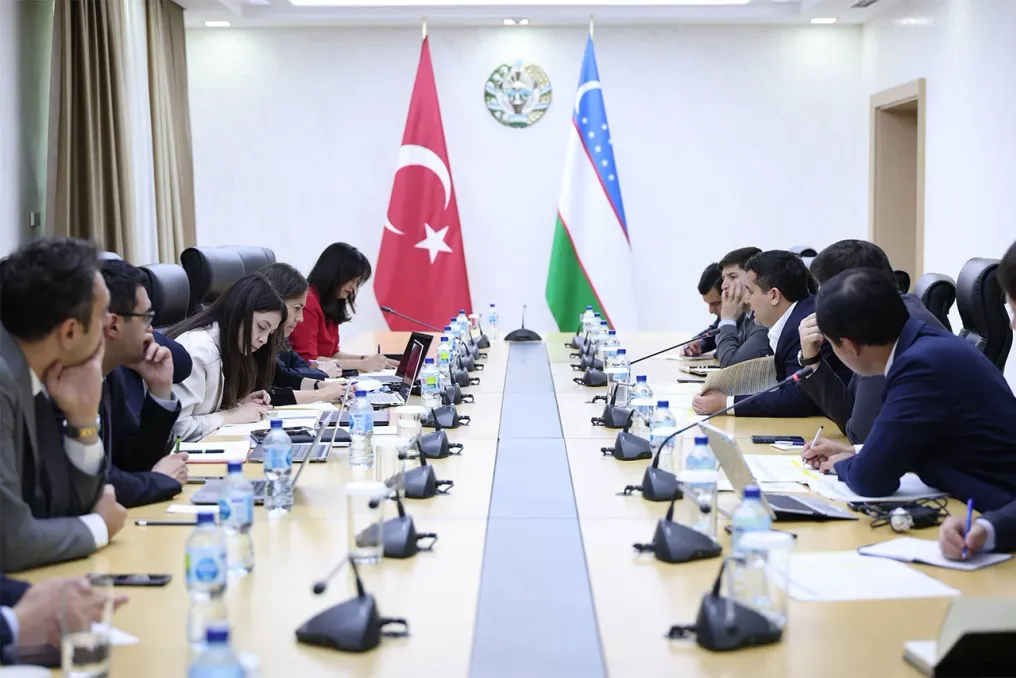
Uzbekistan and Turkey have reached an agreement to expand the list of goods that can benefit from a preferential trade regime. This decision was made following a meeting of the Working Group of Uzbekistan and Turkey on the preferential trade agreement.
During official meetings in Uzbekistan, a Turkish delegation led by Deputy Minister of Trade Mustafa Tuzcu visited the country. The co-chairs of the meeting were Akram Aliyev, Deputy Minister of Investment, Industry and Trade of Uzbekistan, and Mustafa Tuzcu.
During discussions, both sides focused on mutually expanding the range of products covered by the conditions of preferential trade. At the conclusion of the third round of negotiations, participants reached a common understanding on the main issues.
The meeting concluded with the signing of a protocol confirming the inclusion of additional categories of goods in the list eligible for the preferential regime, taking into account the interests of both countries.
Participants emphasized that the agreements reached should contribute to further stimulating bilateral trade, increasing export and import volumes, and supporting the goal of the two states to increase trade turnover to 5 billion US dollars.