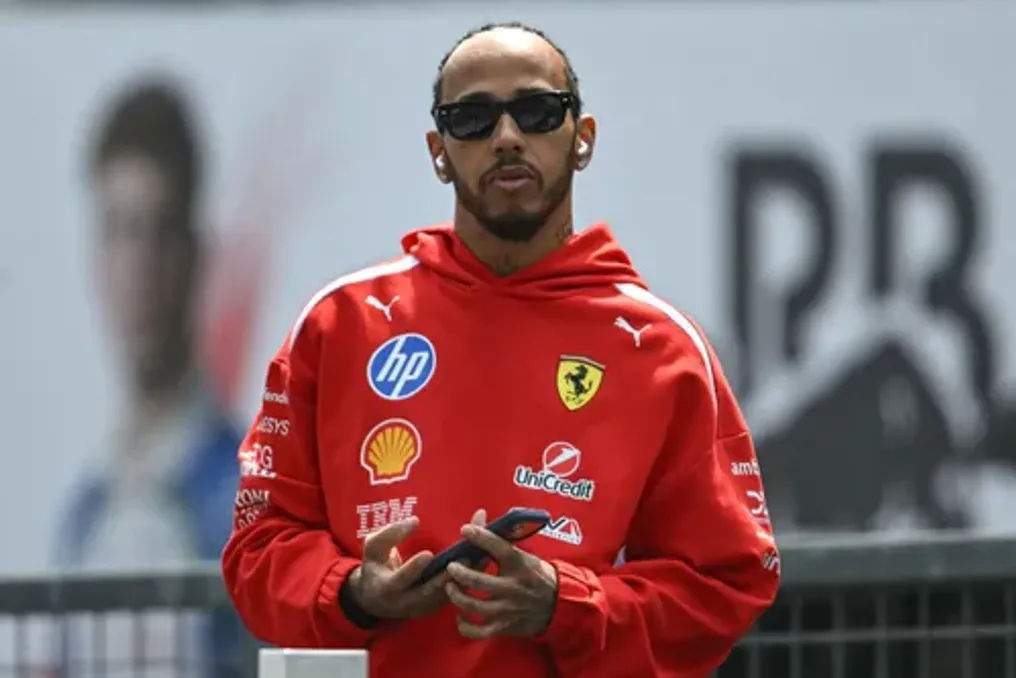
Following the Hungarian Grand Prix, serious questions have arisen regarding the Ferrari team's approach to Lewis Hamilton, triggered by a controversial decision made in the pit lane.
The Situation at the Hungarian Grand Prix
The seven-time world champion was confused by a questionable pit strategy in Budapest, which led to a loss of position on the track and ruined his chances of making the podium. Despite Hamilton demonstrating a strong race in Budapest—overtaking teammate Charles Leclerc and securing a spot on the front row next to Lando Norris—it seemed he was poised to win another important podium finish.
After difficult stages in Austria and Belgium, Hungary was viewed as a race where Hamilton would finally begin asserting his dominance at Ferrari. However, everything changed during the Virtual Safety Car period. Ferrari called Hamilton into the pits while several rivals remained on the track, instantly causing him to lose positions.
Team Reaction and Explanations
Instead of fighting for a podium spot, Hamilton found himself behind Max Verstappen and Kim Antinelli, and his day race effectively disintegrated. The Brit was as perplexed as others. After the race, he admitted: 'I'm not entirely sure why we stopped. The tires felt good, and I thought we could stay out on track.'
This was not an emotional outburst, but a measured assessment from a driver who has won over one hundred Grands Prix and knows how to analyze races as they develop. Hamilton believed that Ferrari chose the safer option, whereas a bolder approach could have brought much greater reward. He noted that past unsuccessful decisions by Ferrari last season, which cost them points, might manifest in the current campaign.
Questions About Team Support
Hamilton's confusion intensified when Ferrari explained that leaving him on the track could have harmed Leclerc's race. This justification inevitably raises an awkward question: why should a driver who is rightfully ahead sacrifice his own result for the benefit of a teammate? Although Hamilton refrained from accusations of favoritism, his words hinted at disappointment. He stated: 'I thought staying out on track would be the best decision. I genuinely don't understand the logic behind it.'
If viewed in isolation, Budapest might just be another strategic miscalculation, as Ferrari has made many such errors over the years. However, looking at the bigger picture, the questions become harder to ignore. Hamilton regained the speed that attracted Ferrari; he beat Leclerc at crucial moments and was on track to strengthen his position in the team. Instead, the pit decision shifted the momentum away from him.
Ferrari insists on equal treatment for both drivers, and there is no concrete evidence to the contrary. Nevertheless, Formula 1 is a sport where perception is often shaped by decisions made in fractions of a second. For Hamilton, Hungary was not just a lost podium; it was a feeling that the team did not support a driver who deserved a stronger position.