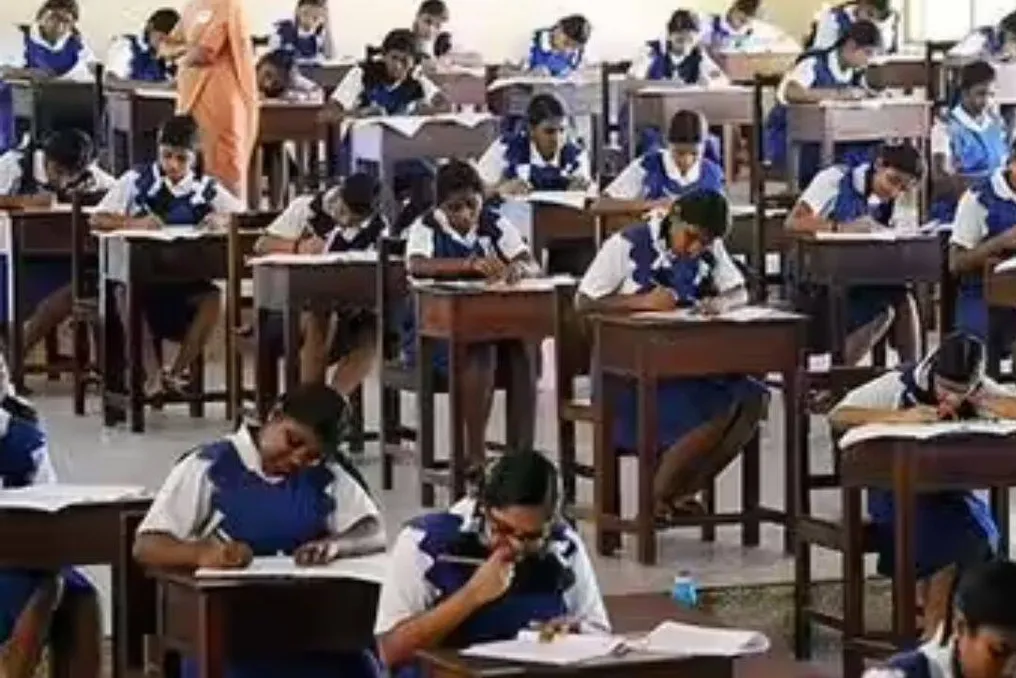
According to government data, over one hundred thousand educational institutions function in India where only one teacher is employed. Furthermore, the state of Andhra Pradesh leads in this metric, boasting more than 16,000 such schools.
Scale of the Education Problem
The overall situation demonstrates serious gaps in staff distribution, even though the national student-teacher ratio remains within established norms. According to UDISE+ for the period 2025-26, 100,843 schools with a single teacher were registered across all management categories in India.
Leaders in School Count
Andhra Pradesh tops the ranking with 16,357 such schools, accounting for over 16% of the total nationwide. Following them are Jharkhand with 9,827 schools and Maharashtra with 9,269. The states of Karnataka, Uttar Pradesh, Rajasthan, and West Bengal also have a significant number of these institutions: 8,042, 7,874, 7,200, and 6,769, respectively.
Distribution of Problems by Region
Collectively, seven states account for nearly 65% of all schools in the country where only one teacher works. The problem is not limited to poor or remote regions. In states like Telangana, there are 4,793 such schools, while Tamil Nadu has 3,957, and Assam has 3,159. Figures were also noted in Himachal Pradesh (3,128), Uttarakhand (2,655), and Chhattisgarh (2,461).
Small Regions and Official Comments
In some regions, the number of such schools is minimal: Kerala reported 67 schools, Nagaland reported 35, Sikkim reported 31, Ladakh reported 28, Delhi reported seven, and the Andaman and Nicobar Islands reported one.
Ministry of Education's Stance
These figures were presented by Education Minister Jayant Chaudhary in response to a question raised in the Rajya Sabha regarding teacher vacancies. Although the question concerned only government schools, the appendix containing data on schools with a single teacher covers all types of management. The Ministry clarified that it did not provide information on sanctioned posts or vacancies because recruitment, working conditions, and teacher placement fall under the purview of state governments and Union Territory administrations. Vacancies are attributed to retirements, resignations, creation of new positions, personnel optimization, and changes in student numbers, including in rural, tribal, and targeted areas.
Central Government Measures
The Centre stated that states are regularly advised to fill vacancies through transparent, merit-based recruitment, as well as to use technology to forecast teacher needs. Additionally, financial support is provided under the Samagra Shiksha program to maintain established student-teacher ratios. The Ministry also mentioned national student-teacher ratios: 19 at the primary level, 17 at upper primary, 15 at secondary, and 23 at senior secondary, which aligns with the goals of the National Education Policy. However, the data on schools with a single teacher shows that favorable national averages conceal acute local imbalances in teacher availability.