The UNESCO World Heritage Committee announced 25 new additions to the World Heritage List during its 48th session, expanding the international registry with sites covering a wide range of natural, cultural, and architectural heritage. The inclusions scheduled for 2026 encompass 19 cultural properties, five natural sites, and one mixed property, in addition to approvals for two boundary changes and a review of criteria for an existing inscription.
Global Diversity of New Recognitions
The recently recognized sites cover all inhabited continents, presenting everything from archaeological landscapes and historic urban centers to examples of modernist architecture and industrial heritage, demonstrating the variety of the built environment and the evolving focus on heritage preservation.
Architectural and Cultural Highlights
Among the new cultural properties, notable are the Aalto Works in Finland, a series honoring the humanist legacy of Alvar Aalto and his team; the Modernist Architecture of Tashkent, Uzbekistan, which celebrates post-earthquake reconstruction and late Soviet modernism; the Modernist City Center of Gdynia, Poland; and the Amazonian Theatres, Brazil, which highlight two historical opera houses linked to the rubber cycle.
Industrial and Urban Heritage
The list also incorporates religious complexes, fortified landscapes, historic cities, and archaeological sites, illustrating centuries of urban development, technological innovation, and cultural exchange, reinforcing UNESCO's role in protecting sites of universal value.
Details of Cultural Inscriptions
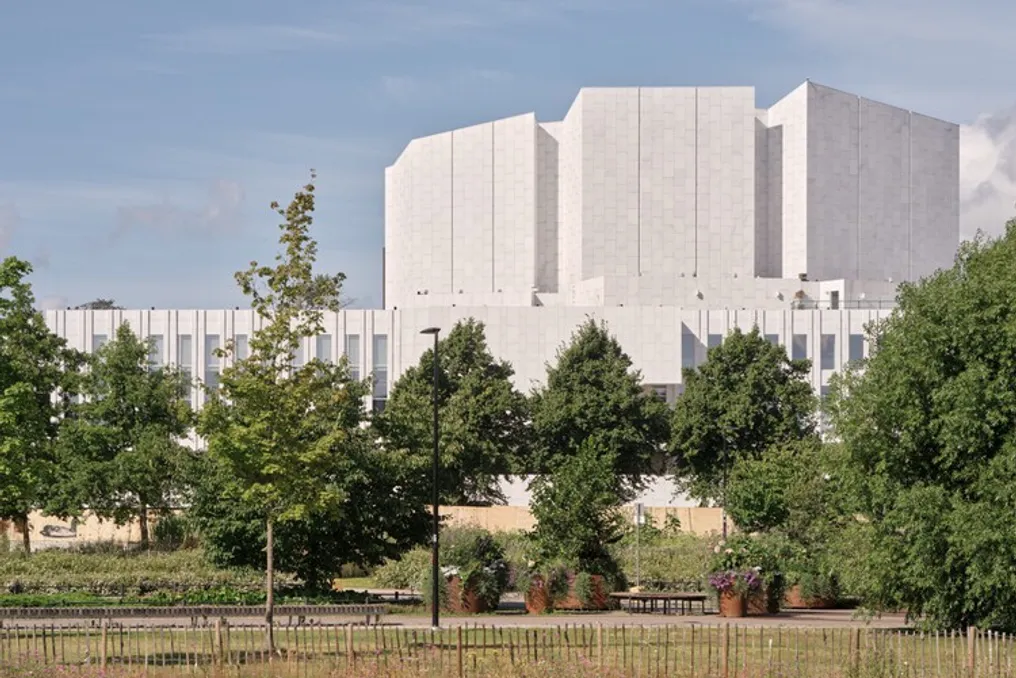
The Aalto Works in Finland comprise thirteen buildings and complexes designed between the late 1920s and 1980 by Alvar Aalto, Aino Marsio-Aalto, Elissa Aalto, and the Aalto studio. This recognition focuses on the Finnish contribution to the Modern Movement through works that prioritize the human being, integrating architecture, nature, daily life, and social well-being. Notable sites include the Paimio Sanatorium, Villa Mairea, Säynätsalo Town Hall, Seinäjoki Civic Center, and five buildings in Helsinki, such as the Finlandia Hall.
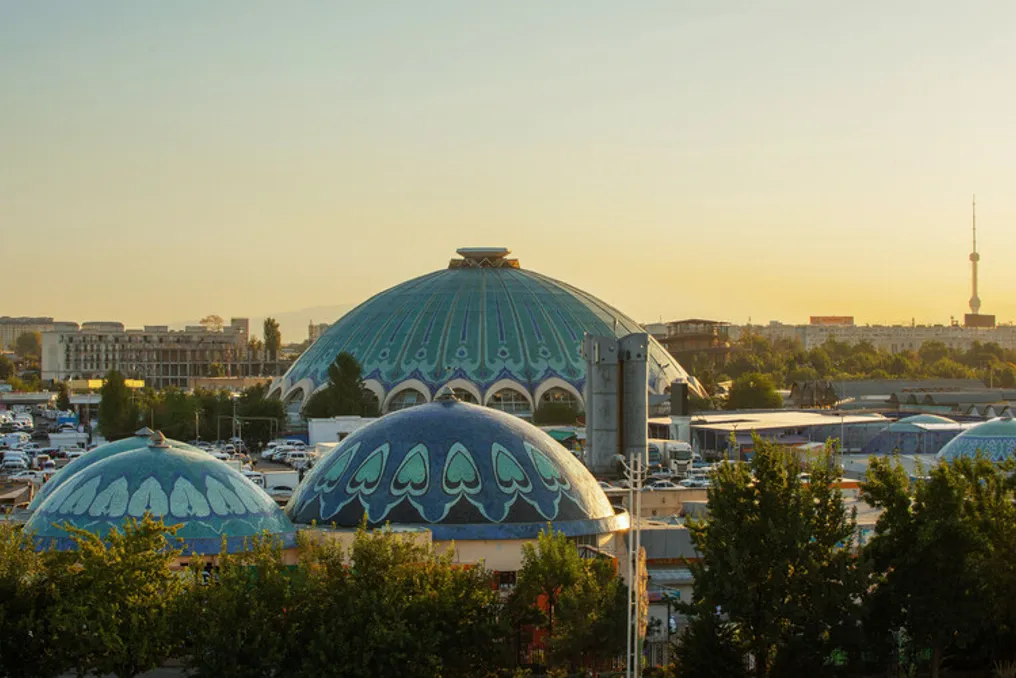
The inscription of the Modernist Architecture of Tashkent, Uzbekistan, covers ten buildings and urban areas constructed between 1960 and the early 1990s, during the capital's recovery after the 1966 earthquake. This serial property demonstrates a regional adaptation of late Soviet modernism, blending seismic engineering and industrial methods with the climatic characteristics, materials, and traditions of Central Asia, showing the city's transformation.
Culture and Economy in the Amazon
The Amazonian Theatres, Brazil, group 19th-century landmarks, such as the Theatro da Paz and Praça da República in Belém, alongside the Teatro Amazonas and Largo de São Sebastião in Manaus. These locations were erected during the economic boom of the rubber cycle, reflecting the cities' aspirations to become cosmopolitan hubs, inspired by European models but with Amazonian touches.
Craftsmanship and Urban Planning
The Jingdezhen Handmade Porcelain Industry Sites, China, document nearly a thousand years of ceramic production, encompassing eighteen sites that show the entire production process, from raw materials to kiln technologies, making it a crucial center of global innovation and trade.
The Modernist City Center of Gdynia, Poland, is recognized as a cohesive example of modernist urban development from the interwar period. The district reflects the application of modern planning principles in Gdynia, which transformed from a fishing village into the main seaport of the Second Polish Republic.
Cultural Infrastructure and Military History
The System of Italian Style Condominium Theatres of the 18th and 19th Centuries in Central Italy includes ten theatres in Emilia-Romagna, Marche, and Umbria. These were collectively financed and managed by municipalities and citizens, following the Italian theatrical tradition, which boosted access to culture in the region.
The D-Day Landing Beaches in Normandy, France, were included as a cultural landscape due to the military event of June 6, 1944. The serial property, spanning about 80 km, preserves vestiges of the German Atlantic Wall, battlefields, and memorial spaces related to Operation Overlord.
Fortifications and Agricultural Systems
The Royal Capetian Fortresses of Languedoc, France, represent a network of eight fortified sites symbolizing the consolidation of royal power in southern France in the 13th and 14th centuries, including Carcassonne and several castles.
The Mount Amel Castles, Lebanon, consist of five fortified sites in Jabal Amel, demonstrating nearly a thousand years of military architecture and territorial organization, serving as administrative and defensive centers under various domains.
São Tomé and Príncipe Plantations: Colonial Agricultural System and Forced Migration, recognizes six former Portuguese plantation complexes, used for coffee and cocoa, illustrating the spatial organization of colonial production and its social impact.
Religion and Historic Settlements
Wat Phra Mahathat Woramahawihan, in Nakhon Si Thammarat, Thailand, is an important Buddhist complex with over 1,500 years of history, reflecting cultural exchanges of Indian, Sinhalese, Javanese, and Mon traditions.
Finally, the Village of Sidi Bou Saïd, Tunisia, was inscribed for representing a historic settlement where architecture, landscape, and spiritual beliefs developed in intimate connection over the centuries.