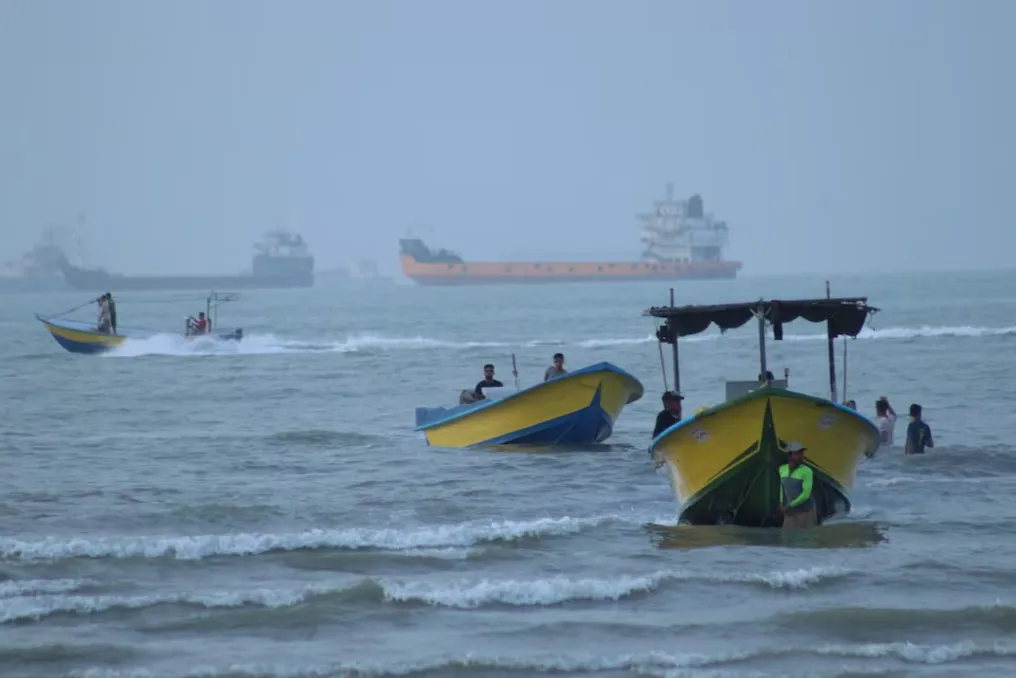
Oman has put forward a proposal to Iran for the joint administration of shipping in the Strait of Hormuz. This initiative has received support from other Gulf countries. The proposed document includes a mechanism for voluntary contributions to be collected from vessels passing through this vital sea route.
Goals and Management Model
The main objective of this proposal is to mitigate potential disruptions to global trade arising from escalating military tensions between the US, Israel, and Iran. According to the presented plan, the management of vessel traffic in the strait will be conducted jointly, excluding the transfer of full unilateral control to Tehran. This model is similar to the practice used in the Strait of Malacca, where there are voluntary payments for navigation and environmental protection.
Reaction of Global Players
The United States has strongly opposed the introduction of any fees. Washington emphasized that the Strait of Hormuz is an international waterway and should not be subject to restrictions by Iran. Oman's initiative arose after US President Donald Trump announced a temporary suspension of a series of airstrikes against Iranian infrastructure and the establishment of diplomatic contacts. Nevertheless, Iran denies conducting new negotiations with Washington.
Regional Situation
Tensions in the region have intensified: US Central Command reported intercepting Iranian ballistic missiles. In turn, Saudi Arabia announced the successful repulsion of drone attacks originating from Iraq, while Houthi rebels in Yemen declared a blockade of Saudi ports in the Red Sea.
Background to Oman's Proposal
Previously, Omani authorities had been studying the possibility of introducing fees for vessels passing through the Strait of Hormuz. These considerations were prompted by direct pressure from Iran, which sought joint control over this strategic route. Tehran insisted on a more active involvement in regulating shipping and demanded that tankers carry Iranian insurance.