'Eco-Debate' is a new initiative developed with the goal of improving the environmental culture of young people. This project is being implemented with the participation of the Uzbekistan Ecological Party.
'Eco-Debate' is a new initiative developed with the goal of improving the environmental culture of young people. This project is being implemented with the participation of the Uzbekistan Ecological Party.
The main objective of this endeavor is to increase environmental knowledge and culture among youth, to form an active civic position in them regarding environmental issues, and to develop skills in critical thinking, discussion, and debating.
Currently, there are many environmental problems that require enriching the ecological knowledge and views of the population, especially young people, and raising eco-culture. In this area, the Uzbekistan Ecological Party conducts a number of events, including projects, competitions, various events, and meetings.
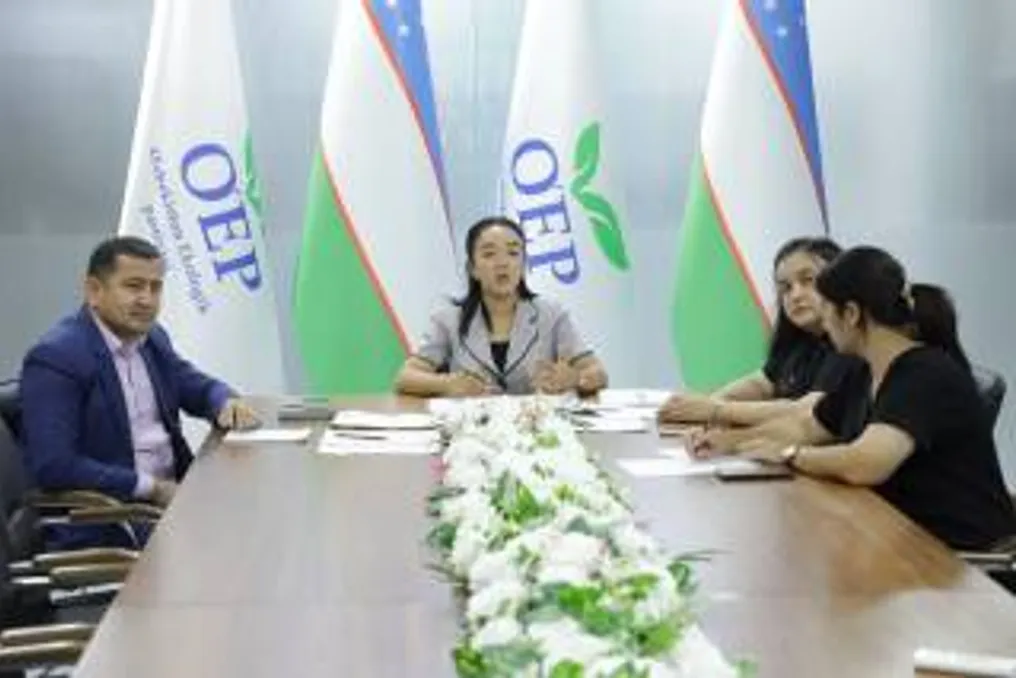
'Eco-Debate' is viewed as the next step aimed at uniting the country's youth, drawing attention to environmental issues, and increasing responsibility towards nature. To ensure a high level of project organization, a meeting was held at a session of the Central Council of the Uzbekistan Ecological Party.
Employees responsible for working with youth, women, and mass media from organizations in the Karakalpakstan Republic, regions, and Tashkent city took part in this meeting. The issues of implementing the project were discussed comprehensively at the meeting.
Responsible persons were assigned the duties of systematically and effectively organizing the project in all regions, as well as strictly adhering to the criteria for selecting and evaluating participants. Furthermore, they were instructed to conduct competitive procedures based on the principles of openness and transparency.
The digital platform ECODATA has been implemented in Uzbekistan, which consolidates information on biodiversity and protected natural areas. This was reported by the press service of the Committee on Ecology and Climate Change.
The ECODATA platform was developed in cooperation between the National Committee on Ecology and Climate Change, the United Nations Development Programme, and the Global Environment Facility. It consists of seven main modules and more than 60 related tables, covering 12 provinces and Karakalpakstan.
The system aggregates data on animal and plant species, rare species included in the Red Book, as well as data on reserves, national parks, forests, water bodies, and pastures. The system is designed to track changes in the population and distribution of species, compare indicators across regions, and make environmental decisions based on available data.
A key feature of the platform is the ability to directly transmit observation results from natural territories. Specialists can send GPS coordinates, photos, and additional material to the database via mobile devices. If there is no internet connection, the information is saved on the device and automatically synchronized with the central database once the connection is restored.
In the future, citizens and researchers will be able to submit photos of animals or plants with specified coordinates to the system. If a species cannot be identified, the data will be forwarded to specialists for verification. ECODATA is also used to calculate limits for natural resource use and analyze monitoring results. Plans also include automatic alerts upon a sharp decline in the population of rare species, climate impact assessment, and integration with international information systems.
From January to June 2026, the average nominal wage in Uzbekistan was 7.09 million soms, with the highest figure recorded in Tashkent.
The wage for January-June 2026 reached an average of 7,911 thousand soms nationwide. This figure exceeds the same period last year by 18.4%. For comparison, in January-June 2022, the average wage was 3,551.6 thousand soms, which represents an almost twofold increase in the average salary over four years.
When comparing by region, the highest average wage level was noted in the city of Tashkent, where it reached 12.014 million soms. Following in terms of income level is the Navoi region, where the average salary amounted to 8.723 million soms.
The lowest values for the average wage were registered in the Kashkadarya region, where it was 4.865 million soms, as well as in the Surkhandarya region, where the indicator reached 4.937 million soms.
Natural resources are considered an invaluable asset of humanity. Protecting biodiversity in rivers, lakes, and water bodies, preserving fish stocks, and maintaining ecological balance have become one of the priority tasks of state policy. Therefore, a decisive fight is being waged in the country against the illegal use of natural resources, and non-compliance with legal requirements entails severe legal consequences.
During another control raid conducted by employees of the Ecology and Climate Change Department of the Bukhara region, a violation of the law was discovered in the 'Hadicha' natural lake, located in the Karavulbozor district.
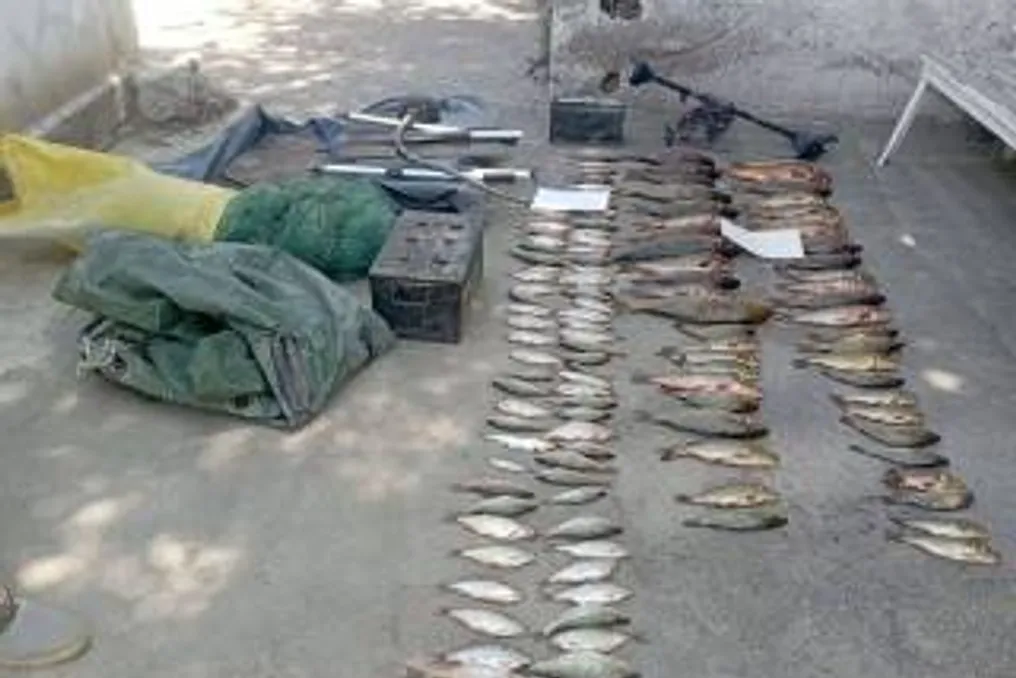
The inspection revealed that citizens J.R., B.R., and I.U. were engaged in illegal fishing using prohibited nets, which contradicts the law and lacked appropriate permits.
The inspection results showed that they illegally caught 47 carp (zogar) and 71 Aral chavog, totaling 118 fish. According to specialists' calculations, this offense caused economic damage to the wildlife amounting to 126 million 72 thousand sums.
As part of the operational measures, a rubber boat used during the offense, prohibited fishing nets, and other fishing gear were seized, and the caught fish was documented as material evidence according to established procedures. Given the seriousness of the situation and the amount of damage caused, a criminal case has been initiated against the perpetrators. This once again confirms that any attempts to plunder natural resources will be strictly assessed under the law.
Today, the illegal catching of several fish is viewed not just as a minor offense, but as a serious crime that harms the entire ecosystem. This is because every fish is an integral part of the natural balance of water bodies, the biological chain, and natural resources that must be preserved for future generations.
Any encroachment on nature will not go unpunished. In the context of ensuring the rule of law in the country, decisive measures are being taken against environmental offenses, which serves as an important warning to all citizens. Nature conservation is not only the duty of state bodies but also the conscious duty of every person, as conserved nature today is the healthy lifestyle of tomorrow and a worthy heritage for coming generations.