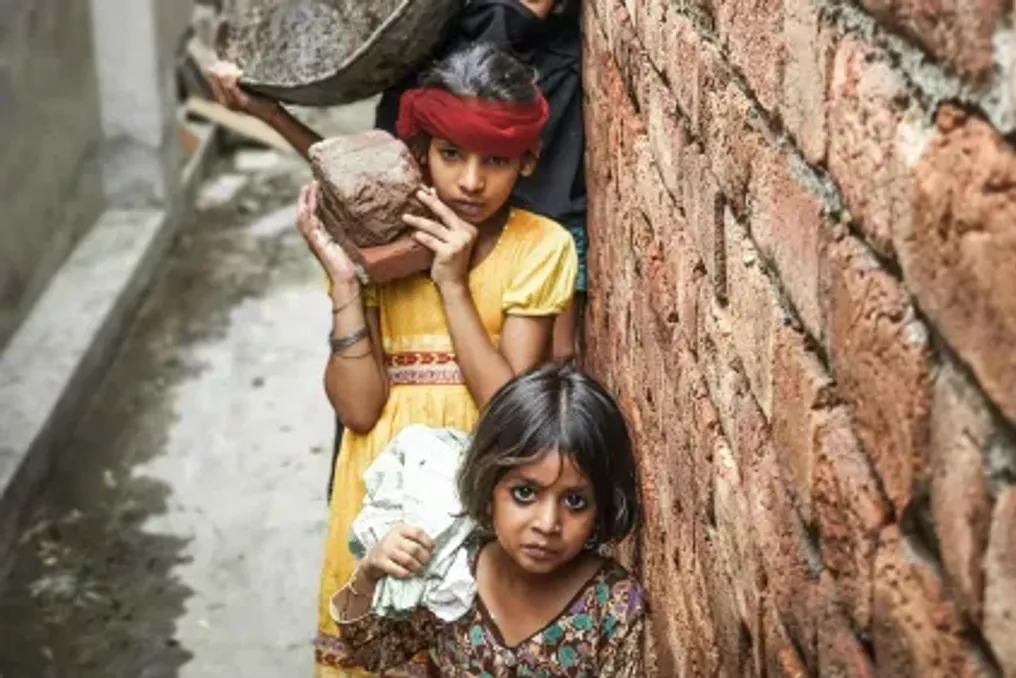
Although most child labor is observed in agriculture, the mining industry remains one of the sectors posing the greatest threat to children's health and safety.
Certification of Responsible Operations
Anglo American announced that four of its copper operations in Chile and Peru have received or maintained The Copper Mark certification. This raises a broader question for the global mining industry: how can buyers be sure that metal is produced without the use of forced or child labor and other human rights violations, given the growing demand for copper for electric vehicles, renewable energy infrastructure, and artificial intelligence data centers?
Copper has become one of the world's most vital minerals, and the International Energy Agency forecasts significant demand growth amid the electrification of national economies. This demand places increased pressure on mining companies, requiring them to confirm the responsible origin of their products.
Recognition of Quality
Anglo reported that the Quellaveco copper mine in Peru received its first Copper Mark and Molybdenum Mark awards. Furthermore, Copper Mark certifications were confirmed for the Los Bronces and El Soldado mines, as well as the Chagres smelter in Chile. All four sites also received first Chain of Custody awards, designed to improve the traceability of responsibly produced metals throughout the supply chain.
Tony Power, CEO of Anglo American in Peru, noted that the company's efforts to assess its value chain against independent third-party standards are a key differentiator and source of trust for customers, end-users, and other stakeholders. He called Quellaveco a 'model of responsible mining.'
The Copper Mark is an independent quality assurance system for copper, molybdenum, nickel, and zinc operations. Individual mines, smelters, and concentrators undergo independent assessment across 33 aspects covering environmental management, mine closure, business ethics, occupational health and safety, community engagement, cultural heritage, and human rights.
The Issue of Forced Labor
Among the requirements of the voluntary assessment are clear standards concerning child labor, forced labor, and responsible sourcing. The inclusion of these criteria reflects long-standing concerns within the global mining industry.
While many of the most documented cases of child labor occur in artisanal and small-scale mining, particularly in the Democratic Republic of Congo's copper-cobalt zone, international organizations have repeatedly warned that companies cannot assume such risks exist only outside formal mining operations.
The Organisation for Economic Co-operation and Development (OECD), whose due diligence guidelines are considered the global benchmark for responsible mineral sourcing, defines the worst forms of child labor as a 'serious human rights violation related to the extraction, transport, or trade of minerals.' The OECD insists that companies 'should not tolerate, benefit from, encourage, assist, or facilitate' child labor and must identify, prevent, and eliminate these risks throughout the mineral supply chain.
Multiple Risks in the Industry
The OECD also cautions that child labor is just one of several risks that companies must assess. Its guidance emphasizes forced labor, corruption, abuses by state and private security forces, unsafe working conditions, and broader human rights violations as risks requiring continuous due diligence in mineral supply chains.
Behind the global race for electric vehicles and renewable energy lies a disturbing reality. The International Labour Organization (ILO) estimates that nearly 138 million children worldwide are engaged in child labor, including 54 million in hazardous work. Although most child labor is in agriculture, mining remains one of the sectors creating the greatest risks to children's health and safety. In the Democratic Republic of Congo, the world's largest cobalt producer and a major copper producer, the ILO reports that over 100,000 people work in artisanal cobalt mining, where child labor remains a persistent problem.
The Copper Mark aims to ensure that participating operations have undergone independent assessment against internationally recognized responsible mining standards. However, it is not a certification for the entire mining company nor a blacklist of 'good' and 'bad' mines. Instead, individual operations voluntarily participate and undergo periodic third-party assessment to demonstrate compliance with the system's requirements.
Pressure for Transparency
The implementation of the Chain of Custody standard reflects growing pressure from producers, investors, and regulators demanding greater transparency regarding the origin of critical minerals before they enter global supply chains. Nevertheless, the certification itself remains a subject of debate.
Human Rights Watch argues that voluntary certification schemes in the mining industry should not be seen as a substitute for effective government oversight or as proof that companies have fully met their human rights obligations. The organization warns that certification can create a false sense of security if audits fail to uncover serious abuses or are not backed by robust law enforcement.
Joseph Wild-Ramsing, an external commentator for Human Rights Watch, writes that 'to obtain certification, companies usually have to undergo a third-party audit. Audits can sometimes provide useful information about company behaviour, and certification can help promote best business practices.' However, Wild-Ramsing adds: 'unfortunately, certification too often fails to prevent wrongdoing because the audits upon which they base their decisions are imperfect.'