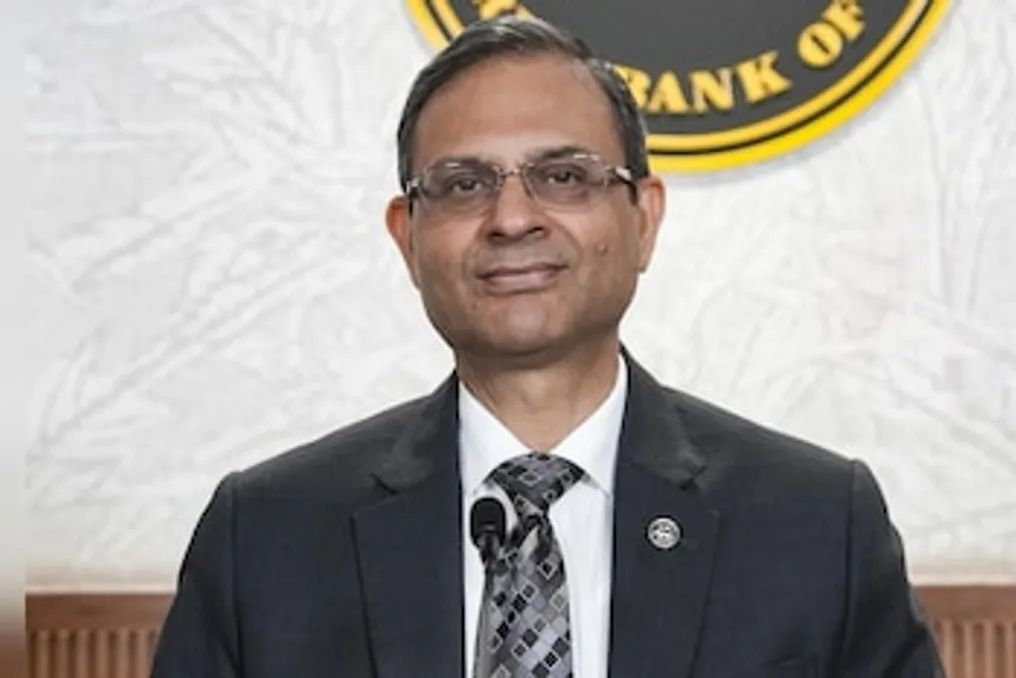
Reserve Bank of India (RBI) Governor Sanjay Malhotra stated that the Indian rupee is not overvalued and may even be considered undervalued, despite recent currency pressure.
Reasons for Rupee Weakness
In a recent interview with The Hindu Businessline, Malhotra noted that the recent weakening of the rupee is primarily due to global factors. These factors include geopolitical tensions, the strengthening of the US dollar, and volatility in emerging markets, rather than the weakness of the Indian economy itself.
What Does Currency Undervaluation Mean?
A currency is considered undervalued when its exchange rate trades below the level suggested by economic fundamentals such as productivity, inflation, and trade indicators. According to the RBI Governor, the fall of the rupee is more caused by global events than by domestic economic problems.
An undervalued rupee increases the competitiveness of Indian exports, as Indian goods and services become more affordable for foreign buyers. This is also beneficial for sectors earning income in foreign currencies, such as information technology and other export-oriented industries.
Risks and Significance of RBI's Remarks
However, the weakening of the rupee can lead to an increase in the cost of imports, including crude oil, electronics, and other foreign goods, which could potentially fuel inflation if this trend continues. Malhotra's statement is significant because RBI governors typically avoid publicly defining the fair value of a currency during periods of market instability. According to a Bloomberg report, his assessment was called a 'rare public statement,' as the RBI traditionally refrains from direct comments on whether the rupee is overvalued or undervalued.
Impact of Exchange Rate on India
A weaker exchange rate makes Indian goods and services cheaper for foreign buyers, thereby improving export competitiveness. Furthermore, it increases the rupee value of foreign earnings for sectors like pharmaceuticals and information technology. Nevertheless, India is heavily dependent on imports of crude oil, electronics, machinery, and fertilizers. A persistently weak currency increases import costs, creates difficulties for companies reliant on foreign components, and ultimately can raise consumer prices.
This risk of imported inflation is a key element in RBI policy calculations. If rising costs become widespread, the Monetary Policy Committee may have fewer options to support economic growth through interest rate cuts.