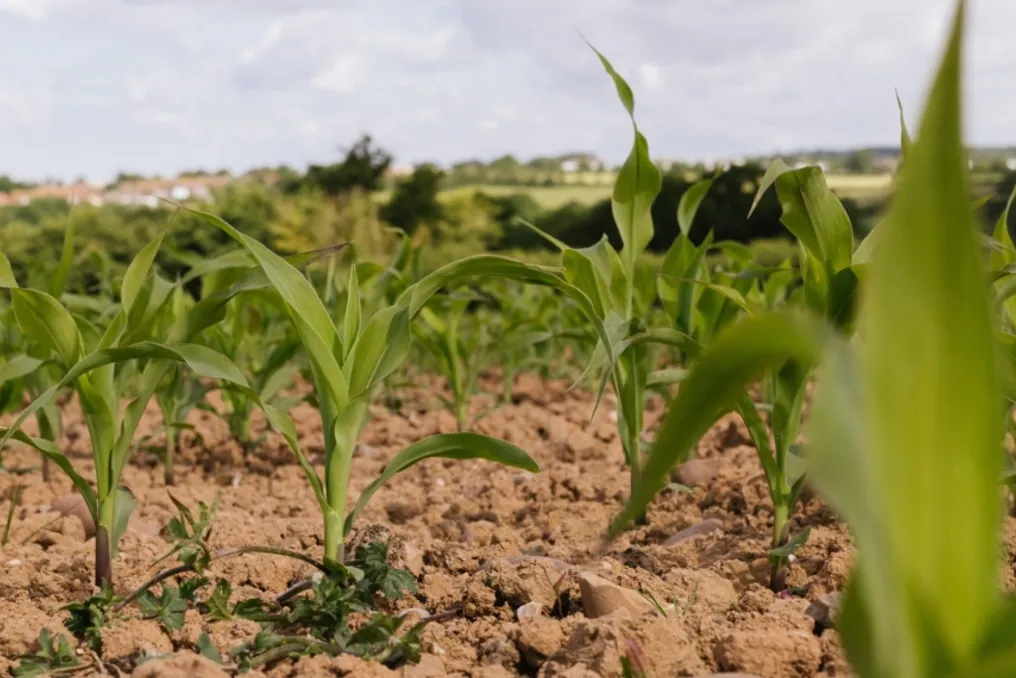
South African agricultural producers are preparing for the 2026/27 summer planting season following record grain stocks, but forecasts indicate growing weather uncertainty due to the high probability of a strong El Niño pattern in South Africa.
South African agricultural producers are preparing for the 2026/27 summer planting season following record grain stocks, but forecasts indicate growing weather uncertainty due to the high probability of a strong El Niño pattern in South Africa.
Although the large stock levels mean that the country's food security is not under immediate threat, producers are strongly advised to prepare for a potentially challenging production season by efficiently utilizing resources, careful planning, and improving risk management.
According to Paul Makube, a senior agricultural economist at FNB, recent climate forecasts show a probability of El Niño developing in South Africa of over 90%. He noted that just two months before the start of the 2026/27 agricultural season, the focus has shifted to weather expectations.
Makube explained that El Niño is typically associated with drought conditions, unpredictable rainfall, and reduced precipitation in many parts of South Africa. Nevertheless, he emphasized that favorable rainfall in the last two seasons has put farmers in a stronger position compared to previous drought cycles.
He added that consecutive seasons with increased rainfall have contributed to increased soil moisture and the replenishment of reservoirs across the country, which should help protect crops.
Makube warned that the 2023/24 El Niño significantly reduced maize production, leading to a 22% year-on-year drop in yields in South Africa, while regional production fell to 15%. He concluded that the agricultural sector will become increasingly dependent on weather in the future, and if the El Niño pattern becomes stronger and lasts longer than expected, the harvest season could be difficult, although some regions may achieve good harvests despite adverse conditions.
Makube urged producers to strengthen their resilience before planting begins. He advised implementing the following measures: investing in heat and drought-resistant seed varieties; adopting conservation agriculture methods such as minimum tillage, crop rotation, and soil cover; increasing irrigation efficiency using technologies like drip irrigation; expanding water storage on farms and rainwater harvesting; and using precision agriculture to optimize fertilizer and fuel consumption.
Kenehelo Mavuso, a grain and potato producer from Free State, believes that success this season will depend on disciplined decision-making, not just optimism. He stated that as a farmer, he is cautiously optimistic about the upcoming summer planting season. While there is potential for a productive season, success will largely depend on timely rainfall, careful resource management, and sound planning.
Mavuso warned that rising costs for fuel, fertilizers, and pesticides continue to erode profitability. He advised colleagues to remain disciplined in planning, planting crops in the optimal sowing window, selecting varieties suited to local conditions, and managing soil fertility through regular soil testing. Furthermore, he recommended closely monitoring weather forecasts and maintaining flexibility to adjust planting decisions as conditions change.
He stressed that risk management must remain a priority. Diversifying crops where possible, maintaining adequate crop insurance, and closely monitoring production costs can help protect businesses from unforeseen difficulties. Despite the uncertainty, he is confident that good management can still yield positive results, as agriculture has always required resilience, and with careful management and informed decision-making, one can prepare for a successful summer season.
This complex weather forecast follows one of the strongest grain production seasons in South African history. Juan-Pierre Kotze, Research and Projects Manager, reported that South Africa is expected to harvest a record 17.25 million tonnes of maize, ensuring significant stocks for the next season.
According to him, thanks to these large maize stocks, there are currently no signs that the forecasted El Niño event poses a significant risk to South Africa's food security. However, Kotze noted that weak export demand means that large surpluses of maize and soybeans are likely to remain in the domestic market, putting constant pressure on prices as producers prepare for the next planting season.
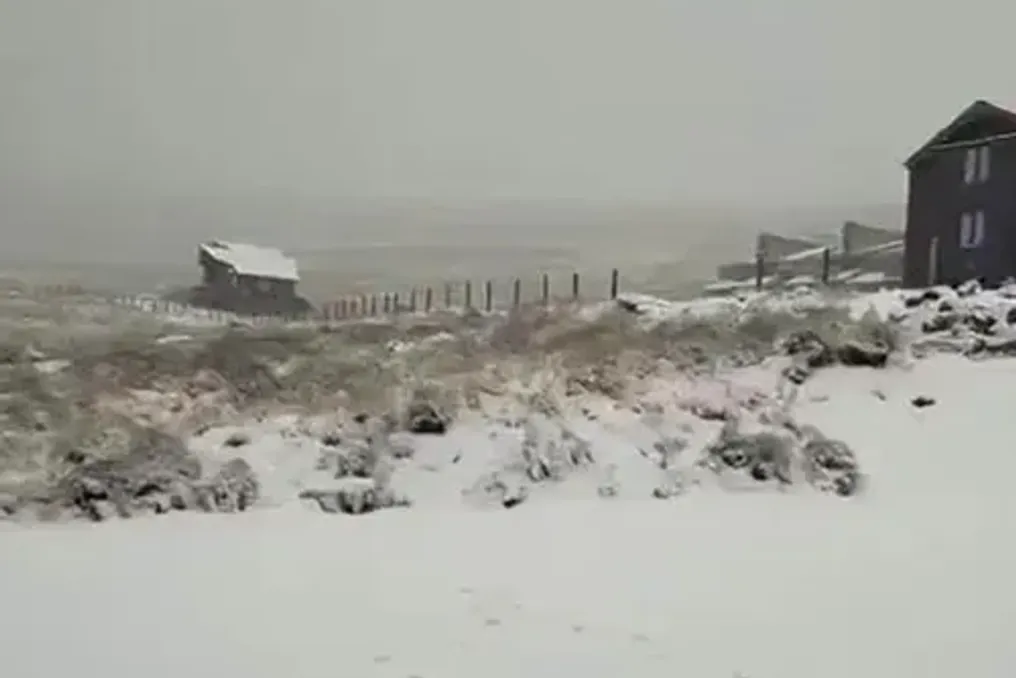
The KwaZulu-Natal Department of Transport reported that major roads across the province are under observation by the Road Traffic Inspection. This is due to snowfall observed in the Drakensberg region, while other areas are experiencing rainy and icy weather conditions.
It is reported that snowfall has been recorded in the Drakensberg area, including the Sanie Pass and Mount Fletcher, which is located in the Eastern Cape. Special attention is being paid to the N3 Van Reenen pass between Harrismith and Ladysmith to promptly close roads and prevent drivers from getting stranded on the highway.
Fog and rain have also been noted in other parts of the territory, both along the coast and in inland areas.
According to the latest data from the South African Weather Service, several warnings have been issued. Today, an orange level 6 warning for destructive rainfall accompanied by heavy downpours is in effect on the southern coast of KwaZulu-Natal, which could lead to flooding of roads and settlements.
Furthermore, a yellow level 2 warning for destructive rainfall with localized flooding is expected for the southern interior of KwaZulu-Natal. A yellow level 2 warning for destructive snow has also been issued today in the southwestern parts of KwaZulu-Natal, which potentially could cause icing in this region.
South Africa is experiencing a harsh winter caused by a powerful low-pressure system that has covered the entire country. The South African Weather Service has warned of frost, snow that may disrupt operations, and heavy coastal rainfall, with icy mornings expected in several regions until weather conditions improve later in the week.
When the weather gets cold, it is recommended to cook hot dishes that fill the house with pleasant aromas and warm you from the inside. There are many options that are perfect for low temperatures.
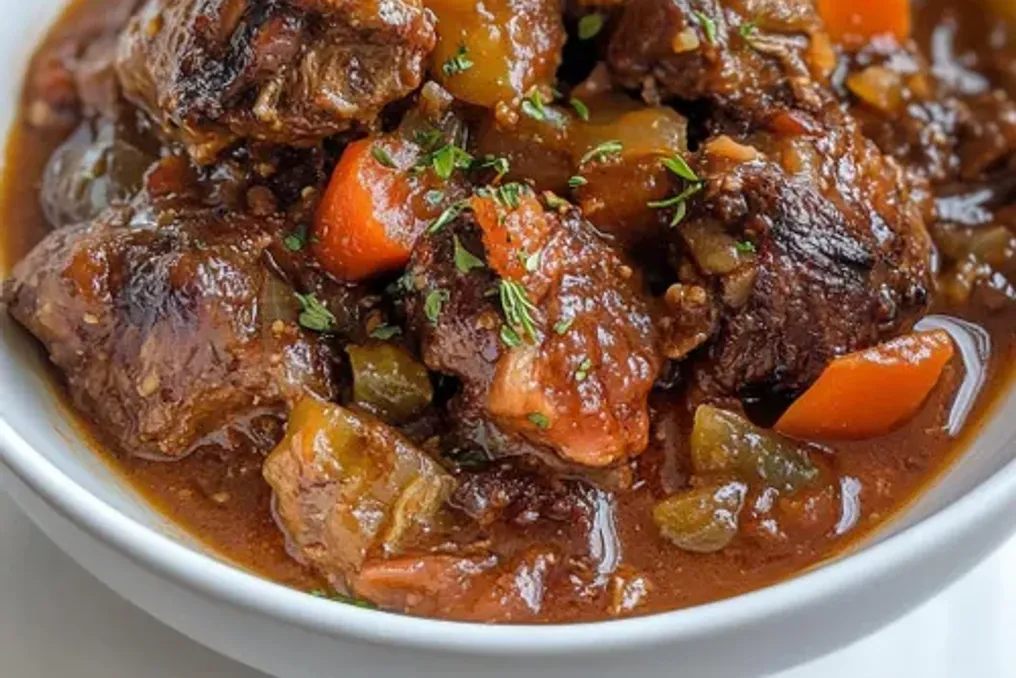
One of the favorite dishes, often served with mashed potatoes, rice, or steamed vegetables, is oxtail, which is popular for Sunday lunches, family celebrations, and special occasions.
Inyama yenkomo with amadombolo is a slow-cooked beef stew that becomes tender after several hours on the stove, absorbing rich sauce along with carrots and potatoes. These soft steamed buns are perfect for soaking up all the sauce.
Umngqusho, a favorite dish of the Eastern Cape, is a mixture of beans and samp cooked until creamy consistency. It is a simple, filling, and affordable dish that keeps you full for hours, and it can be served on its own or with fried meat or chicken.
Cape Malay tomato bredie is a dish that is perfect for winter. Lamb or mutton is slowly stewed with tomatoes until a thick sauce forms. Thanks to spices such as curry powder, turmeric, cumin, and coriander, this dish is hearty, budget-friendly, and easy to prepare, making it a popular choice for a weekday dinner.
For a quicker preparation, Durban mince and potato curry is suitable. This Durban-style mince curry cooks quickly and fills the kitchen with the smell of spices. It can be served with fluffy rice or used as a filling for fresh bunny chow.
A soup is always welcome on a frosty day. You can make a smooth cauliflower soup, adding sliced biltong and serving it with cheese toast. It turns out creamy, savory, and is perfect for both lunch and dinner.
If you have time, you can prepare an Oxtail pot, allowing it to simmer all day long. Slow cooking transforms the meat until it easily falls off the bone. It is served with rice, pap, or creamy polenta.
Another option is Spicy chicken livers with samp. Chicken livers cooked with garlic, mushrooms, and chili give the dish a spicy kick. They can be paired with creamy samp for a hearty and flavorful dinner.
Umfino is a traditional Eastern Cape dish that combines pap with cabbage, spinach, potatoes, and garlic. It is healthy, inexpensive, and excellent for feeding the family on cool evenings.
After the main course, you can enjoy a warm dessert. A classic South African favorite is malva pudding topped with hot custard or cream, as well as chocolate pudding, which you can make yourself to stay home longer.