To keep your golf clubs in optimal condition and improve performance on the course, it is important to regularly care for irons, woods, and grips.
To keep your golf clubs in optimal condition and improve performance on the course, it is important to regularly care for irons, woods, and grips.
Keeping clubs clean is one of the simplest ways to protect your gear and maintain consistent play. Dirt, grass, and sand can quickly settle into the grooves of irons and wedges, which reduces ball spin and makes control difficult.
The best time to clean is immediately after every shot. It is recommended to carry a damp towel and wipe down the clubhead before putting it back in the bag. Quick cleaning prevents dirt and grass from drying inside the grooves.
For a more thorough cleaning, fill a bucket with warm water and add a small amount of mild detergent. Only submerge the heads of irons and wedges in the water for a few minutes. Under no circumstances should you immerse the ferrules or shafts, as prolonged exposure to water can weaken glue or damage the metal.
Use a soft brush or an old toothbrush to gently clean the grooves, sole, and back of each head. Never use wire brushes on soft-textured coatings, as this can cause scratches. Afterward, rinse the heads with clean water and dry them thoroughly with a towel.
Drivers, fairway woods, and hybrids should not be fully submerged in water. Instead, they should be wiped with a damp cloth and the grooves gently cleaned with a soft brush. Special attention should be paid to the weight adjustment ports and hosels, where moisture can accumulate.
Grips also require regular cleaning. They should be wiped with warm soapy water, lightly rinsed, and dried with a towel. Clean grips provide better grip and reduce the need to squeeze the club too tightly.
In conclusion, clubs must be stored in a dry and cool place. It is forbidden to leave wet clubs inside a closed golf bag or car trunk. Regular care will help maintain the professional appearance of the clubs, extend their lifespan, and ensure they meet their original specifications.
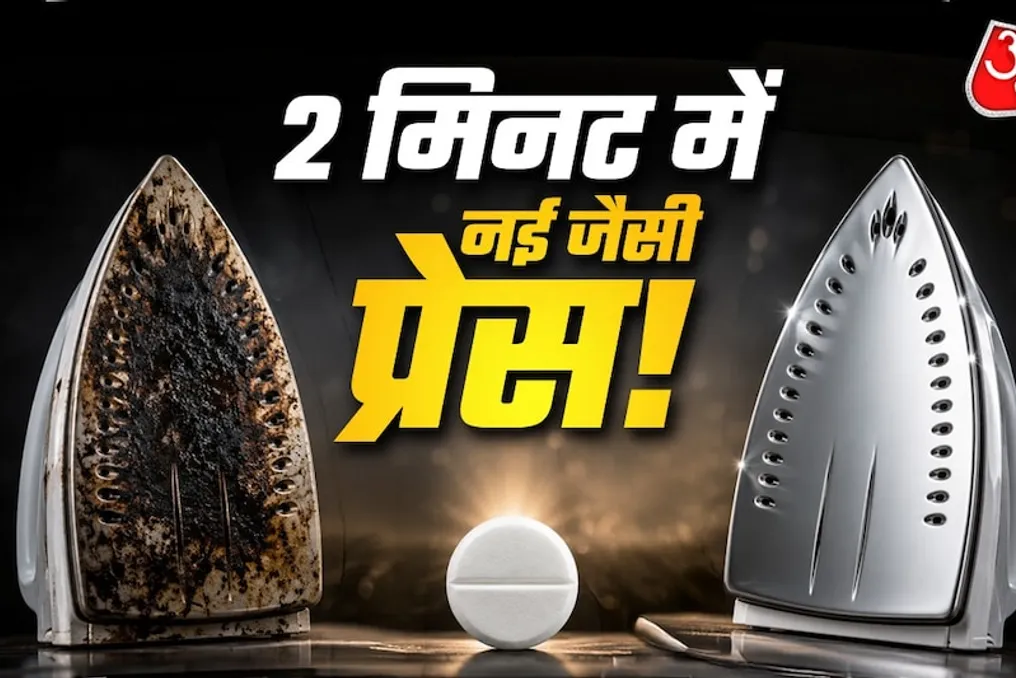
Sometimes fabric burns while ironing. This not only damages the clothing but also causes the bottom of the iron to turn black from burning. This condition causes problems because it leaves stains on clothes and disrupts the normal operation of the appliance. As a result, many people start considering buying a new iron.
However, there is a simple way to solve this problem using a common painkiller tablet that might be at home. Paracetamol can clean a burnt iron in just a few minutes.
To clean the iron using a painkiller tablet, several steps must be followed. First, turn on the iron to medium or medium-high heat and let it heat up for a few minutes. When working with a hot iron, it is crucial not to hold the paracetamol tablet with bare hands; tongs or heat-resistant gloves should be used to avoid burns.
Next, using tongs, take the paracetamol tablet and gently rub it over the burnt or black area on the soleplate of the iron. Due to the high temperature, the tablet will begin to melt and turn into a gel-like substance, which will loosen the stuck dirt layer and charred spots. As soon as the spots start to come off, immediately wipe the soleplate with a slightly damp microfiber or cotton cloth to remove the melted tablet and charred residue.
After this, unplug the iron and let it cool down completely. Once it has cooled, wipe the entire soleplate again with a clean, slightly damp cloth to prevent any residual stickiness.
This home remedy has been in use for a long time. Dissolving paracetamol on a hot iron helps to loosen charred particles, making them easier to remove. Nevertheless, special caution must be exercised when using this method, as the iron is a very hot appliance.