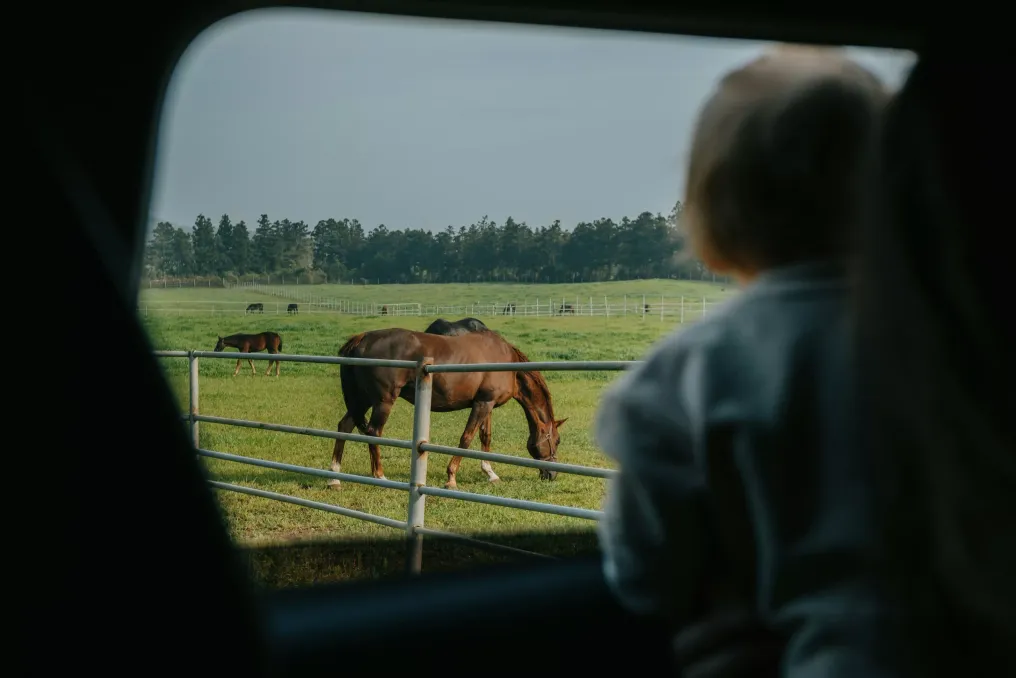
Road trips possess a unique romance: open roads, stops in small towns, picturesque mountain passes, and the opportunity to pull over and admire the view. However, adding a baby to the back seat can turn this dream into a real test of endurance.
The good news is that traveling with a small child doesn't have to feel like a fight for survival. A little planning, realistic expectations, and a willingness to accept a slower pace can turn the journey into part of the adventure. These practical recommendations will help make the miles more enjoyable for everyone, whether you are heading down the Garden Route, exploring the Wild Coast, or driving to the Drakensberg.
Accept That Speed Is Not the Priority
Before having children, many of us defined the success of a road trip by how quickly we reached our destination. With a baby, the criteria for success change. You must expect that stops will happen more frequently than the navigator predicts. Diaper changes, bathroom breaks, requests for snacks, and sudden tantrums—all become part of the experience. Including extra time in your itinerary removes unnecessary pressure and gives everyone permission to enjoy the trip rather than rushing through it.
Sometimes the most memorable moments happen during an unplanned stop at a farm stall or in a quiet picnic spot you would have driven past if you hadn't stopped.
Coordinate Departures with Sleep Schedules
Every baby has its own rhythm, but many parents find that it is best to leave shortly before nap time or early in the morning. If the child usually sleeps for two hours after lunch, plan the longest stretch of the journey for that time. Some families prefer to leave before sunrise so that babies sleep through the first part of the trip. Instead of forcing the baby to adapt to your schedule, you should work according to their usual routine.
Plan Breaks Every Two Hours
Prolonged time in a car seat causes discomfort for both adults and energetic babies. Planning stops every couple of hours allows children to stretch, snack, and burn energy before resuming travel. For infants, such pauses are also ideal for feeding, diaper changes, and getting fresh air.
Choose stopping places with enough space, not just gas stations. A grassy area for a picnic, a playground, or a quiet resting spot will allow babies to release energy before getting back in the car.
Prepare Snacks Professionally
Ask any experienced parent for the best road trip advice, and it will likely be about snacks. Instead of putting everything in one large bag, divide snacks into individual, easily accessible portions. Offering small choices throughout the day helps prevent hunger-induced tantrums and keeps little hands busy.
Good options include: fresh fruits that travel well; cheese cubes kept in a cooler bag; rice cakes or crackers; dry cereal; fruit purees; easy-to-drink water bottles. Many experienced parents also advise keeping several favorite treats in reserve for true emergencies, rather than giving them up at the first sign of displeasure. Discussions among parents constantly emphasize the value of a 'snack strategy' on long journeys.
Rotate Toys Instead of Giving Everything at Once
Novelty plays a huge role. Instead of packing one large box of toys, wrap or pack several small activities separately and introduce them throughout the trip. Sticker coloring books, magnetic drawing boards, reusable coloring pages, finger puppets, and soft sensory toys can buy precious time. Even a toy the baby hasn't seen in weeks can suddenly seem brand new.
Download Entertainment Before Leaving
There is nothing shameful about strategically using screens. Download favorite episodes, audiobooks, or children's music playlists before leaving home, especially if your route includes remote areas with no mobile reception. View screen time as one tool in your arsenal, not the entire plan. Alternate entertainment with songs, conversations, simple games, and sightseeing to make the trip feel more varied.
Keep Essentials Within Reach
The most necessary items should never be hidden under luggage. Keep within easy reach a bag containing: wet wipes, diapers, a change of clothes, plastic bags for dirty clothes, hand sanitizer, water, a favorite soothing toy, and basic first aid supplies. Don't forget any prescription medications your child might need, as well as plenty of drinking water, sunscreen, wipes, and toiletries. Having everything handy can save you from unpacking the trunk at every stop.
Never Compromise on Car Seat Safety
Comfort is important, but safety comes first. Before departing, check that your child's car seat is installed and adjusted correctly according to the manufacturer's instructions, taking into account the child's height and weight. Throughout the trip, children must remain properly restrained, even during short drives or moments of distress. Although there may be a temptation to loosen the belt or take the child out of the seat during a tantrum, this significantly increases the risk of serious injury in the event of a collision. South African road safety organizations, including the Road Traffic Management Corporation and Arrive Alive, continue to insist that properly secured child restraints are one of the most effective ways to protect young passengers.
Maintain Flexible Expectations
Perhaps the biggest life hack for road trips is accepting that not everything will go according to plan. Someone will probably spill juice. Someone might cry for reasons no one fully understands. Lunch might happen an hour later than expected. This is simply part of traveling with small children. Instead of striving for a perfectly executed itinerary, focus on creating a relaxed atmosphere where delays become opportunities, not sources of frustration.
Years later, your baby won't remember how many minutes you spent in traffic near George or whether you arrived exactly on schedule. They might remember chasing birds at a roadside picnic, watching baboons along a mountain pass, or sharing cookies while watching the sunrise through the window. It is these moments that turn an ordinary trip into a family adventure.
The Journey Is Part of the Vacation
Traveling with a baby will almost always take longer than expected, but a slow pace does not mean a worse one. Some of the country's most memorable trips are best enjoyed at a leisurely pace, with the ability to stop, explore, and follow unexpected detours that make road trips so valuable. Plan wisely, allow for plenty of breaks, and remember that the destination is only part of the story. Sometimes the best family memories begin long before arrival.