The new bridge in Dubai is already facilitating more comfortable journeys for drivers heading to Business Bay, Downtown Dubai, and other major areas of the emirate.
The new bridge in Dubai is already facilitating more comfortable journeys for drivers heading to Business Bay, Downtown Dubai, and other major areas of the emirate.
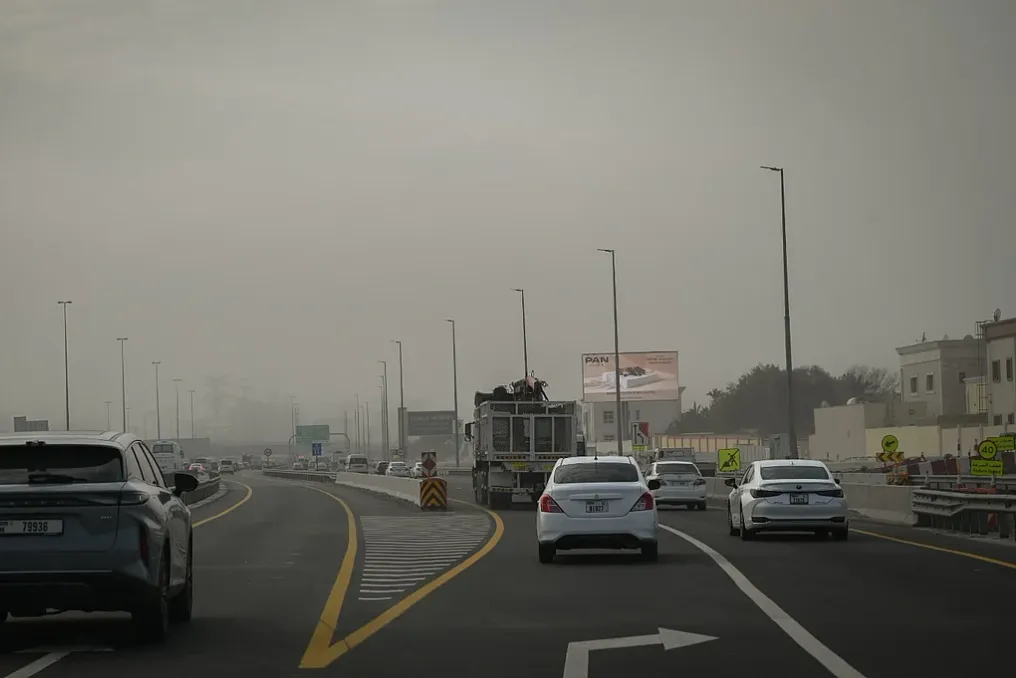
Journalists from Khaleej Times took a trip across the recently opened three-lane bridge connecting Al Hail Street with Al Asayel Street during rush hour. They observed that traffic flowed freely along the entire route.
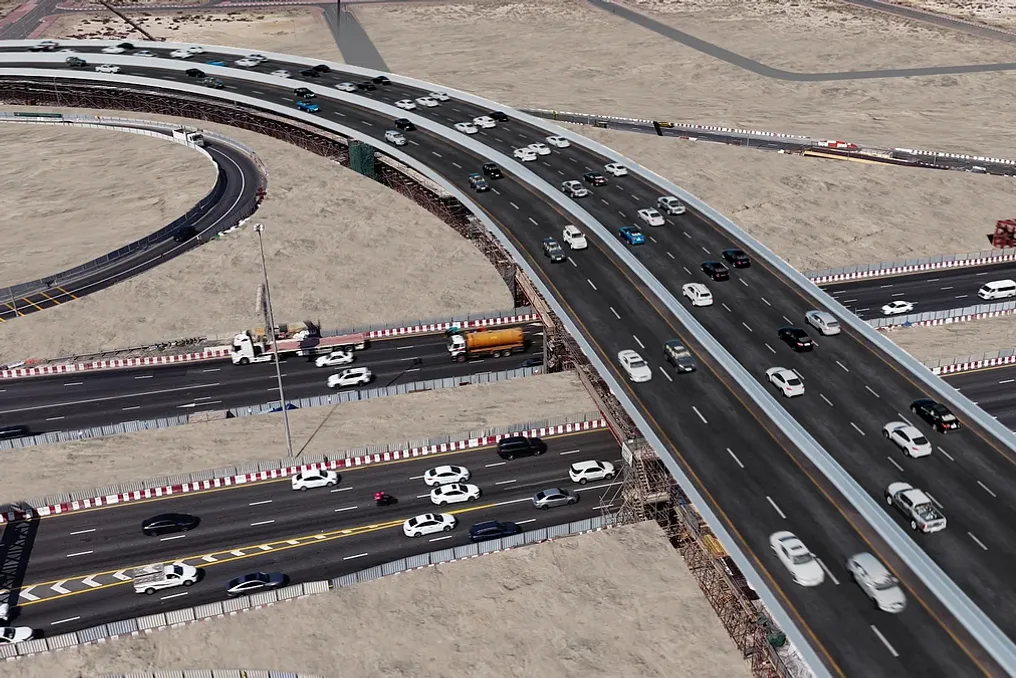
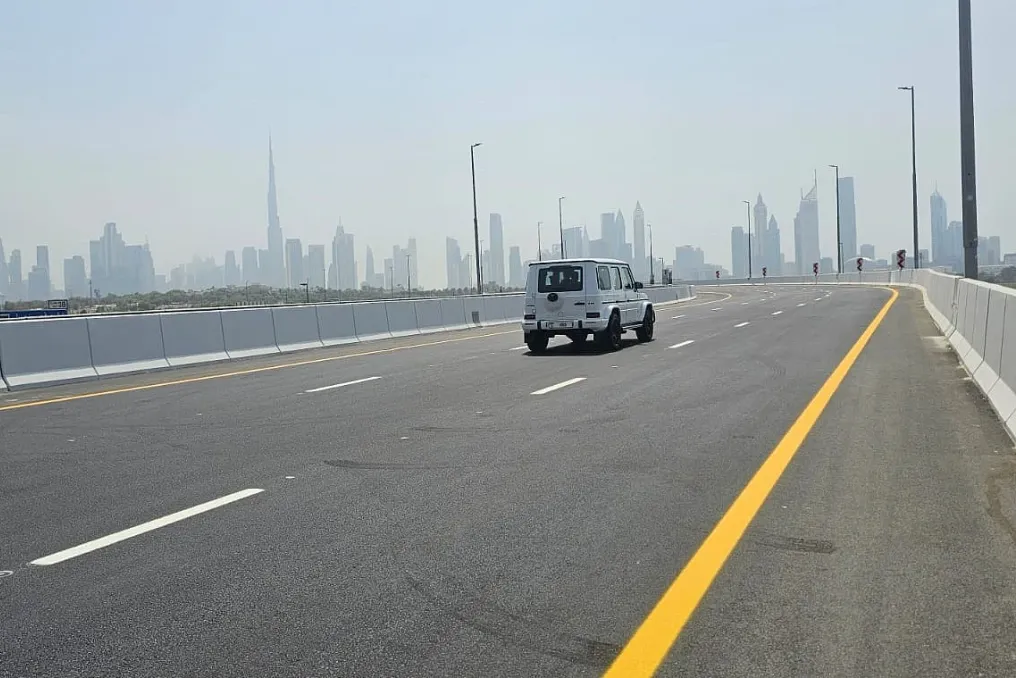
The journey was smooth thanks to clear lane markings and overhead signage. The bridge provides a wide and unimpeded connection to Al Asayel Street, which further leads to Al Hail Street and Business Bay.
The bridge was opened by the Roads and Transport Authority (RTA) of Dubai on Sunday and is part of the larger Oud Metha and Al Asayel Street Development Project. RTA predicts that this structure will reduce travel time on this route from approximately twenty minutes to five.
Driver Sameed Shah noted that the new route has become his preferred option. He lives in Abu Hail and works near Dubai Mall, planning to use the bridge regularly, which has significantly improved his daily commutes. He stated: 'It has already made a huge difference' and 'This will be my permanent route from now on.'
Abdel Rahman, an artist residing in Sharjah and working in Al Quoz, also reported an improvement in traffic flow but believes the full effect will only be apparent after residents return from summer vacation and classes resume. He added: 'We are already seeing a huge difference,' but 'we will know the real impact when everyone returns after the summer break.' He emphasized that the bridge is directly connected to one of Dubai's main roads, which should benefit many drivers.
During the Khaleej Times trip, vehicles moved continuously, unlike the previously common congestion characterized by stops and starts on this section. The width of the bridge and the open views of Downtown Dubai enhanced comfort, while clearly marked lanes allowed for easy merging maneuvers.
The new bridge connects Al Hail Street to Al Asayel Street via Al Wasl Club Street and can handle up to 3600 vehicles per hour. According to RTA data, the Oud Metha and Al Asayel Street Development Project is 90 percent complete. The opening of two tunnels and one more bridge is planned by the end of August.
Upon completion of the entire project, improvements are expected at four major intersections, a 50 percent increase in the capacity of Oud Metha Street, and a 75 percent reduction in travel time. The broader scope of work will benefit residential and commercial areas such as Zabail, Al Jaddaf, Oud Metha, and Umm Hurair, as well as key facilities including Latifa Hospital and Al Wasl Club. RTA forecasts that by 2030, the project will serve a population exceeding 420,000 people.
A large-scale modernization of four main intersections is underway in Dubai. These works include the construction of new bridges, tunnels, additional lanes, and service roads, which is intended to significantly improve traffic movement on the city's busiest routes.
These construction works are part of the Oud Metha and Al Asayel Street Development Project. It covers roads connecting Oud Metha Street, Sheikh Rashid Street, Al Asayel, Al Wasl Club, Al Hail, and the Dubai-Al Ain Road. It is expected that this project will reduce travel time from twenty minutes to five, serving important areas such as Zabeel, Al Jaddaf, Oud Metha, and Umm Hurair.
A new three-lane bridge has already been opened. Furthermore, the construction of two tunnels and one more bridge is planned, which should be completed by the end of August.
Oud Metha and Sheikh Rashid Intersection
The modernization of this section aims to optimize traffic flow towards Al Gharhoud Bridge, the Dubai-Al Ain Road, and Bur Dubai. An additional left lane will be added to the exit from Oud Metha Street onto Sheikh Rashid Street towards Al Gharhoud Bridge, increasing the ramp capacity to 1800 vehicles per hour. The service road on Sheikh Rashid Street between the existing bridge and the exit to Al Zahrawi Street will be improved to reduce traffic crossings and enhance road safety. Additionally, the number of right-turn lanes from Sheikh Rashid Street to Oud Metha Street towards the Dubai-Al Ain Road will increase from two to three, allowing the capacity of this direction to increase to 4000 vehicles per hour. A tunnel will be built to connect the service road of Oud Metha Street with the Sheikh Rashid Street intersection for drivers heading to Bur Dubai.
Oud Metha, Al Asayel, and Al Wasl Club Intersection
The development of this intersection includes the construction of three bridges, which will improve connections between Al Asayel Street, Al Wasl Club, and Al Hail. A two-lane bridge will provide movement from Al Asayel Street to Al Wasl Club Street. A three-lane bridge will be used for traffic moving from Al Hail Street to Al Asayel Street. A separate two-lane bridge will be designated for the left turn from Al Asayel Street onto Oud Metha Street, with a capacity of 2400 vehicles per hour. The access road to Al Wasl Club will also be improved, and the club's entry and exit points will be modernized to reduce congestion.
Al Wasl Club and Al Hail Intersection
The work at this intersection aims to improve traffic flow towards Al Hail Street and the Business Bay crossing. A two-lane bridge will serve cars traveling from Al Asayel Street to Al Hail Street towards the Business Bay crossing, accommodating up to 3000 vehicles per hour. The exit from Al Wasl Club Street onto Al Hail Street will be expanded to two lanes. A service road will be constructed on Al Wasl Club Street in both directions, and parking spaces will be provided.
Zabeel Palace Street, Al Hail, and Oud Metha Intersection
The fourth modernization will improve transport links between Al Hail Street, the Dubai-Al Ain Road, Oud Metha Street, and Al Wasl Club Street. An additional left lane will be added to the exit from Al Hail Street onto the Dubai-Al Ain Road, doubling the ramp capacity from 900 to 1800 vehicles per hour. A single-lane tunnel will serve traffic heading from the Dubai-Al Ain Road to Al Wasl Club Street, accommodating 1200 vehicles per hour and helping to reduce congestion. The existing bridge from Al Hail Street to Oud Metha Street will be expanded from two to three lanes, increasing its capacity from 2200 to 3300 vehicles per hour. This project is part of the Sheikh Rashid Corridor Development Project and aims to support urban expansion and population growth in Dubai.
The Roads and Transport Authority (RTA) announced that after the completion of the Oud Metha and Al Asail Road Development Project, travel time along a key corridor in Dubai will be reduced from twenty minutes to just five. This project is nearing completion, having reached 90 percent readiness.
As part of this development, a large three-lane bridge was commissioned on Sunday, July 26. It is intended for motorists traveling from Al Hail Road towards Al Asail Street via Al Wasl Club Street. This bridge has a capacity to handle 3600 vehicles per hour.
According to the authority, two tunnels and another bridge are planned to open by the end of August. The first tunnel will connect the service road on Oud Metha Street with the Sheikh Rashid Road intersection for drivers heading to Bur Dubai. The second tunnel will serve traffic coming from the Dubai-Al Ain Road towards Al Wasl Club Street, which should alleviate existing congestion.
A separate bridge will also open to facilitate left turns from Al Asail Street onto Oud Metha Street. Mattar Al Tayer, CEO and Chairman of the RTA Executive Council, stated that the project includes the modernization of four major intersections, the construction of two tunnels and bridges totaling 4.3 km, as well as 14 km of roads.
These works aim to improve traffic flow between Oud Metha Street, Sheikh Rashid Street, Al Asail Street, Al Hail Road, and Dubai-Al Ain Road. Improvements include additional lanes, new service roads, and modifications to several exits and access points. Once completed, the bridges and tunnels will increase capacity at key entrances, reduce traffic jams, and improve access to Al Wasl Club and surrounding residential and service areas.
The development will support several residential, service, and construction areas, including Zabail, Al Jaddaf, Oud Metha, and Umm Hurair, as well as Latifa Hospital and Al Wasl Club. It is expected that the population of the areas covered by the project will exceed 420,000 people by 2030. Furthermore, the project will allow for a reduction in travel time by up to 75 percent.
Earlier, in the first quarter of 2026, the RTA commissioned two other bridges under this project. The first is located at the intersection of Oud Metha Street, Al Asail Street, and Al Wasl Club. This two-lane bridge accommodates 2400 vehicles per hour and serves traffic traveling from Al Asail Street to Al Wasl Club Street. The second bridge is located at the intersection of Al Wasl Club Street and Al Hail Road and is for motorists traveling from Al Asail Street to Al Hail Road towards Business Bay Crossing.
For many residents and workers in the Business Bay, Barsha Heights, and Al Quoz areas, the most frustrating part of daily commutes is not the distance, but the process of entering Dubai's congested main roads.
Dubai plans to solve this issue with the recently approved Al-Haal Street Development Plan. This plan involves creating a 15-kilometer elevated corridor with three lanes in each direction, running parallel to Sheikh Zayed Road. Construction is scheduled to begin in the third quarter of 2027 and be completed by the fourth quarter of 2030.
According to Dubai authorities, the new corridor will provide access to approximately 2.6 million people, improve connectivity to Al Barsha, Al Quoz, Business Bay, and Meydan, increase road capacity by about 9,000 vehicles per hour, and, most importantly, reduce travel time on Sheikh Zayed Road by 51 percent during peak hours.
An analysis by A Khaleej Times shows that Al-Haal Street serves a different function compared to Dubai's two main north-south highways. While Sheikh Zayed Road is designed for the rapid movement of large volumes of traffic across the city, Al-Haal Road itself acts as a high-speed bypass, passing through numerous residential and commercial zones where daily routes begin and end.
This corridor crosses areas such as Business Bay, Al Quoz, Barsha Heights, Green Zones, and Meydan—places where people live, work, study, receive deliveries, and use taxis daily. Unlike major city highways that primarily serve transit traffic, Al-Haal connects neighboring communities, becoming an important route for shorter daily journeys.
Mohammed Arif, a finance specialist residing in Business Bay and working in DIFC, noted that despite the short distance between home and office, the main difficulty lies in exiting Business Bay during peak hours. He emphasized that sometimes the time spent just reaching Sheikh Zayed Road exceeds the actual travel time, and the new corridor could significantly simplify these short daily trips.
Residents of Barsha Heights have also expressed hope for an additional north-south route. Anjali, who commutes daily from Techom to Business Bay, stated that she usually has to choose between Sheikh Zayed Road and Al Haal Road depending on the traffic. She believes that having another major corridor will distribute cars across more roads, and saving even 10 or 15 minutes a day would be a significant improvement.
Ridwan Ahmed, who works in Al Quoz and lives in JLT, sees the problem not so much in the distance as in bottlenecks. He reported that even when leaving the office on time, he spends a lot of time trying to reach the main roads. He believes that improving connectivity around Al Quoz and adjacent areas will make journeys less stressful.
Taxi drivers who spend most of their day on Dubai's roads believe the project could improve short trips between neighboring areas and allow them to arrive faster at online ride requests. Sajid Rasul, who has been driving a taxi in Dubai for over ten years, noted that many passengers travel only between places like Business Bay, Al Quoz, and Barsha.
He added that they often have to use Sheikh Zayed Road now because it is the faster option. If Al-Haal becomes a smooth corridor, many of these short trips will not require using the main highways, which will also help distribute traffic across the entire road network. Delivery personnel also noted that they sometimes choose longer routes on the highways because stopping at multiple traffic lights can take more time during busy periods. Shahid Hussain, who handles food delivery across central Dubai, said that if Al-Haal becomes a smoother route, it will help deliver orders to customers faster during peak hours.