A woman from Gqeberha, who initially expected to have to resort to expensive procedures for conception, is now expecting a baby girl in September after a natural pregnancy.
A woman from Gqeberha, who initially expected to have to resort to expensive procedures for conception, is now expecting a baby girl in September after a natural pregnancy.
Cari-Ann Bloom, 34, almost gave up because the R50,000 operation performed to remove endometriosis from her uterus did not result in a baby. When she and her husband JP accepted the idea that they would never have children and planned a year of concerts and a trip to Cape Town, they were surprised to discover she was pregnant.
Bloom is 33 weeks pregnant, and the couple plans to name the girl Lily. She had never seen a positive pregnancy test before January.
The couple started trying to conceive around 2021. After her husband was examined and found to be healthy, monthly cycles yielded the same result for four years. Bloom shares that every period overshadowed her day, causing a feeling of failure while watching pregnant women.
Attention turned to her, and an ultrasound of the uterus showed what her fertility doctor initially mistook for a cyst—it was endometriosis. This condition occurs when tissue similar to the lining of the uterus grows outside of it, causing pelvic scarring and blockage of the fallopian tubes.
The World Health Organization estimates that this disease affects about one in ten women of reproductive age, and since diagnosis often requires laparoscopy, women often wait years to get confirmation.
Pain has been a constant companion for Bloom since adolescence, and she was told she had to live with it. She recalls being told that painful periods were just part of womanhood, when in reality, it was a warning sign.
Last March, she underwent a laparoscopic surgery scheduled for an hour. However, the operation took almost two and a half hours. The surgeon discovered endometriosis in the abdominal fat tissue even before reaching the uterus and determined that one of her fallopian tubes was blocked.
After reviewing the video recording of the operation, which showed dark spots on her uterus, Bloom noted that these spots were 'burned out'. Medical insurance did not cover the bill. The couple paid about R20,000 before the operation, and then received an additional bill due to the length of the procedure, amounting to between R40,000 and R50,000.
Recovery required four or five incisions, hospital stays, and daily injections of anticoagulants into the abdomen near the wounds. Her husband, JP, could not help her get out of bed to use the toilet. She was told to expect pregnancy within six months, as the chances improved after removing deposits and opening both tubes.
However, nothing happened after six months. The next step was in vitro fertilization, and by then, years of attempts, cycle tracking, and monthly disappointment had strained the marriage. Bloom admitted that they were drifting apart because their intimacy was limited to trying to get pregnant.
Around September, she told her husband she could no longer continue. In December, the couple had a good month without stress. In January, Bloom felt changes in her mood, and it was JP who asked her about her last period. She was two weeks late. Since the Clearblue tests ran out, she bought a store brand test, which showed a faint line. After visiting two stores, Clicks and Dis-Chem, she found a test that clearly displayed the word 'pregnant'. They looked at it, and she wondered if it was real.
Her advice to other women with endometriosis is to get tested and stop counting days. Fertility specialists warn that stress is not proven to be a cause of infertility, and relaxation is not a cure for this condition. She currently has no complications, and all tests have come back successfully. Birth is expected around mid-September. Bloom added that the sound of the baby's heartbeat will stay with her forever, and it will be a very special girl.
In today's fast-paced world, where constant activity prevails, it has become common to sacrifice sleep for work tasks, content consumption, or socializing. However, this lifestyle can lead to serious health problems because sleep is a biological necessity responsible for tissue repair, hormone balancing, and strengthening the immune system.
Researchers analyzed over 47 million sleep records using clinical data to paint a picture of the modern sleep problem. According to this data, one in three adults regularly does not get enough sleep.
The most acute and dangerous consequences of chronic sleep deprivation manifest in the cardiovascular and metabolic systems. People who sleep less than six hours per night have a 1.7 times higher risk of developing diabetes and a 1.3 times higher probability of ischemic heart disease compared to those who get the recommended seven to eight hours of sleep.
This process develops quickly. After just one night of poor sleep, the body begins producing more hunger hormones, prompting people to make unhealthy food choices. Over time, this contributes to weight gain, increasing the overall risk of obesity by 41%. By the end of the first week of short sleep, blood pressure rises and glucose levels are disrupted, paving the way for long-term chronic diseases.
There is a well-established bidirectional link between sleep and mental state. When a person sleeps less than six hours, the brain's ability to regulate emotions and process cognitive information is impaired. Data shows that sleep lasting less than six hours is associated with a 1.2 times higher likelihood of moderate or severe depressive symptoms. Broader studies indicate that less than seven hours of sleep increases the risk of depression by 86%.
After a week of sleep deprivation, symptoms of anxiety and depression naturally worsen. By the month, memory, concentration, and overall immunity noticeably decline. If this pattern continues for a year, the risk of chronic fatigue and even psychosis increases.
Sleep deprivation negatively affects not only internal well-being but also the safety of oneself and others. Lack of sleep directly reduces alertness, attention, decision-making ability, and reaction time. When sleep drops to four or five hours per day, the risk of being involved in a traffic accident increases by 4.3 times. Severe sleep deprivation can impair driving skills to a level comparable to exceeding the legal blood alcohol limit.
The most alarming consequence of regularly sleeping less than six hours is an increased risk of early death. People who sleep less than seven hours and maintain an irregular sleep schedule face a 22% higher mortality risk compared to the average population.
However, there are encouraging aspects for those willing to change their habits. Sleep is one of the most modifiable factors affecting health. Increasing sleep duration to seven hours or more and maintaining a consistent bedtime allows for a 24% reduction in mortality risk. This effectively compensates for the damage done, returning health risks to an average level and proving that it is never too late to consider sleep as the most powerful preventive measure in biology.
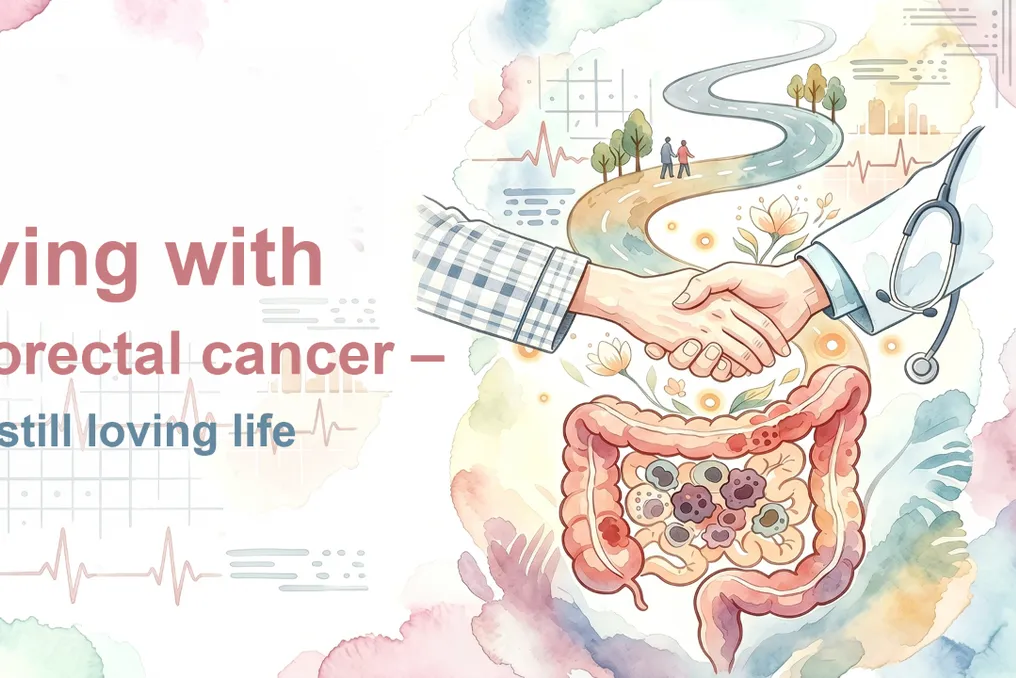
The death of renowned Japanese novelist Keigo Higashino, aged 68, from colorectal cancer has caused a wide resonance among readers worldwide and has once again drawn public attention to colorectal cancer, which is one of the most common types of cancer globally.
According to data from the World Health Organization, colorectal cancer, or colon cancer, ranks third in prevalence worldwide, accounting for about 10% of all global cancer cases.
Beyond the sorrow associated with this news lies an important health message: colorectal cancer often develops unnoticed from benign polyps over many years, making regular screening extremely necessary. In a previous interview with CGTN, gastroenterology expert Dr. Li Guoxin emphasized that lifestyle and timely detection are key factors.
He noted that maintaining a balanced diet, limiting processed food consumption, and undergoing colonoscopy on time—especially for individuals over 40 or those with a family history—can significantly reduce the risk of developing the disease. The article also highlights stories of patients with colorectal cancer, their loved ones, and the doctors who support them, exploring complex solutions and unwavering dedication.