Infection with the hepatitis B virus (HBV) remains one of the most pressing public health issues in China and is a priority for national infectious disease control. According to the China CDC, approximately 75 million people in the country live with chronic HBV, accounting for about one-third of the global figure.
Priorities in Combating Hepatitis B
Since chronic hepatitis B can silently progress to liver cirrhosis and hepatocellular carcinoma, early intervention, screening, and population protection have become urgent public health tasks. This urgency coincides with World Hepatitis Day, observed annually on July 28, reflecting the commitment to meet the WHO target of eliminating viral hepatitis as a major health threat by 2030.
Strengthening Early Infant Protection
Historically, China's fight against HBV has relied on early childhood immunization. Since the inclusion of the hepatitis B vaccine in the national immunization program in 1992 and the introduction of free newborn vaccination in 2005, the country has established a highly effective pediatric protection system. According to pediatric specialist Yao Fengli from the Fifth Medical Center of the PLA General Hospital, infants infected before one year of age face a risk of developing chronic HBV of up to 90%. The main barrier against mother-to-child transmission remains the administration of a birth dose within 24 hours, followed by secondary doses at one and six months.
Long-term monitoring data demonstrate the effectiveness of these measures: coverage of the full three-dose series of hepatitis B vaccination among newborns reached 99.6%, and the rate of timely administration of the birth dose was 95.6%, compared to the global average of 85%. According to the China CDC, the prevalence of hepatitis B surface antigen (HBsAg) among children under five years old has decreased to 0.3%, and the overall prevalence among individuals aged 1 to 69 years has dropped to 5.86%.
Addressing Adult Issues and Screening Gaps
Despite the achievements, gaps remain in the immunization of the adult population. A study published in the journal Vaccines between 2011 and 2021 showed that the average hepatitis B vaccination rate among Chinese adults was only 26.27%, and among those over 40, it was 17.09%. Pan Hongying, head of the Infectious Disease Department at Zhejiang Provincial Hospital, noted that many adults are unaware of their infection status until the liver disease reaches an advanced stage, emphasizing the need for regular blood tests and booster doses for adults.
To address these shortcomings, nine government departments have jointly developed a national action plan to combat viral hepatitis for the period 2025–2030. This plan adopts a life-cycle approach, combining sustained coverage in pediatrics with expanded adult screening and community-level access. At the primary healthcare level, local medical centers are reforming service delivery. In Zhejiang Province, a 'one-stop consultation' model is being tested in local clinics, where general practitioners assess clinical needs, lifestyle risk factors, and vaccination status during a single visit, offering medical care alongside nutritional advice and vaccination referrals.
Breakthroughs in Treatment and Expansion of Options
Parallel to these efforts, vaccine diversification and therapeutic breakthroughs are transforming the treatment landscape. The return of imported hepatitis B vaccines to the Chinese market—with the first doses administered in Yunnan and Shanxi provinces—provides families and adults with a wider choice of long-term protection alongside high-quality domestic vaccines.
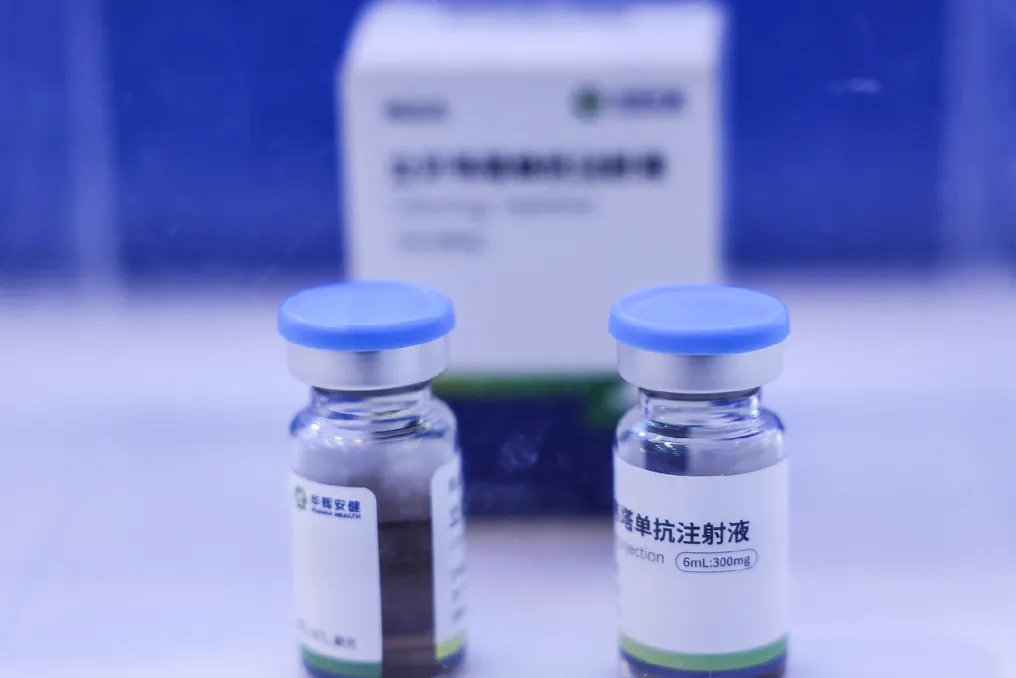
In terms of therapy, hepatitis treatment benefits from a broad surge in domestic pharmaceutical innovation. According to the Ministry of Industry and Information Technology, 38 innovative drugs were approved for market release in China in the first half of 2026, with domestic developments accounting for over 80%. Among these was the world's first antibody against hepatitis D virus (HDV) aimed at treating severe co-infection.
This domestic progress is also reflected in unprecedented international biopharmaceutical integration. Data from the National Medical Products Administration show that Chinese biopharmaceutical companies concluded 81 overseas licensing deals worth approximately $110 billion in the first six months of 2026 alone, representing 80% of the total volume from the previous year. These agreements cover 10 major therapeutic areas—including oncology, metabolic disorders, immunology, and neurology—and primarily involved acquisitions by pharmaceutical companies from more than 20 countries and regions, including the USA, the UK, France, and Italy.