Honda and the Chinese state-owned group GAC have formalized the renewal of the GAC Honda Automobile contract, a collaboration that the Japanese automaker has maintained in China since 1998. This new agreement, announced by Honda China on July 20, extends the partnership's validity until 2038, maintaining a 50% equity split for both parties.
Details of the Contract Renewal
The initial contract, set to last 30 years, would have ended in 2028. With the renewal signed in early July, ten years are added to this term, totaling twelve years if counted from the signing date. This extension is significant because there were recent market speculations that Honda might be withdrawing from China.
Context of Challenges in the Chinese Market
Doubts about Honda's permanence were based on financial results: in the first half of 2026, GAC Honda recorded deliveries of 68,318 vehicles, representing a sharp drop of 55.8% compared to the same period last year. In June, sales reached 14,099 units, a setback of 53%, while production plummeted by over 83%, settling at only 5,201 cars.
Industry analysts in China suggested that negotiations might have stalled due to GAC's pursuit of greater control over the venture. This scenario is not isolated; brands resulting from joint ventures between international automakers and Chinese groups are rapidly losing relevance under the pressure of price wars and the growth of local manufacturers specializing in electric and hybrid vehicles. Data from the CPCA association indicates that retail sales of these brands fell by 34% in June compared to the previous year. Furthermore, another major contract, that of SAIC-GM, which is also completing 30 years, has its expiration scheduled for June 2027 and is currently under negotiation.
Shift in Collaboration Model
The previous partnership format relied on technology transfer from Japan to China. However, the new arrangement involves joint operation in various areas, including product definition, research and development, and supply chain management. This marks a transition from a 'receiving technology' model to a 'co-creating technology' model, which the Chinese press has dubbed the era of 'joint ventures 2.0'.
Future Projects and Corporate Structure
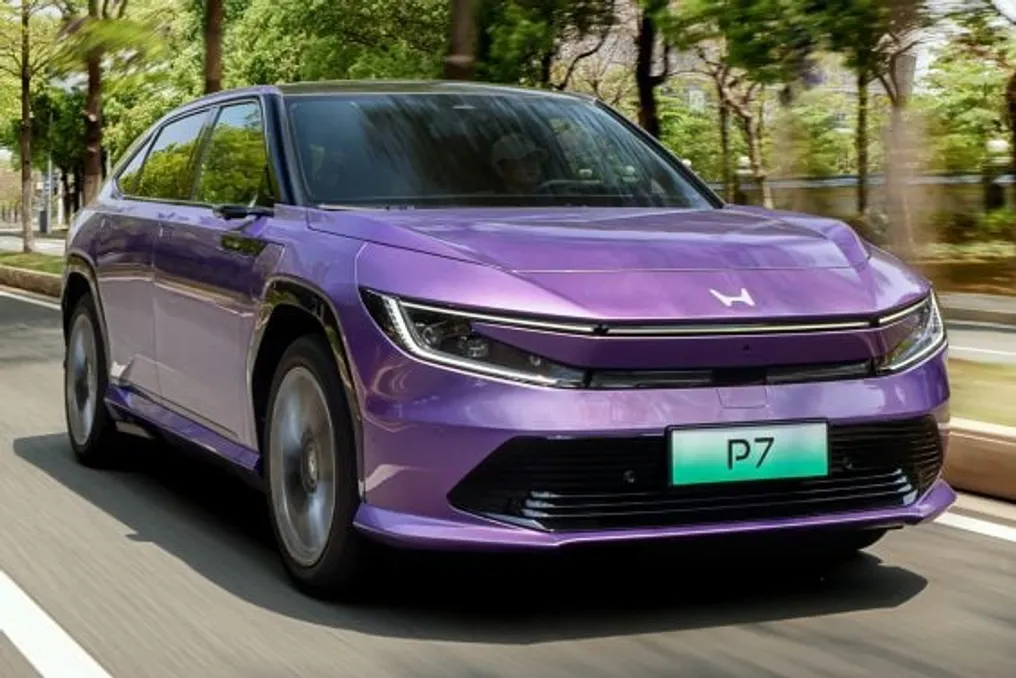
By 2027, GAC Honda plans to launch three new models: an updated version of the Accord, a vehicle equipped with Honda's fifth-generation i-MMD hybrid system, and an internally developed car using an electrified platform specifically aimed at the Chinese consumer. The operation, initially named Guangzhou Honda, was established in July 1998 and constituted Honda's first joint venture for automotive production and sales in China. The factory located in Guangzhou, Guangdong province, began operations in March 1999 and has already accumulated deliveries of over 11 million vehicles, covering sedans, SUVs, minivans, and electric models.
In terms of corporate composition, GAC holds 50% of the shares, Honda Motor holds 40%, and the Japanese company's Chinese investment arm accounts for the remaining 10%. For the Brazilian public, GAC is not unknown, as it began commercial operations in Brazil in 2026 with the Aion UT and Aion V electric models, in addition to the GS3 SUV, and plans to start local production from 2027.