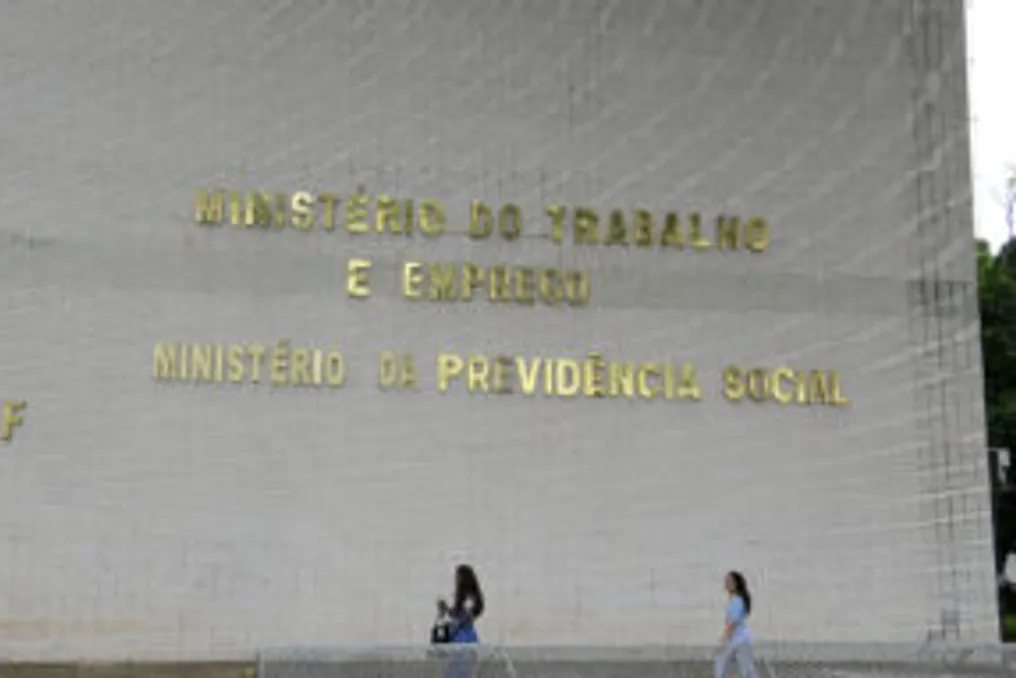
The Computerized Professional Registration System (Sirpweb), belonging to the Ministry of Labor and Employment (MTE), has been offline for over two weeks, with no scheduled date for its restoration.
The Computerized Professional Registration System (Sirpweb), belonging to the Ministry of Labor and Employment (MTE), has been offline for over two weeks, with no scheduled date for its restoration.
This platform is used to issue professional registration in various regulated occupations, including journalist, radio broadcaster, and occupational safety technician. The registration, which was previously done in the work card, grants the worker legal permission to practice their activity.
When attempting to access the service, users receive a notification indicating that the system is under maintenance, without providing details about the cause or a timeline for normalization. Although Tecnoblog verified the alert on Tuesday night, July 28, reports on other platforms indicate that the problem started earlier.
The page @segurancadostrabalhos on Instagram published a video on Wednesday, July 22, informing that Sirpweb had been unavailable for over a week. For occupational safety technicians, this system is essential for new professionals to operate in the field. Furthermore, complaints have been registered on Reclame Aqui since July 17, with one user reporting lack of access for over seven days in a complaint dated July 20.
There are also reports from users on Twitter. In a post dated July 24, a citizen mentioned that the system had been inaccessible for over two weeks, totaling about 18 days of platform interruption.
The MTE has not issued an official statement regarding the situation. The ministry advises citizens to use the Fala.BR platform, part of the Gov.br system, to register complaints and grievances. Another suggested channel is the phone number 158; however, online reports indicate that workers have also faced difficulties obtaining assistance through this channel.
When contacted by Tecnoblog, the MTE did not respond to the email sent before the article's publication, leaving open the possibility of a statement regarding the occurrence.
According to the BIMCO-ICS Seafarer Workforce Report 2026, India has become the second largest country supplying seafarers globally, accounting for 12.2% of the world's maritime personnel.
The Philippines maintains its status as the largest supplier of seafarers on a global scale. This report, which is published every five years, is recognized by the global maritime industry as the most authoritative assessment of supply and demand in the maritime personnel sector.
The report notes that the share of Indian seafarers has doubled over the past five years. One official representative stated that the BIMCO-ICS report is the most reliable, and all maritime powers follow it. India's strength is particularly noticeable in the officer category.
India supplies over 140 thousand officers, which accounts for 13.4% of the global number of officers. Additionally, 170 thousand ratings provide 11.29% of the total crews working on merchant vessels.
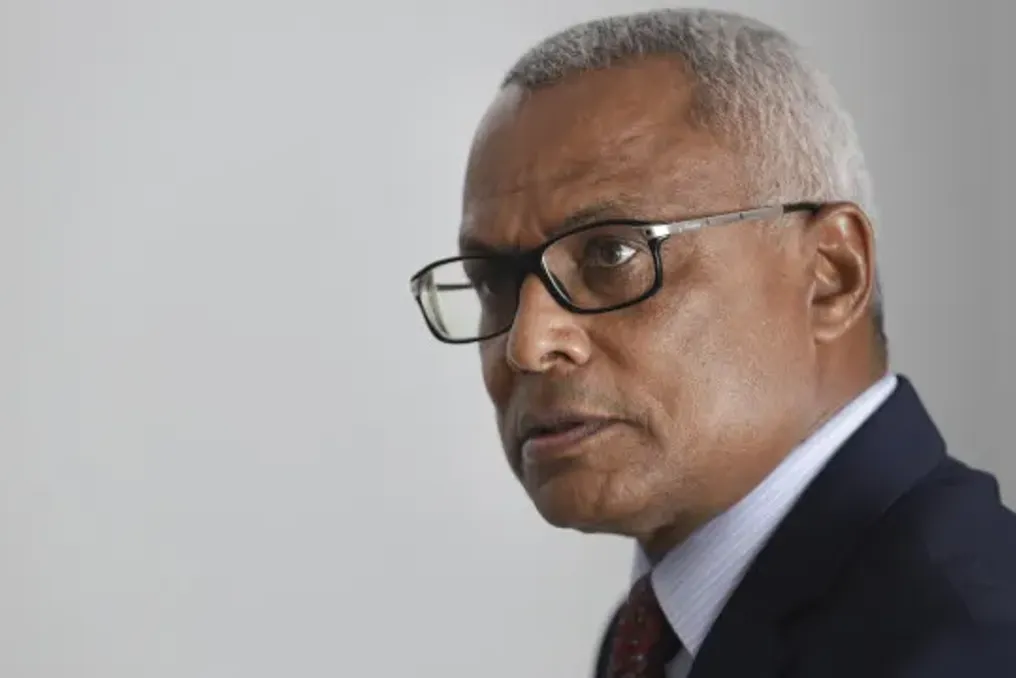
José Maria Neves, the head of state, stated the necessity of state regulation of national volunteering. He emphasized the importance of creating foundations for encouraging, stimulating, and rewarding citizens participating in volunteer activities.
Neves proposed that deserving young people demonstrating strong civic commitment should receive advantages when applying for public service, in career development, or when receiving scholarships.
The head of state also noted the need to strengthen the civic activity of the population in various spheres, especially concerning democracy, freedom, and human dignity. He recalled the fifty-year journey of the Cape Verde Red Cross (CVCV), which has proven itself an indispensable partner to the state and communities.
According to the president, the Red Cross has always provided assistance in healthcare, education, natural disasters, and storms, attracting a large number of young volunteers who actively contributed to strengthening solidarity and community development.
During the ceremony, the head of state transferred authority to Arlindo de Carvalho, who was re-elected as president of the CVCV for a four-year term, and also handed over powers to the vice-president and members of the High Council. During the event, Arlindo de Carvalho presented the main directions of work for the new period.
He reported that all these directions are closely linked to communities and people, based on the current situation. Among the priority areas named were health and well-being, good governance, strengthening institutional capacity, and, above all, financial and institutional sustainability.
Earlier, in July, the Minister of Family, Integration, Social Development, and Labor, Adélsia Almeida, announced that the government is considering revising the Volunteering Law, which has been in effect for 16 years. The goal is to analyze the document with partners and adapt the regulatory framework to new social realities.
The minister also plans to revive the proposal to create a 'volunteer passport'. This document is intended to register volunteer participation, recognize their experience on resumes, and provide them with benefits, including preferential access to goods and services.
Ana Hopffer Almada, president of the Donan Foundation of Cape Verde, which launched the foundation's volunteering program, stated that the goal is to expand the circle of participants. She noted that they decided to officially formalize this program, create a volunteer card and a database to increase the visibility of volunteers, as they require many volunteers.