Tensions between the US and Iran have escalated, with both countries conducting attacks on each other's facilities over the past six days. The US is working on a strategy to weaken Iran economically, so the attacks are directed at places that are economically important to Iran.
US Statements and Attacks
On Thursday evening, US President Donald Trump stated that Iran wishes to negotiate as attacks against it intensify. However, he specified that the shelling will only cease after Iran agrees to US terms.
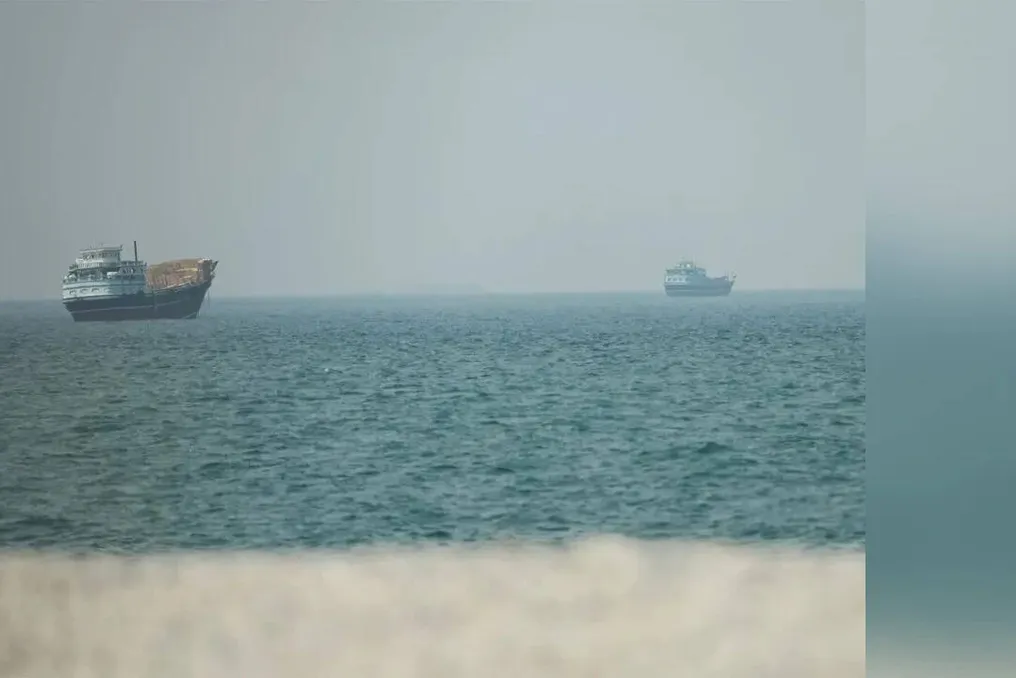
The US is currently targeting areas of the Chabahar port. As a result of one of the attacks, a landmark maritime traffic control tower in the Chabahar port was reduced to ruins. According to the Iranian agency Fars News, the tower that monitored ships passing through Chabahar was destroyed by American strikes.
Port's Significance for India
The Chabahar port is Tehran's main maritime gateway and does not pass through the Strait of Hormuz. Repeated attacks on the traffic control system here could cause disruptions in shipping. The economic damage from US attacks will also affect India, as India has significant investments in Iran, particularly in the Chabahar area.
India's investments in Iran are primarily related to strategic connectivity and infrastructure. For India, Iran is important as a route to access Afghanistan and Central Asia, bypassing Pakistan. Investments in the Chabahar port hold immense geopolitical significance for India, as they provide a direct route for trade with Central Asia and Russia via the International North-South Transport Corridor (INSTC).
Scale of Indian Investments
Investments can be divided into two main areas. Firstly, this is the development of the Chabahar port. This is India's largest and most strategically important project in Iran. India has expressed a willingness to invest $120 million (about 1000 crore rupees) in the development of the Shahid Beheshti terminal in the Chabahar port. The Indian government officially confirmed in parliament that these 400 crore rupees were fully approved during the 2025-26 fiscal year. Furthermore, India previously invested about $85 million to purchase heavy equipment, such as cranes and cargo handling machinery, for the development of Chabahar.
Secondly, there is the Chabahar-Zahidan railway project. India promised to provide services and financial assistance to connect the port to the Afghan border. This project was estimated at approximately $1.6 billion (about 13,000 crore rupees), but its pace of implementation has slowed down due to international sanctions.
Trade Relations and Restrictions
Despite India's strategic investments in Iran, its major commercial ventures in recent years have been limited due to US sanctions and Middle East tensions. Previously, Iran was the third-largest oil supplier to India, but after US pressure in 2019, India almost stopped purchasing oil from Iran.
Bilateral trade between India and Iran has significantly decreased due to geopolitical changes and sanctions. Currently, the trade volume fluctuates between $1.6 and $1.7 billion (approximately 13,000–14,000 crore rupees). Before 2019, when India imported large volumes of crude oil from Iran, this trade exceeded $15 billion (or 1.25 lakh crore rupees). After almost completely halting oil imports under US pressure, this figure dropped by 90%.
India exports more goods to Iran, sending about $1.24 billion annually. The basis of this export consists of basmati and non-basmati rice, accounting for about $700 million of exports. Tea, coffee, sugar, spices, medicines, organic chemicals, and light machinery are also exported.
Imports and Risks for India
India's imports from Iran have significantly decreased, amounting to about $0.44 billion annually. Among the imported goods are dried fruits, dates, almonds, and fresh fruits, as well as organic and inorganic chemicals, glass products, and some bituminous minerals.
The threat of an additional 25% tariff for countries trading with Iran, following President Donald Trump's announcement, has complicated the situation for Indian exporters. Although the Chabahar port project is strategically important for India and is immune to sanctions, which provides it with a route to Central Asia, US attacks on the port could lead to economic damage for India.