The main consequence of raising interest rates is not a change in property prices, but a decrease in the number of buyers willing and able to make deals. Higher rates reduce housing affordability and lower confidence, which ultimately leads to a narrowing of market liquidity.
Central Bank's Decision
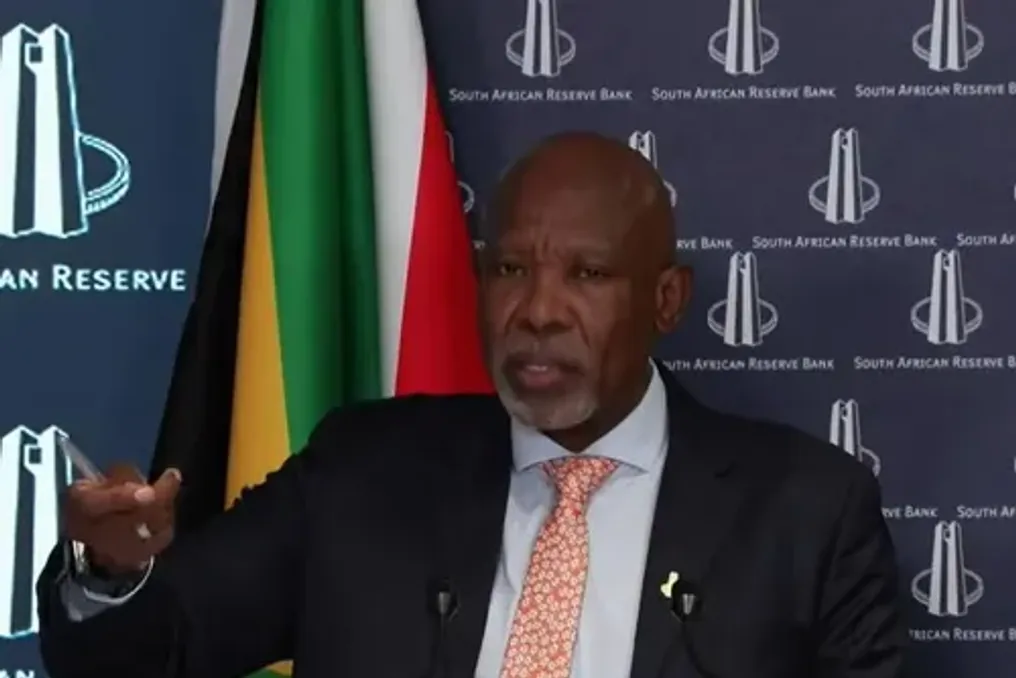
The recent decision by the South African Reserve Bank (SARB) to keep interest rates steady may have saved billions of rand in activity in the property market. Last week, the Monetary Policy Committee (MPC) decided to leave the repo rate unchanged at 7% by a majority vote, with only two out of six members advocating for a further increase of 25 basis points.
Impact of Rates on Transactions
Nick Tromp, CFO and partner at BLOK, notes that interest rates affect not only loan repayments but also the very occurrence of real estate transactions. He recalls that when SARB began cutting rates in late 2024, the number of mortgage applications sharply increased, and transaction activity started to recover.
According to Tromp, if the MPC had raised the rate by 25 basis points instead of keeping it at 10.50%, it could have prevented the withdrawal of residential transaction value estimated at 3–4 billion rand monthly from the market.
Barriers to Property Access
The CFO of Blok, a residential property developer, emphasizes that higher interest rates suppress affordability, confidence, and consequently, liquidity. He insists that the greatest impact of rates is not on prices, but on the number of buyers ready to transact.
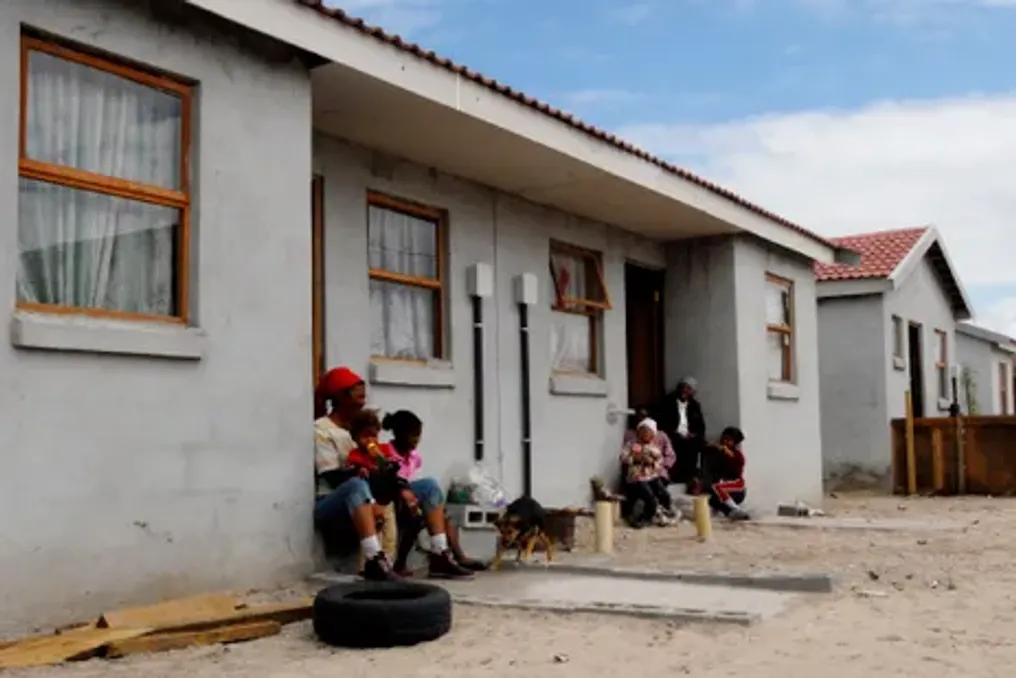
Letlatsa Leheleban, Regional Customer Service Manager at TUHF Capital, points out that property ownership has long been a reliable path to wealth accumulation, but for many aspiring homeowners and real estate entrepreneurs, entry into this market remains closed. The main problem is the lack of accessible and flexible financing.
Role of Innovative Financing
Leheleban adds that innovative financial solutions play a crucial role in changing this situation, enabling participation and allowing both new and existing players to grow. He calls for such solutions to address the equity issues that prevent many new participants from entering the property market. Subsidy programs and venture capital funds, such as the Inthuthuko Equity Fund, can help bridge this gap for first-time homebuyers and emerging investors, thereby reducing risks and stimulating broader participation.
He concludes that with effective collaboration among stakeholders, the result is a more inclusive and sustainable property market.
Changing the Approach to Housing Affordability
It was previously reported that inflation composition shows that the fastest price growth is observed in essential expenses related to owning or renting housing, which constantly undermines housing affordability. Francois Viruli, Chief Economist at Datazone, believes that housing affordability should no longer be measured by a simple comparison of house prices to household incomes. He argues that the true cost of housing includes transport, electricity, municipal charges, water, insurance, and other unavoidable living expenses.
Viruli explains that when these costs rise together, households have less disposable income left for housing payments, making both buying and renting less affordable. The chief economist also notes that South Africa's Consumer Price Index (CPI) for June 2026 shows that the rising cost of living is putting increasing pressure on households.
Current Inflation Situation
According to Statistics South Africa (Stats SA), the overall inflation rate reached 5.0% in June. Although this figure remains within the SARB's target range—from 3% to 6%—it continues to move towards the upper limit of this range.
Without innovation, according to the regional manager, the market will struggle to grow due to a decrease in new participants and increased pressure on existing players. He predicts that younger generations will enter the market later or not at all, while demand stagnates and confidence declines. Over time, this could lead to greater reliance on state-supported housing construction and an increased burden on public resources.
A financier specializing in entrepreneurs in settlements asserts that the opposite is possible with the right approach. A market that embraces innovative financing can become more dynamic, inclusive, and sustainable. It is capable of supporting a new generation of real estate entrepreneurs who not only build personal wealth but also help solve broader housing challenges.
Leheleban concludes by stating that opening up the property market does not mean lowering standards or increasing risks. It is a matter of rethinking how risks are distributed, how affordability is structured, and how opportunities are allocated. Innovative financing serves as a bridge between potential and participation and is one of the most powerful tools for building a more affordable and prosperous property sector.