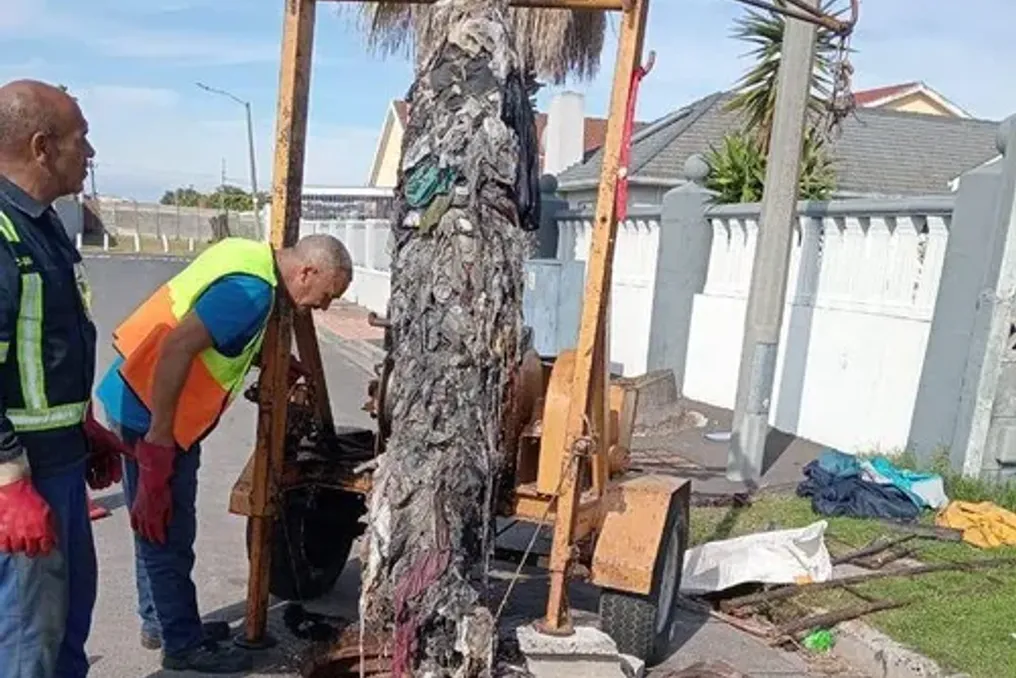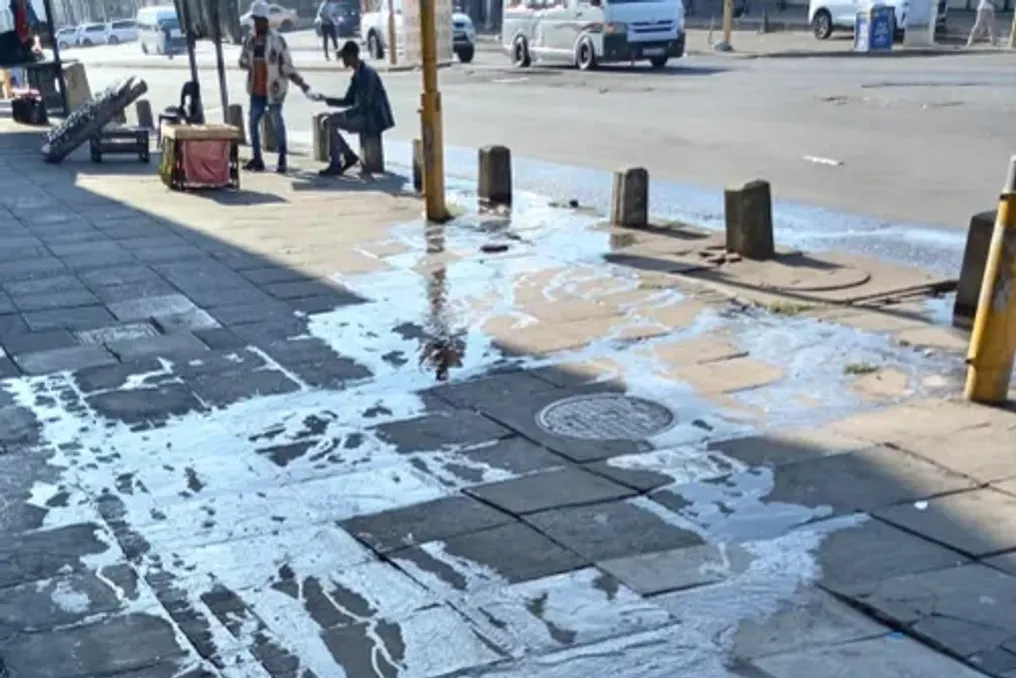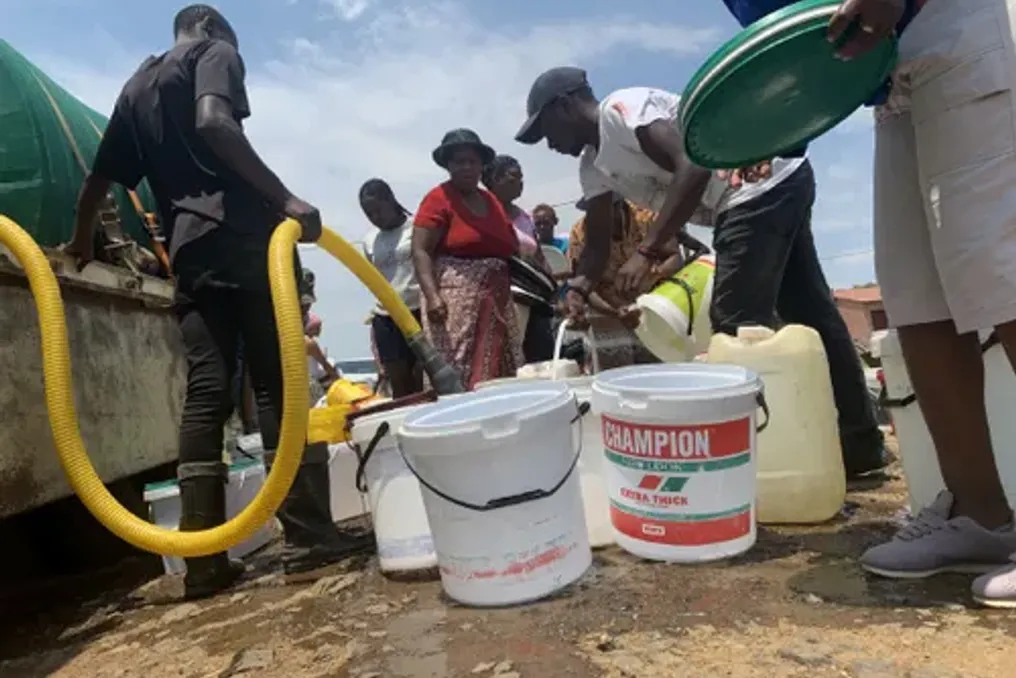
In rural areas of South Africa, there are significant challenges with water supply systems. These difficulties stem not only from a lack of infrastructure but also from limited understanding of water resources and the systems that support them. Despite substantial investments in the sector, only 64% of households in South Africa have access to reliable water supply (Department of Water and Sanitation, 2019).
Alternative Water Sources and Their Risks
Many communities rely on natural springs and boreholes as backup sources when municipal supply is unreliable. However, these sources are often developed without a comprehensive assessment of the social, ecological, and technical systems in which they are situated. This results in unstable, unsafe, and ultimately unsustainable water supply systems.
Scientific Approach and Knowledge Integration
The Council for Scientific and Industrial Research (CSIR) conducts various studies to better understand how local groundwater resources can support communities by designing viable, safe, and sustainable rural water supply systems. This work integrates hydrological, hydrogeological, engineering, and social scientific research to address the interconnected technical, social, and governance factors affecting the functioning of water supply systems in practice.
A key element of this approach is the merging of multidisciplinary technical expertise with local knowledge. CSIR's technical data is not applied in isolation; instead, local knowledge, cultural practices, and site-specific risks are incorporated into system design through structured stakeholder engagement and development facilitation processes. This integration allows for the creation of contextually appropriate solutions, such as combining springs and boreholes when necessary, adapting infrastructure to ecological constraints, and identifying social risks that could affect long-term sustainability. The result is implementable approaches that are both technically sound and grounded in local realities.
The Importance of Science for System Understanding
A crucial finding of this work is that water sources cannot be considered inherently reliable. Their suitability depends on a range of contextual factors, including hydrogeological and ecological conditions, institutional dynamics, and technical feasibility, which often require engineering solutions. For instance, spring flow can fluctuate and sometimes be insufficient to meet community needs throughout the year. Furthermore, water quality analysis shows that while chemical quality may be acceptable, microbial contamination—often linked to factors like free-roaming livestock and wildlife—is prevalent and poses a human health risk without treatment. This issue is not unique to rural communities; national Blue Drop assessments continue to reveal significant drinking water quality risks in many South African water supply systems (Department of Water and Sanitation, 2022).
Boreholes, while providing a more consistent yield, introduce additional considerations regarding long-term sustainability. These include maintenance requirements, operational costs (such as fuel or electricity), and the institutional and interpersonal dynamics between governing bodies responsible for their management. These findings shift the paradigm for rural water needs. The research demonstrates the value of integrated, multidisciplinary approaches that combine social, ecological, and technical aspects into systemic solutions, rather than relying on isolated water sources. Water sources must be understood, managed, and combined as part of a broader system, not viewed as standalone interventions.
Uneven Impact of System Failures
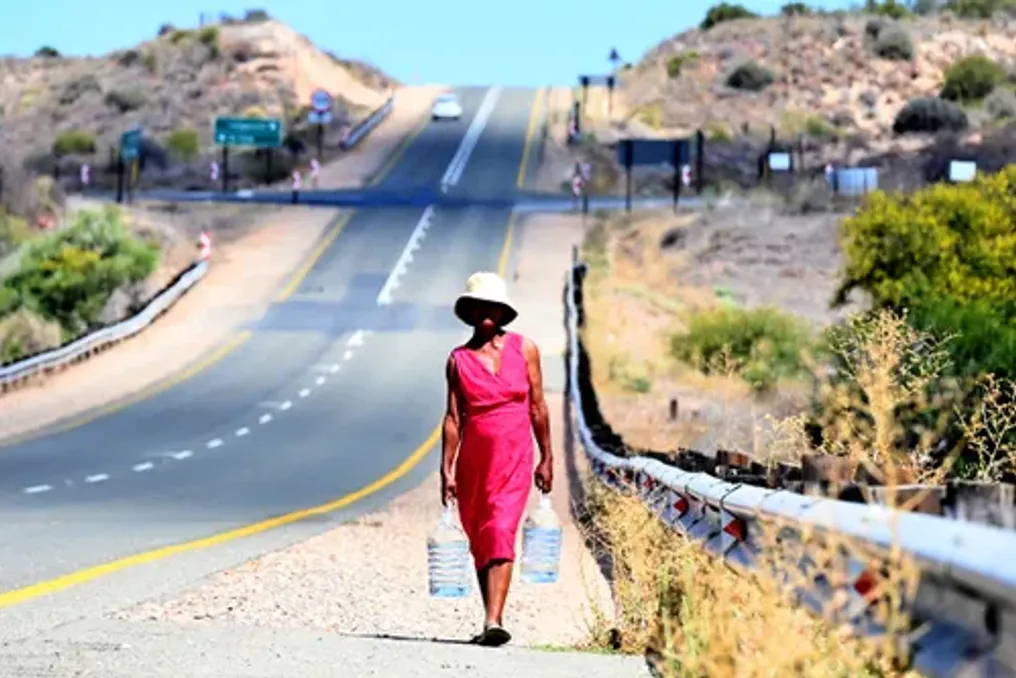
When these systems operate inefficiently, the consequences are felt unevenly. Rural studies indicate that water insecurity disproportionately affects women, children, the elderly, and people with disabilities. Globally, women and girls remain the primary collectors of domestic water in seven out of ten households dependent on water sources located far from home (WHO & UNICEF, 2023). In areas where a large proportion of households are headed by women, limited water access leads to increased time spent collecting water, higher financial burdens related to transportation or purchasing water, and increased health risks due to poor water quality.
For many households, obtaining water requires long walks to springs or purchasing water from private borehole owners or informal water vendors, especially when municipal systems are unreliable. These realities dictate how water is used, prioritized, and managed at the household level, often reinforcing existing inequalities.
From Infrastructure to Systems Thinking
While technical design is critical, the long-term success of these systems depends on governance and institutional alignment. In many rural areas, local water committees, traditional authorities, and public forums play a central role in managing shared water resources. However, where governance structures are weak, fragmented, or exclusionary, water supply systems are more likely to face issues such as poor maintenance, conflict, or vandalism.
A key lesson emerging from this work is the importance of strengthening the links between grassroots and top-down governance structures. This involves improving coordination between communities, municipalities, and service providers, clarifying roles and responsibilities, and establishing mechanisms for communication, accountability, and long-term management. Ensuring the participation of women and other underrepresented groups in decision-making structures is not only a matter of equity but also a prerequisite for system functionality. Inclusive governance helps ensure that water supply systems meet real needs, foster community ownership, and are sustained over time.
Rethinking Rural Water Supply
The findings of this work point to the need for a broader shift in the approach to rural water supply in South Africa. Water problems are often framed as issues of access or infrastructure delivery. In reality, they are equally related to how water resources are understood, how systems are designed, and how they are managed over time. When these systems fail, the consequences are not neutral—they are felt most acutely by those who are already vulnerable. Solving this problem requires moving beyond purely technical fixes toward approaches that integrate scientific understanding with social realities. Where this integration occurs, water supply systems are more likely to be reliable, sustainable, and equitable. And in such conditions, where water is delivered more stably and safely, the conditions for greater equality can begin to form.