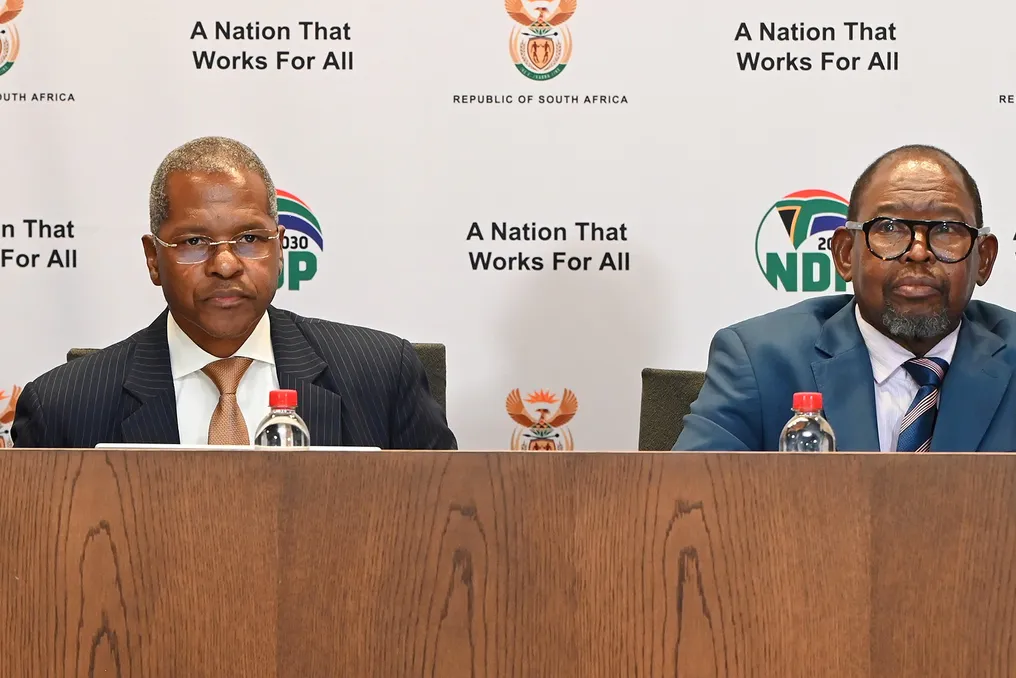
Savério Demaria, a representative of TIM, stated that the company will cautiously approach the inclusion of artificial intelligence subscriptions in its telephony packages, aiming to avoid what he calls the 'unlimited WhatsApp error.'
Concern over monetization
Demaria emphasized that TIM does not want to replicate the unlimited WhatsApp model, as that previous offer complicated the operator's ability to generate revenue. Although the two largest competitors are already exploring formats with access to AI subscriptions, TIM has not yet announced plans with this integration.
TIM's caution comes after the operator reformed its Control plans, removing WhatsApp from items that do not use the main data allowance. Demaria commented that the application 'was a business that was here to stay and, unfortunately, we could not monetize that model,' as reported by the Telesíntese portal.
New plans and offers
On another front, Thompson Gomes, TIM's head of marketing, presented the TIM Controle Fit plan. This new package focuses on providing a greater amount of internet without depending on unlimited social media. The TIM Controle Fit offers 30 GB for R$ 30 monthly (with annual commitment) or 20 GB for R$ 35 (monthly format), which is significantly cheaper than the TIM Controle Social Networks offer, which was the most affordable option among the main ones.
However, this new plan excludes the benefits of free access to WhatsApp, Instagram, and TikTok within the allowance. Official documentation confirmed by Tecnoblog indicates that these packages do not have traffic exemption for these platforms.
TIM's corporate situation
Additionally, during the presentation of second-quarter results, Alberto Griselli, TIM's CEO, addressed the corporate landscape. He guaranteed that the plan established for 2026 will be maintained, even if there is a possibility of Poste Italiane re-nationalizing the company. The Italian postal service presented a proposal of R$ 80 billion for the controlling stake of Telecom Italia, which owns the Brazilian operation. Despite this, Griselli stressed that strengthening the parent company could generate local advantages, mentioning that Poste considered the Brazilian subsidiary a 'gem.'