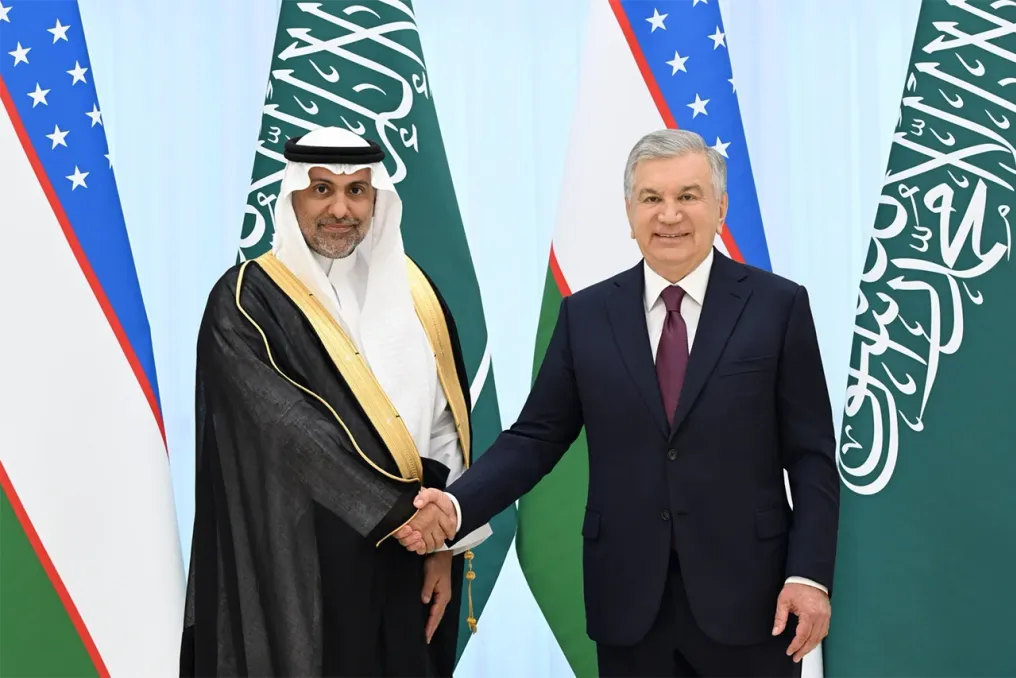
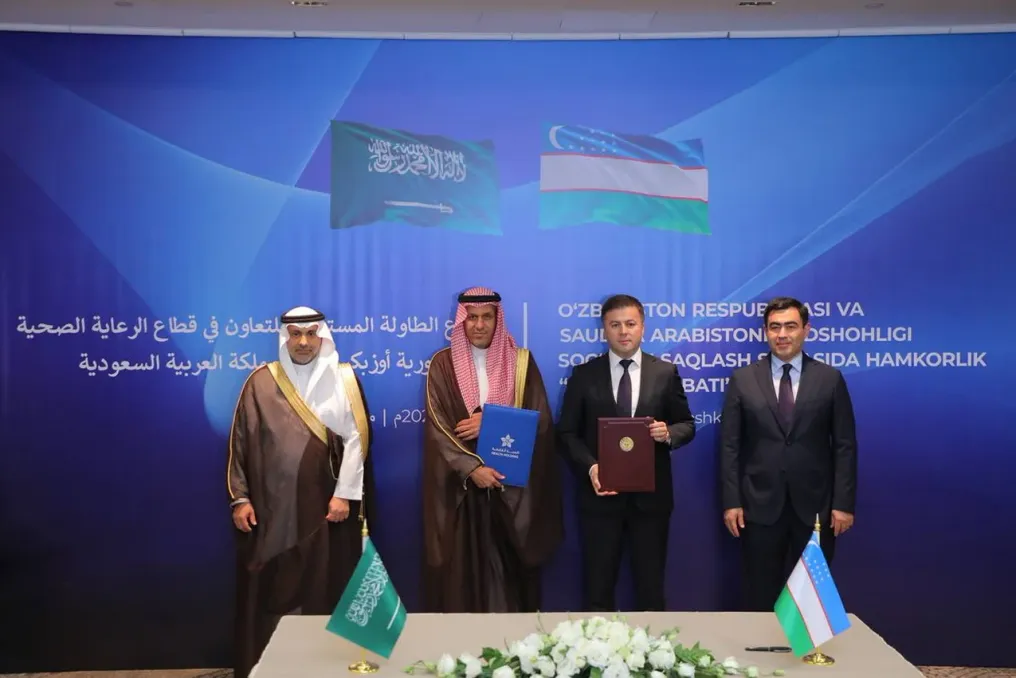
Uzbekistan and Saudi Arabia held a meeting to discuss several new projects in the field of healthcare. The discussed initiatives include the construction of a medical complex in Fergana, localization of pharmaceutical production, development of telemedicine, and implementation of digital solutions.
Meeting Details and Participants
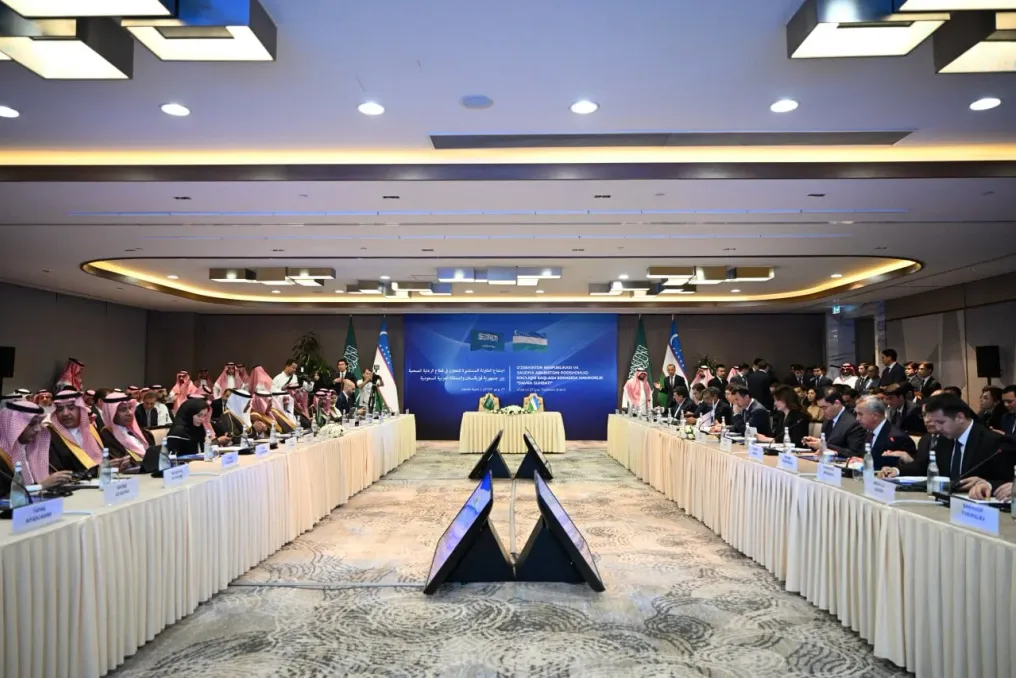
The meeting took place on July 27 in the format of a round table with the participation of representatives from both countries. From Uzbekistan, Tamila Aliyeva, Deputy Head of the Presidential Administration for Healthcare Reform, Deputy Prime Minister Jamshid Khojaev, heads of relevant ministries and agencies, as well as representatives of major medical centers were present. The delegation from Saudi Arabia was headed by Minister of Health Fahad bin Abdulrahman Al-Jaladjel.
Key Areas of Cooperation
One of the central projects is the construction of a modern multi-profile hospital with 800 beds in Fergana with the participation of Vision International Investment Company. This facility is envisioned as the basis for the Fergana Plus medical city, which will include educational and medical centers, as well as a hotel complex.
In the pharmaceutical sector, joint localization of production is planned with Jamjoom Pharma and Sudair Pharma. Cooperation with SEHA Virtual Hospital will focus on virtual healthcare and telemedicine. Together with Lean Business Services, the parties intend to implement artificial intelligence and digital healthcare solutions.
Improving Management and Insurance
Furthermore, with the assistance of Health Holding, an increase in the efficiency of managing medical institutions is planned. Support from NUPCO will be directed towards developing centralized procurement and medical logistics. Another area of cooperation will be the medical insurance system, as Uzbekistan and Saudi Arabia are considering the possibility of jointly implementing modern insurance mechanisms with the Saudi National Center for Medical Insurance.
At the conclusion of the round table, participants expressed confidence that the implementation of the intended projects and initiatives will contribute to improving the quality and accessibility of medical services for the population.