Residents of KwaZulu-Natal are preparing for harsh weather after the South African Weather Service has raised the warning for prolonged destructive rainfall to Level 6.
Residents of KwaZulu-Natal are preparing for harsh weather after the South African Weather Service has raised the warning for prolonged destructive rainfall to Level 6.
The warning is in effect on Tuesday and Wednesday and indicates an increased risk of dangerous weather conditions in several municipalities. It covers the Coastal Belt and adjacent inland areas, including settlements such as eThekwini Metro, KwaDukuza, uMhlathuze, Ray Nkonyeni, Umdoni, Mandeni, Mtubatuba, Big Five Hlabisa, uMlalazi, and Umzumbe.
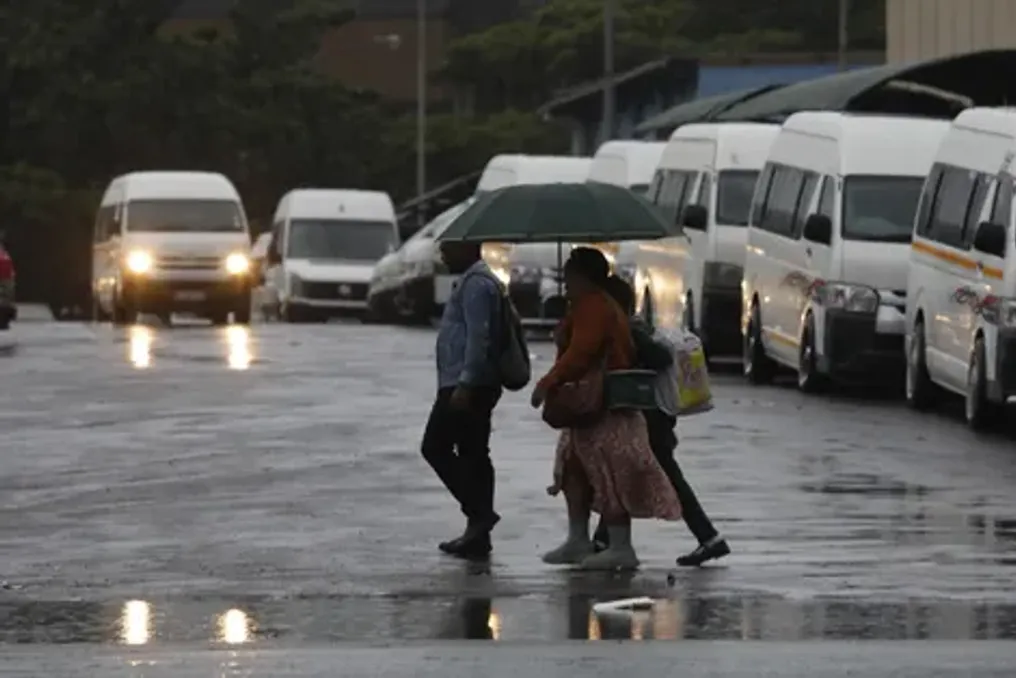
Authorities warn that intense rains could lead to the flooding of both formal and informal settlements, as well as roads, bridges, and overflowing streams. There is a threat of hazardous conditions for people's lives, especially near fast-flowing rivers and deep water. Furthermore, serious disruptions to transport movement are expected due to road flooding, as well as failures in vital municipal services such as water supply, electricity, and communication. Damage to structures, particularly mud houses, is also possible.
Reverend Tulasize Buthelezi urged drivers and pedestrians to avoid crossing flooded roads, low bridges, and fast-flowing streams, especially where the water is above ankle level. Residents of flood-prone or vulnerable areas are advised to take preventive measures: move valuables above the anticipated flood level and, if possible, move livestock to higher ground. Provincial disaster management teams will continue to monitor weather conditions while the Level 6 warning is in effect.
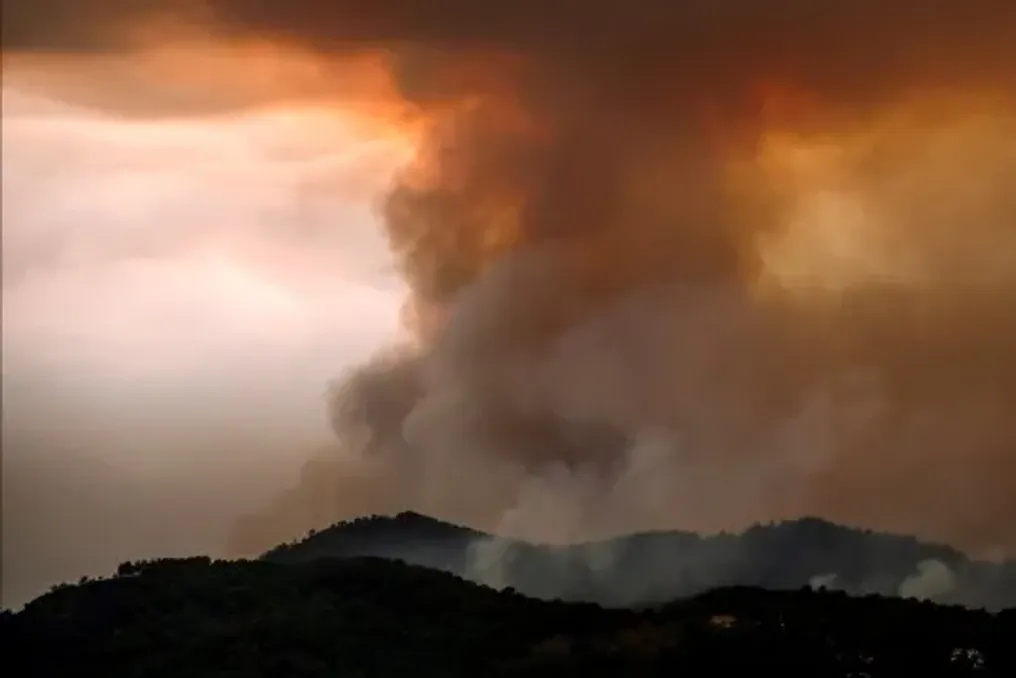
Spain's Minister of the Interior, Fernando Grande-Marlaska, stated that it is possible to be more relaxed during the day, especially considering the weather conditions forecast for the coming hours. He reported that the night was 'positive' on the ground, including in one of the fire fronts in the western sierra of the province of Madrid, which is the most complex at the moment, where 'reasonably positive results' were recently observed.
When asked whether the fires would enter a new phase, such as controlled or stabilized, the minister emphasized that the work carried out in recent days and the previous night was satisfactory. Grande-Marlaska stressed the need to consolidate the progress made during that night in the fight against the fire, promising to continue advancing to the next stages. He mentioned that the fight against the flames in Madrid and Ávila has been ongoing for 'six very complicated days.'
The Spanish Government Delegation in the autonomous community of Madrid communicated via social media that the efforts of the night and early morning managed to limit the expansion on active fronts and reduce the risk. However, the delegation clarified that the fire remains active and uncontrolled, directing daily work towards monitoring and restocking affected areas due to the expected worsening of climatic conditions.
In the case of the province of Ávila, the fire, which is the largest recorded in Spain's history since records began, with over 50,000 hectares burned, presents a 'much more favorable' situation, according to the latest bulletin from regional and Castile and León authorities. In Toledo, in the region of Castilla La Mancha, the positive evolution of the hotspots will allow people to return to their homes in nine of the eleven localities that had been evacuated over the weekend, the Ministry of the Interior reported.
Spain has declared a national state of emergency in the provinces of Madrid, Ávila, and Toledo due to the forest fires. These incidents have resulted in the confinement or evacuation of more than 90,000 people since Thursday, consuming over 77,000 hectares. The Spanish Government had issued a warning on Monday about the arrival of 'difficult hours' in the fight, despite the improvement observed over the weekend, due to a heatwave expected in the coming days, making it crucial to control the hotspots before Wednesday. Furthermore, the government pointed out that the total area burned across the country since the beginning of the year amounts to 170,000 hectares, which is six times more than in the same period of 2025.