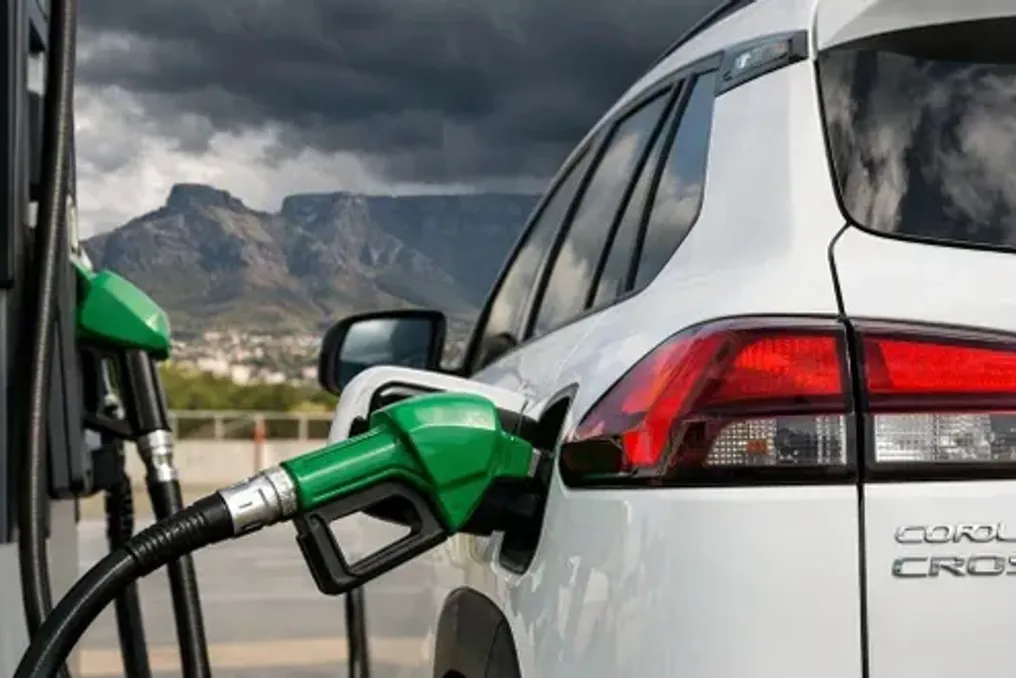
Diesel fuel prices are expected to increase again in August. The ongoing conflict in the Middle East has seriously impacted fuel prices in South Africa this year, causing sharp jumps in April and May.
Diesel fuel prices are expected to increase again in August. The ongoing conflict in the Middle East has seriously impacted fuel prices in South Africa this year, causing sharp jumps in April and May.
Despite the temporary relief provided by the July peace agreement, the resumption of hostilities means that gasoline and diesel prices are unlikely to return to pre-April levels anytime soon.
According to the latest data from the Central Energy Fund, current forecasts predict a decrease in gasoline prices ranging from 21 cents (for 95 Unleaded) to 26 cents (for 93 Unleaded). However, the strong under-coverage observed over the past week is likely to reduce this decline by the end of the month, with calculations indicating only a slight drop of about five cents.
The situation for diesel fuel consumers is significantly more complex: current estimates suggest a price increase of between R1.63 (for 50ppm) and R1.80 (for 500ppm). These forecasts are based on the assumption that under-coverages will remain at their current level. If oil prices continue to fall, as they did in the last day, the increase could be between R1.30 and R1.50.
Another potential factor is the Slate Levy, a mechanism that helps compensate fuel companies for fluctuations in oil prices from the previous month. If the Slate Levy significantly decreases from the current R1.14 per liter, there might be a more substantial drop in gasoline prices. Nevertheless, given the volatility of oil prices this year, one cannot rely too heavily on such a decrease.
Although it is difficult to make an exact forecast of fuel prices due to recent market instability, the most likely scenario is that gasoline prices in August will remain close to current levels, while diesel fuel will see an increase of more than R1.
Currently, a liter of 95 Unleaded gasoline costs R25.23 on the coast and R26.11 in Gauteng, where 93 Unleaded gasoline sells for R25.94. The wholesale price of 500ppm diesel fuel is R23.91 on the coast and R24.78 inland, while 50ppm costs R24.41 and R25.16 respectively. These figures follow a significant drop in fuel prices this month: gasoline fell by R2.01 per liter, and diesel fuel by between R3.14 and R3.58 per liter.
International oil prices have shown extreme volatility this month, mainly because markets oscillated between fears of a supply shock in the Middle East and hopes that diplomatic efforts could prevent it.
At the beginning of the month, oil prices were at a three-month low, around $72 per barrel. However, the subsequent escalation of tensions in the Middle East, including exchanges of strikes between the US and Iran, led to a rise in prices, with Brent eventually exceeding $100 as markets priced in risks to flows through the critical Strait of Hormuz.
Nevertheless, hopes for another truce led to a drop in prices to around $88 this week, after falling by more than 8% in a single session. It is impossible to predict how events will unfold in the coming months.
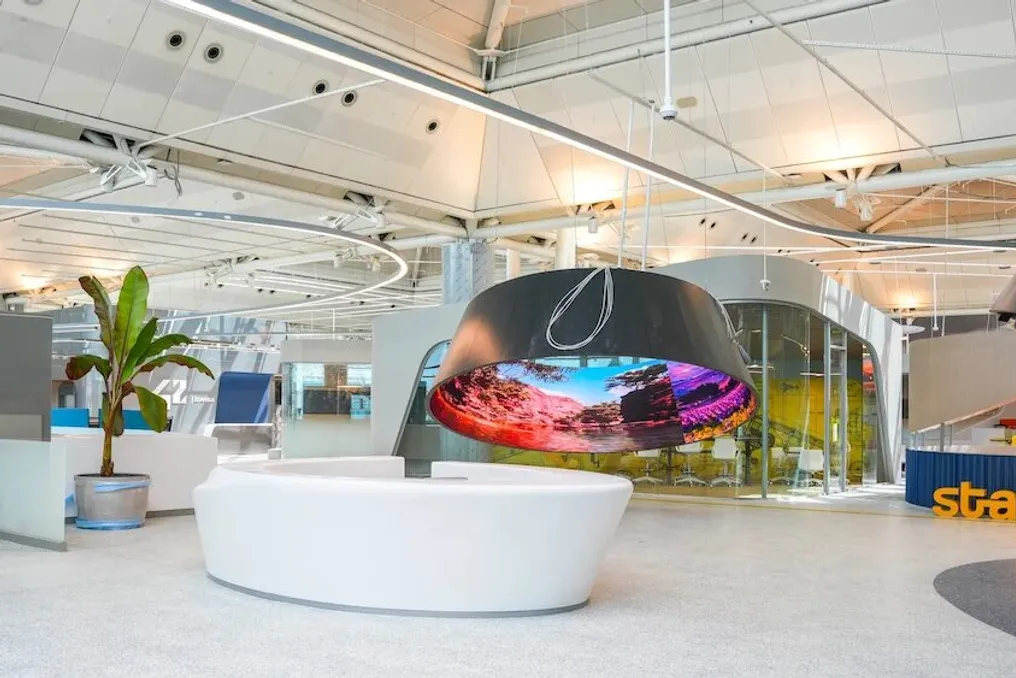
Work is underway to transform the Atatürk Airport in Istanbul, which was closed in 2018. Previously a major transport hub, the airport is now planned to be converted into Terminal Istanbul—an ambitious project intended to become a global center for entrepreneurs and startups.
Former passenger halls, check-in areas, and baggage terminals are being renovated into modern office spaces, co-working areas, incubation centers, and meeting rooms. The complex will also host international acceleration programs for companies and investors.
Erkem Tuzgen, CEO of the Terminal Istanbul initiative, noted that the goal goes beyond simply creating a technology hub. He aims to form an entire ecosystem capable of attracting local and foreign investors, businessmen, and innovators.
According to him, individuals with viable plans and innovative ideas will gain access to international capital and mentorship to enter global markets.
The total area planned for modernization is approximately 200,000 square meters. The first phase of the project is expected to launch next month, providing space for 50 startups, with the number of participants anticipated to increase to 100 by the end of the year.
Tuzgen announced the signing of a memorandum of understanding with Techstars, one of the largest entrepreneurship organizations. Techstars will place its incubation and globalization programs in Terminal Istanbul, utilizing its investment funds and extensive network.
Furthermore, the Chinese state entity Shanghai State-owned Capital Investment, which manages assets worth $47 billion, has signed an agreement to open an office in Terminal Istanbul, allowing the fund to interact directly with tech startups.
Despite the fact that in 2018 the Turkish government faced criticism for transferring commercial operations from Atatürk Airport to the new Istanbul Airport, which is now one of the busiest in Europe, Terminal Istanbul has so far avoided serious criticism because the former airport buildings were vacant for a long time.
Turkey is following the example of other countries, such as France, which turned a railway freight warehouse in Paris into the Station F campus in 2017. Tuzgen emphasized that the ambitions of Terminal Istanbul are aimed at placing Turkey on par with global centers like Beijing, San Francisco, and New York in global technology discussions.
In addition, the Turkish government is actively promoting the country as a potential destination for businesses and investors leaving the Gulf countries, offering incentives to financial companies and digital nomads. The Istanbul financial center offers significant corporate tax exemptions.
Flat6Labs, one of the largest ecosystem builders in the Middle East, is also joining the project, and a deal with Monshaat, the General Directorate of Small and Medium Enterprises of Saudi Arabia, is under discussion. Raad Aljouni, founder of a Swiss AI venture fund, highly praised the project, noting that due to Turkey's location between East and West, its rich heritage, and developed infrastructure, Terminal Istanbul could become a significant global innovation ecosystem.
However, some investors anonymously informed MEE about difficulties related to the frequent changes in the regulatory environment in Turkey, issues of the rule of law, and a complex immigration system.
Despite the government's efforts to tighten fiscal and monetary policies since 2023, economic difficulties persist, and annual inflation is projected to remain around 30 percent by the end of the year.
Terminal Istanbul is designed to address some of these problems. Tuzgen expects parliamentary approval for legislation that allows for the creation of companies in digital format, which will eliminate one of the main obstacles for business. Additionally, a single service center will be created for immigration, social security, and taxation issues, simplifying bureaucratic procedures for investors and their employees.
Another advantage is the presence of the existing airport VIP terminal, allowing private jets to land near the complex. Investors can arrive, hold meetings, and monitor projects without going through passport control before continuing their journey. The complex will also include kitchens supported by the MSA Culinary Academy, offering modern Turkish cuisine.
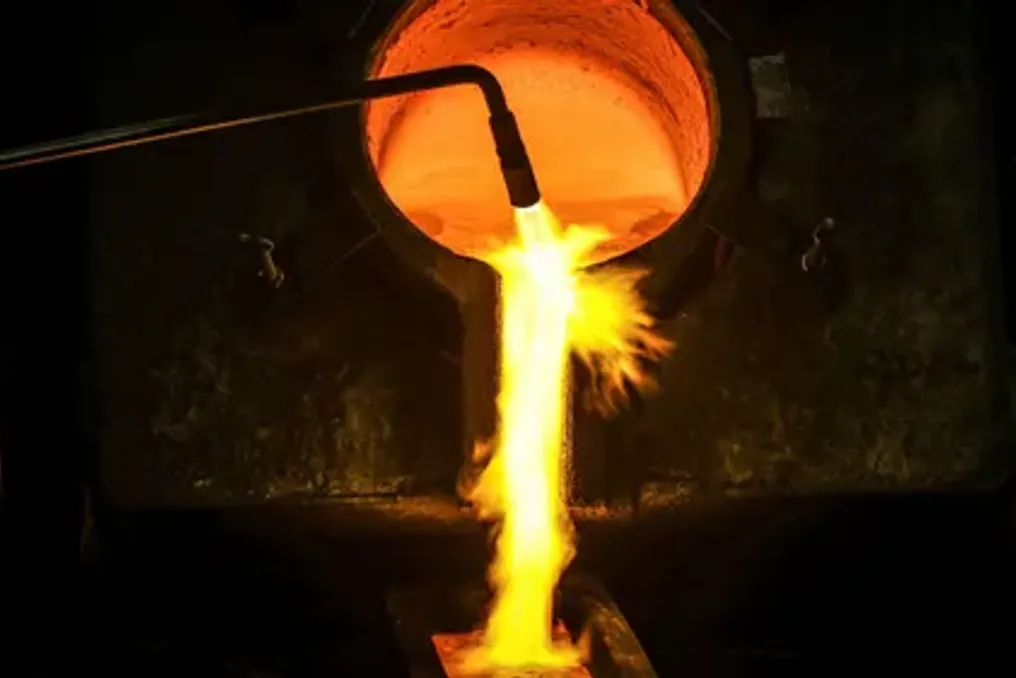
Harmony Gold has received significant support from the banking sector through debt refinancing totaling over 21 billion Rands, which has enabled it to strengthen its liquidity and reduce financing costs.
Following the execution of new syndicated multi-tranche, multi-currency credit facilities totaling USD 500 million, AUD 500 million, and ZAR 7 billion, the company demonstrated an strengthening of its financial position. The group reported in a notice to the JSE news service on Tuesday that this transaction contributes to reducing capital raising costs relative to the refinanced items, extending the repayment profile, and increasing liquidity.
Funds from these facilities will be partially used to refinance existing syndicated dollar and Rand agreements concluded in 2022, as well as to cover bridge financing for the acquisition of MAC Copper and support general corporate needs.
CEO Beers Nel stated that the successful completion of these agreements optimizes the capital structure, enhances liquidity, and reduces the company's financing costs. He emphasized that the deal extends the repayment profile and provides access to capital in currencies most relevant to the company's growth plans, allowing for a balanced balance sheet to support disciplined investment in strategic goals.
The inclusion of Australian dollars in the financing reflects Harmony's portfolio development following the purchase of MAC Copper (total transaction value of approximately USD 1.25 billion) and the development of the Eva Copper project (valued between USD 1.55 and USD 1.75 billion).
Nel noted that this financing structure improves financial flexibility, strengthens the alignment of funding sources with underlying assets, and supports the consistent execution of Harmony's long-term growth strategy, as the group develops a significant Australian copper business alongside gold operations in South Africa.
Global coordinators and lead arrangers for the refinancing were Citi and Nedbank through its Nedbank Corporate and Investment Banking Division. The financing attracted strong market support, with creditor participation at around 93%, and total commitments exceeding the target amount by approximately three times. Nel noted that such a significant oversubscription indicates high confidence from creditors in Harmony.
Four sustainable loans have an initial maturity of three years and include two one-year extension options, which could extend the final maturity date by another two years. These loans align with the company's Environmental, Social, and Governance (ESG) and sustainability goals. As part of the deal, Harmony and the group of creditors agreed on progressive sustainability targets or Key Performance Indicators (KPIs) for the next three fiscal years, including accumulated installed renewable energy capacity, reduction in potable water consumption from external sources, and additional annual expenditure on local mining community development initiatives.
Harmony directors reported that upon meeting the KPIs, the company will receive a margin reduction of 5 basis points, whereas failure to meet all targets will result in a similar margin increase. Furthermore, the deal does not entail any changes to Harmony's debt covenants.
Last month, Harmony announced in a production update that it will achieve its annual gold production forecast for the eleventh consecutive year within 12 months leading up to June 30, 2026. Production is expected to be between 1.4 and 1.5 million ounces, underground recovered grades around 5.80 g/t, and all operating costs will remain within forecast, while capital expenditures will be slightly below planned.