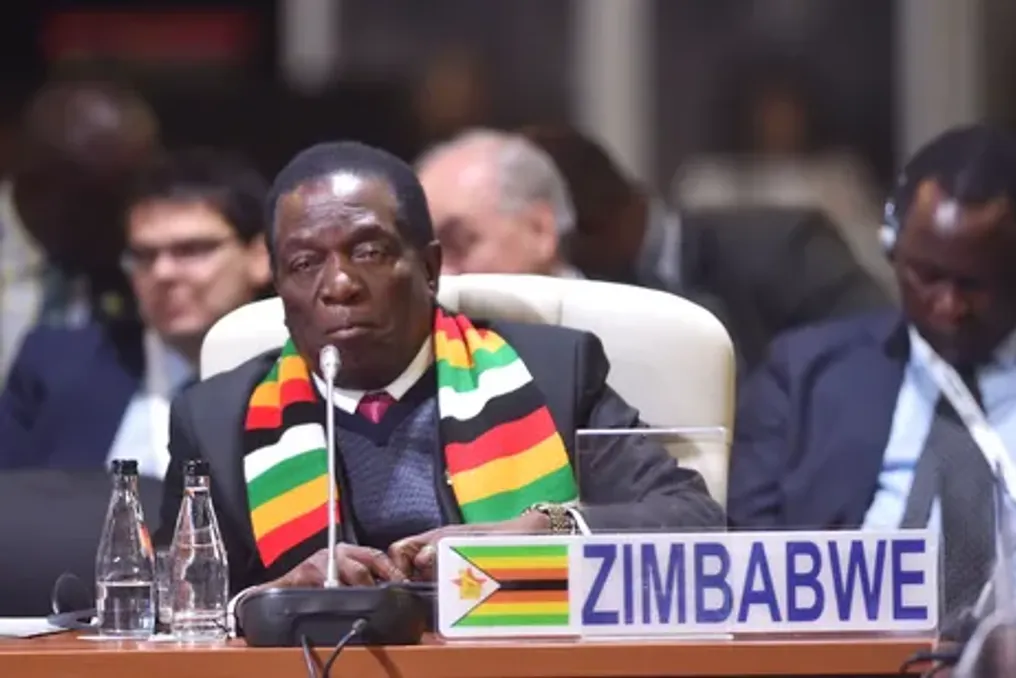
The International Monetary Fund (IMF) has approved the completion of the first review under Zimbabwe's 10-month Stand-By Monitoring Program (SMP). This decision was made by IMF management on July 27 and marks a significant milestone in the country's efforts to restore economic credibility, repay debt obligations, and resume engagement with the global financial community.
Program Implementation Results
According to the IMF, the program implementation in Zimbabwe until the end of March 2026 has been successful. All quantitative targets and structural benchmarks have been met, and most indicator targets have also been achieved. The IMF noted that the Zimbabwean economy has remained resilient despite a more complex global environment.
Economic growth reached 8.3% in 2025, supported by improved agricultural production, a strong mining sector, and favorable gold prices. Inflation remained moderate due to tight monetary policy and relative exchange rate stability.
Economic Forecasts and Risks
In the outlook, the IMF forecasts that the Zimbabwean economy will grow by 5% in 2026, after which the average figure in the medium term will be 4.2%. Inflation is expected to remain within single digits, and the country's current account surplus, although expected to decline, will remain positive.
However, the Fund warned about risks that could negatively affect the forecast, including the potential impact of a major El Niño event and the resumption of conflicts in the Middle East.
Fiscal Policy and Control Measures
Financially, Zimbabwe exceeded the primary budget balance target for the end of March, which was a result of higher-than-expected revenue collection. The IMF welcomed the government's commitment to adhering to the approved national budget for 2026, as well as accumulating any additional revenues to create financial reserves for food security needs in 2027.
The Fund also highlighted steps taken to reduce fiscal risks. These include tightening control over gold supply incentives, adopting a rules-based approach to debt management, and strengthening protection measures when settling domestic debts.
IMF Praise and Recommendations
The IMF highly praised the Reserve Bank of Zimbabwe for maintaining a tight monetary policy to curb inflation and ensure exchange rate stability. The Fund also approved the introduction of a ZiG-denominated term deposit instrument, calling it a positive step towards broader use of monetary policy market instruments. It added that gradually reducing dependence on non-tradable deposit certificates will strengthen monetary policy transmission and deepen domestic money markets.
Furthermore, the IMF supported Zimbabwe's plans for further liberalization of the foreign exchange market and reforming the country's currency intervention system. Recognizing the progress, the IMF pointed out that one indicator target related to protected social and priority expenditures was missed, emphasizing the need to improve budget execution and timely support for vulnerable households.
The Fund strongly recommended continuing reforms in public finance management, fiscal risk management, and enhancing transparency, accountability, and investor confidence. Sustained progress within the SMP, alongside efforts to reconcile debt data and develop a robust debt resolution strategy, will help Zimbabwe advance dialogue with international creditors and strengthen its integration into the global financial community.