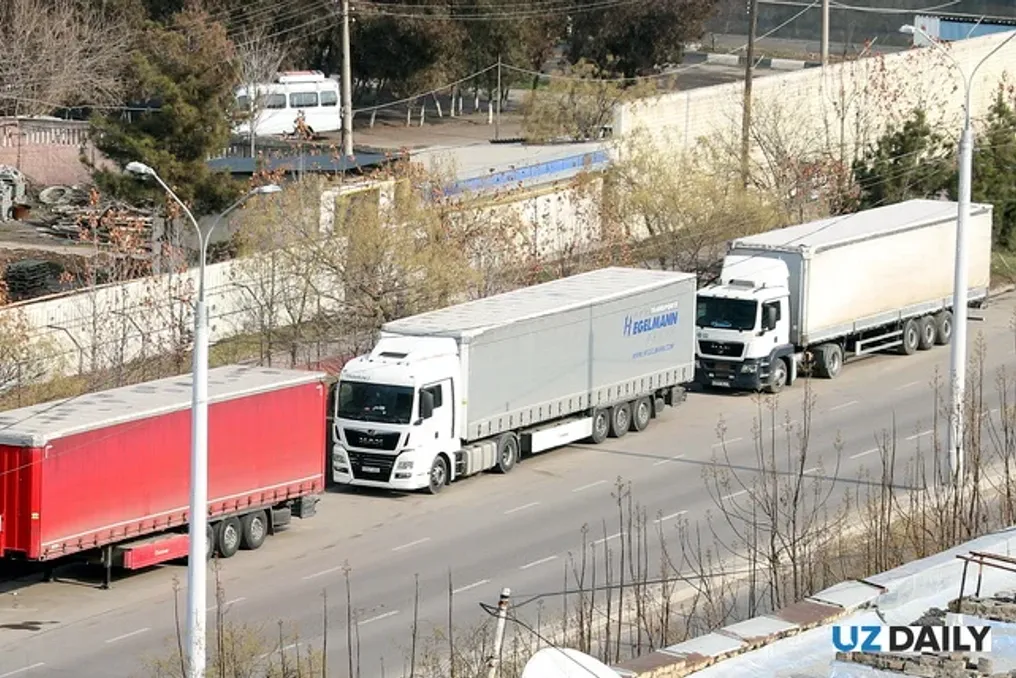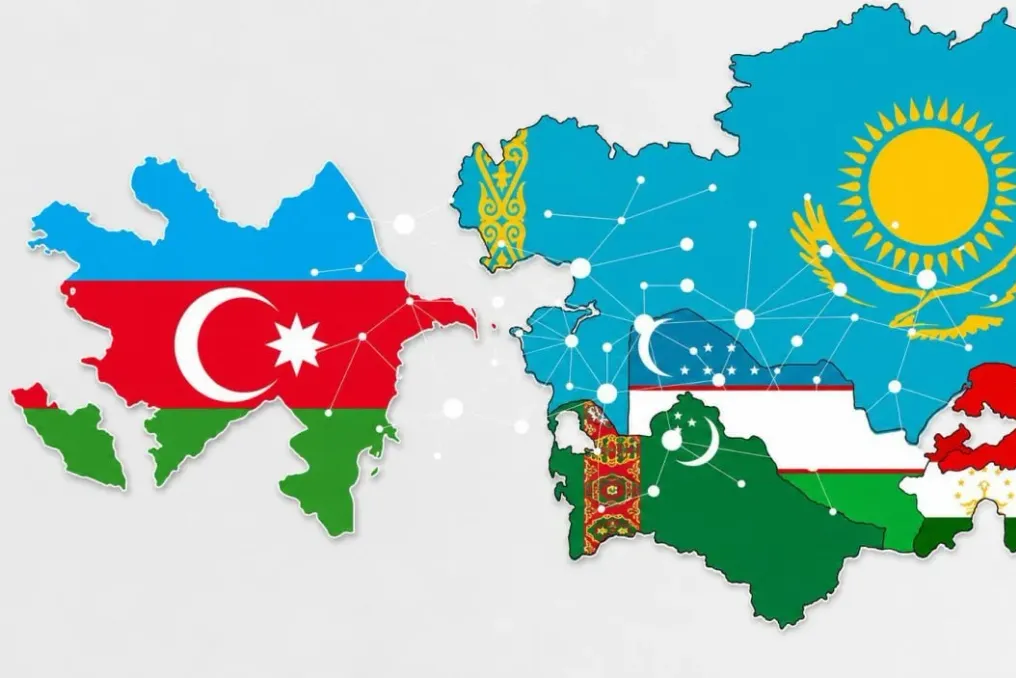
Central Asia and Azerbaijan are actively expanding their cooperation in the field of transport and logistics by developing the Trans-Caspian International Transport Route, creating new multimodal corridors, and implementing digital solutions.
Central Asia and Azerbaijan are actively expanding their cooperation in the field of transport and logistics by developing the Trans-Caspian International Transport Route, creating new multimodal corridors, and implementing digital solutions.
The new format of interaction in the region emerged after the seventh Consultative Meeting of Heads of State of Central Asia, which took place on November 15–16, 2025, in Tashkent. Following this, Azerbaijan was accepted as a full participant in this format.
The Trans-Caspian International Transport Route, also known as the Middle Corridor, has become one of the key areas of joint work. In 2025, cargo turnover along this route exceeded 4.7 million tons. For Uzbekistan, this route is also gaining increasing importance: over five years, the volume of Uzbek cargo transported via the Middle Corridor has doubled, reaching 1.3 million tons by the end of 2025. The share of cargo traveling to and from the EU via this route increased from 12% in 2021 to 28% in 2025.
A joint Working Group has been established to further increase cargo flow along the Trans-Caspian Corridor to 1.5 million tons. This group is examining options for expanding the route's capacity, increasing transit volumes through the Caspian Sea, and acquiring vessels.
In parallel, Uzbekistan is working on developing alternative routes. One of the most important projects remains the China-Kyrgyzstan-Uzbekistan railway. According to expert estimates, upon completion, this railway will reduce the distance between China and Europe and the Middle East by 900 kilometers and decrease delivery times by seven to eight days. Until this railway line is commissioned, transportation along this direction is carried out using the existing network of international highways.
Another mechanism for strengthening regional connectivity is the CASCA+ multimodal route, which connects countries of the Asia-Pacific region with China, Kyrgyzstan, Uzbekistan, Turkmenistan, Azerbaijan, Georgia, Turkey, and Europe. In 2025, the volume of container traffic on this route reached 6,722 TEUs, which is 47% more than in 2024.
An additional tool to support freight transport is tariff preferences provided annually by the railway administrations of participating countries. These discounts can reach up to 70%. The institutional basis of cooperation is also expanding: in 2024, the railway services of Uzbekistan, Kyrgyzstan, Turkmenistan, Azerbaijan, Georgia, Turkey, and Tajikistan founded the Eurasian Transport Route association to promptly eliminate logistical obstacles.
A separate area of focus is the development of the Uzbekistan-Afghanistan-Pakistan route. According to calculations presented in the article, it is capable of reducing the distance from Indian Ocean ports in European and CIS countries by 1,000 kilometers compared to existing corridors. In the future, this route may be integrated with directions through Kazakhstan, Azerbaijan, and Georgia into a single multimodal chain connecting South Asia with European markets.
Simultaneously, the countries are promoting the digitalization of transport processes. Specifically, Uzbekistan is implementing an electronic permit (e-Permit) system that allows for the electronic exchange of international permits for road transport. This exchange between Uzbekistan and Azerbaijan is intended to simplify administrative procedures, speed up customs clearance, and reduce the human factor. The system between these two states was launched in 2025. Turkey is mentioned as the first international point where Uzbekistan applied the electronic permit exchange system in 2021. The system was introduced with Kazakhstan in 2024, and with Azerbaijan and Kyrgyzstan in 2025. The launch of the system with Tajikistan, Turkmenistan, and China is planned for 2026.
The development of transport infrastructure, multimodal routes, and digital tools lays the foundation for deeper integration of Central Asia and Azerbaijan into Eurasian supply chains, as noted in the article.
Uzbekistan has begun establishing new international transport and logistics corridors to ensure a stable supply of domestic products to the markets of Kuwait and Syria.
This initiative is being implemented by the Embassy of Uzbekistan, which is testing alternative delivery routes with the aim of increasing export opportunities for local producers.
One of the first results was the shipment of carpets produced by the Samarkand company YEC Gilam to Montreal House Wholesale Co in Kuwait via a new logistics route. According to the Turkish logistics operator Gulf Cargo, this corridor allows cargo to reach Kuwait within 15–20 days.
In parallel, Uzbekistan is studying the possibility of organizing supplies via transit through Iraq. Negotiations have taken place on this issue with representatives of the government and business circles of that country. The Ministry of Transport of Iraq has expressed readiness to conduct practical consultations with interested organizations from both countries.
Work is also continuing on developing the Syrian direction. Following the opening of the Trade House and Distribution Center of Uzbekistan in Aleppo in May of this year, new export contracts were signed. This led to the first shipment of Uzbek vegetable oil, detergents, and household appliances to Syria. Delivery via Turkey takes from 10 to 15 days.
It is expected that the new transport and logistics routes will ensure more stable and competitive supplies of Uzbek products to Middle Eastern markets, supporting the further growth of the country's export potential.