A new law has been adopted that establishes a unified procedure for compensating damage inflicted upon citizens as a result of illegal decisions, actions, or inaction by state bodies or officials.
A new law has been adopted that establishes a unified procedure for compensating damage inflicted upon citizens as a result of illegal decisions, actions, or inaction by state bodies or officials.
This document was signed by the President on July 27. It will come into force six months after official publication, meaning from January 28, 2027. The key change is that a clear financial mechanism for compensation will now be in place if a citizen suffers material or moral damage due to an illegal decision by a state body or the inaction of an official.
If an illegal decision results in damage to a citizen's property, or if they suffer moral distress, they have the right to demand monetary compensation through the court. For this, the court must confirm the illegality of the decision, action, or inaction, as well as the amount of harm caused. Payment is made from the regional compensation fund based on an enforcement order issued by the court.
After the damage is covered, the question of identifying the responsible party is considered. If the guilt of a specific official is confirmed by a legally binding court decision, the mechanism for recovering the paid amount from that person is initiated. The responsible party may also voluntarily compensate for the damage. If the compensation was paid from the fund's resources, the Committee of Ministers of Karakalpakstan, along with the relevant regional or city administration, files a lawsuit against the state body where the official worked or works.
Thus, the citizen is not obliged to wait for the guilty official to compensate for the damage; first, they receive coverage for the damage based on a court decision, and then the issue of collecting funds from the guilty party is addressed. The Constitution enshrines everyone's right to compensation from the state in case of illegal decisions, actions, or inaction by state bodies or officials, and the new law defines the unified procedure for exercising this right.
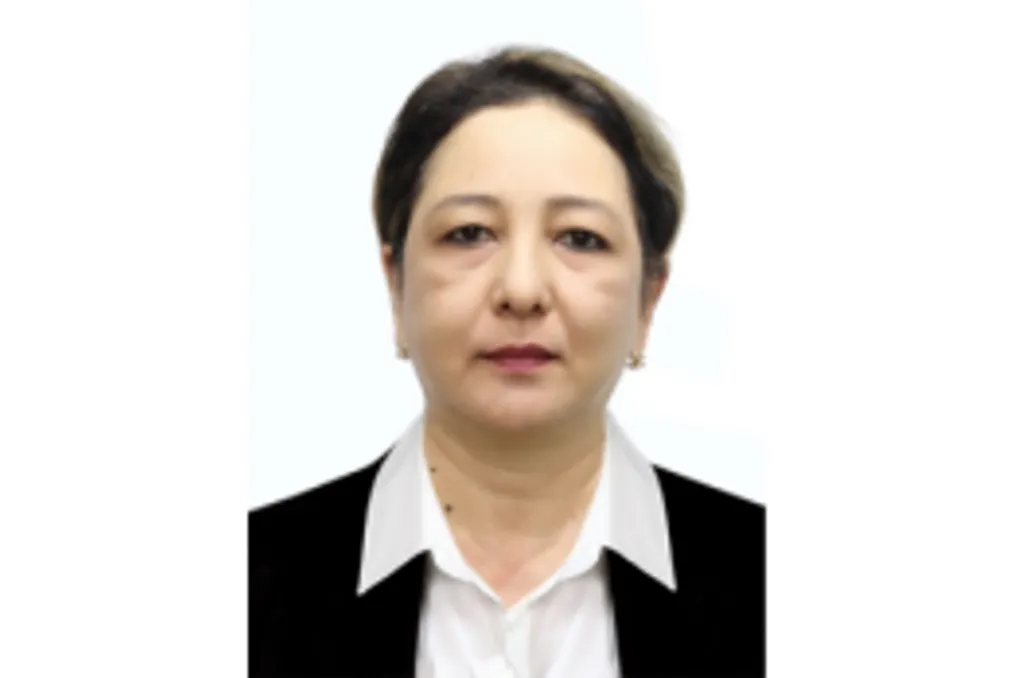
Umarova Zulfiya Khosilovna is preparing to defend her dissertation in medical sciences, obtaining the academic degree of Doctor of Philosophy (PhD).
The dissertation is dedicated to the topic 'The influence of pesticides on the growth and formation of the blastocyst in the mother's body.' The work was written under the specialty 14.00.02 Morphology.
The dissertation defense will take place at a meeting of the Scientific Council held by the Tashkent State Medical University as part of the procedure for obtaining the PhD scientific degree. The event is scheduled for July 30, 2026, at 11:00 AM.
The defense will be held in the city of Tashkent, at the address: Farabiy street, building 2. Contact phone numbers: (+99878) 150-78-14 (phone and fax).
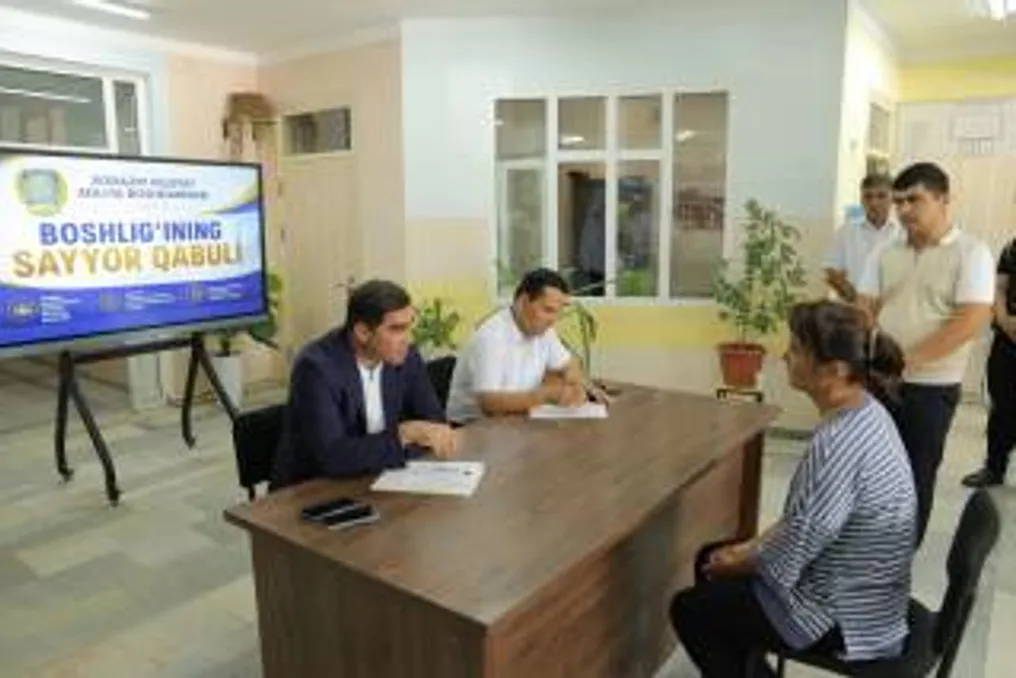
A reception by the regional justice department took place in the village of Yakkachikyr in the Tuproqqal'a district of Khorezm region.
Heads of the regional justice department, representatives of the 'neighborhood council,' and other organizations were present. During the reception, issues such as the adaptation of individuals under preventive registration, working with families in disputes, timely resolution of legal problems, and strengthening cooperation with the 'neighborhood council' in this area were discussed.
More than 30 citizens' appeals were heard during the reception. Ten appeals were resolved on the spot, and legal clarifications were provided for ten appeals. Twenty citizens received legal and state services as part of the outreach reception, and six appeals requiring investigation were accepted for work.
Citizen Ma'murjon Zhumaboyev noted that Yakkachikyr is one of the most remote villages not only in the region but also in the country. He emphasized that traveling to the regional center requires significant time and financial expenditure for the population. The arrival of the head of the justice department in their village reduces costs and facilitates citizens' appeals, as many issues are resolved directly on site.
During the reception, citizens were given direct explanations regarding new adopted laws, benefits, subsidies, and ways to protect their rights.
Reforms aimed at developing the higher education system in our country according to international standards, improving the quality of education, and strengthening the competitiveness of higher education institutions in the global education arena are continuously underway.
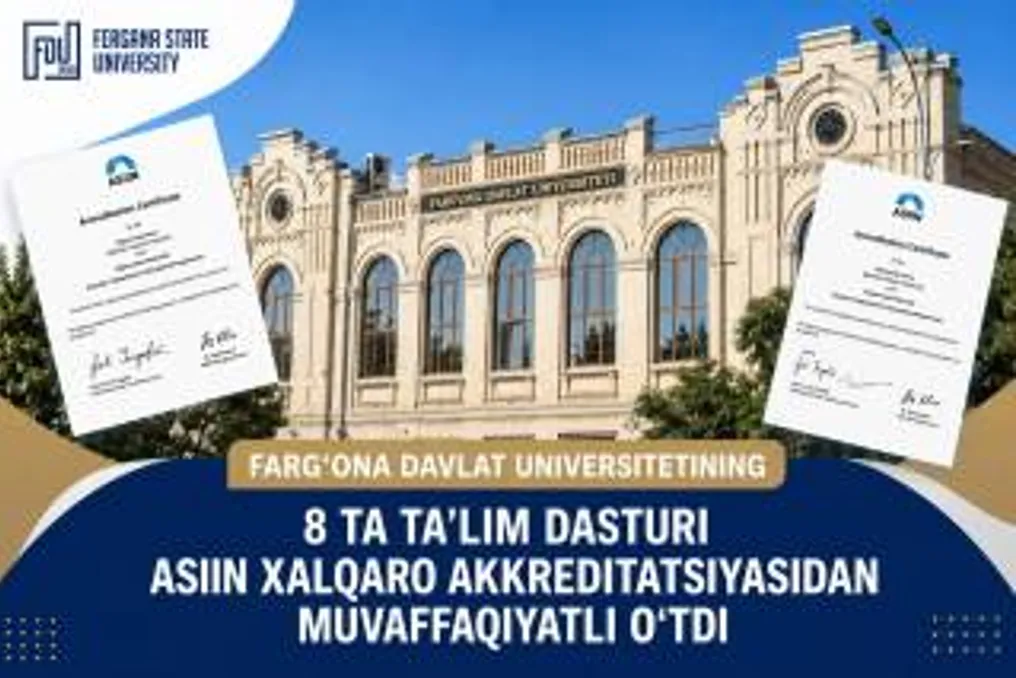
One of the practical achievements in this area is that eight educational programs at Fergana State University (FSU) successfully passed international accreditation by the prestigious German accreditation agency ASIIN.
The international accreditation covered undergraduate and master's level educational programs in the fields of chemistry, biology, mathematics, and physics.
This result once again confirms the effectiveness of systemic work being carried out at the university to improve the quality of education according to international requirements, introduce modern approaches to the learning process, enhance the scientific potential of professors and teachers, and perfect educational programs based on international benchmarks.
In addition to recognizing that the educational programs meet the specified quality standards through international accreditation, it also serves to expand the university's international academic cooperation, create new educational and scientific opportunities for students, and increase the competitiveness of graduates in the labor market.
Efforts aimed at further improving the quality of education at Fergana State University, widely implementing international standards, and developing cooperation with prestigious international organizations are continuously ongoing.