Uzbekistan continues to implement a series of reforms aimed at protecting public health, preventing infectious diseases, and ensuring their timely detection, with these improvements reaching a high level.
Achievements in Healthcare
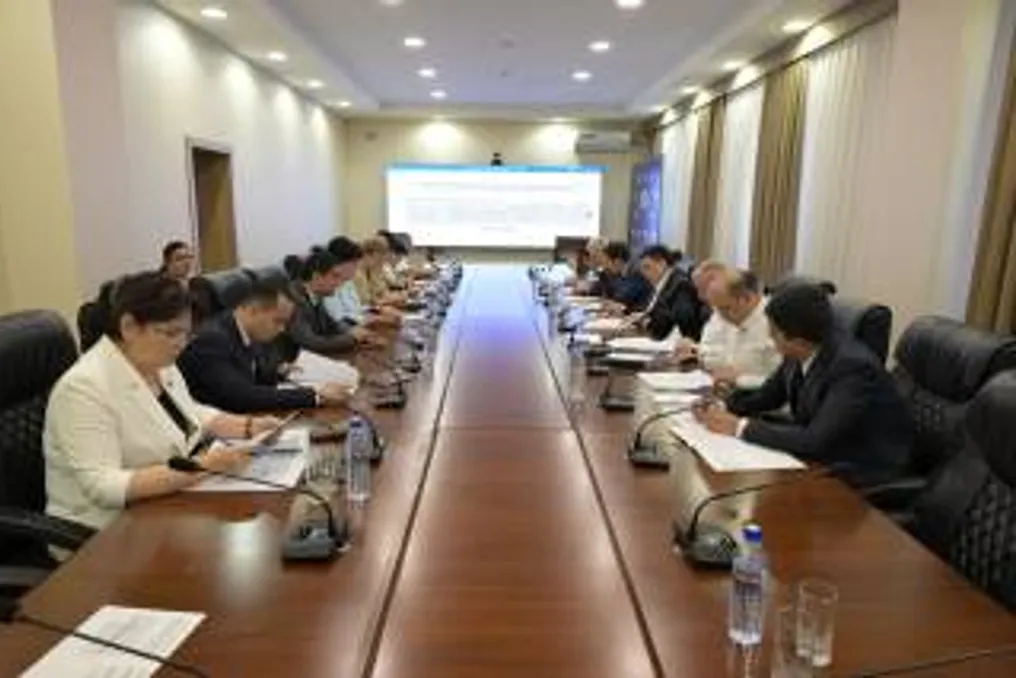
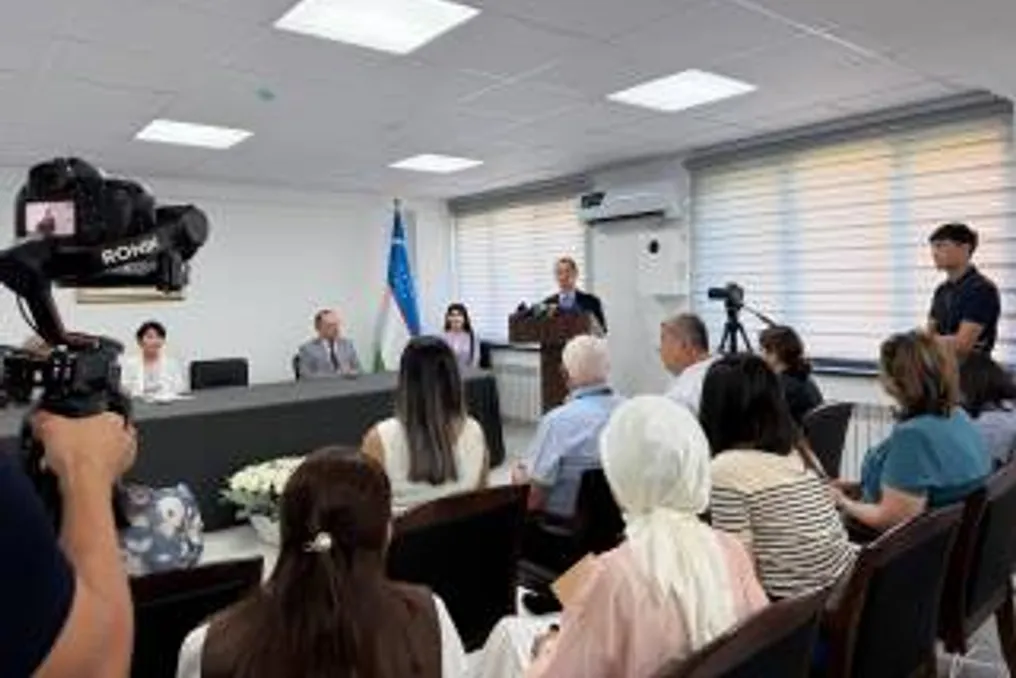
During a press tour conducted at the Center for HIV/AIDS Control under Sanitary and Epidemiological Surveillance and Public Health, detailed information was presented on achievements in this field, the results of effective cooperation with international organizations, and future plans. Representatives of structures such as the United Nations Office for Project Services (UNOPS), the Asian Development Bank, the Asian Infrastructure Investment Bank, as well as representatives from UNAIDS and the UN Programme on HIV/AIDS (UNAIDS), noted that modernizing infrastructure, strengthening the material and technical base, and implementing international standards have become sustainable directions of state policy in the country in recent years.
Implementation of State Decisions
To ensure compliance with the Decree of the President of the Republic of Uzbekistan dated January 20, 2023, 'On measures to strengthen the system for combating human immunodeficiency virus-related diseases,' large-scale construction and system modernization works were carried out. In particular, with support from the Asian Development Bank and the Asian Infrastructure Investment Bank, a large-scale reconstruction and major overhaul of the building of the Center for HIV/AIDS Control under the Republican AIDS Control Center were completed.
COVID-19 Control Program
Nurmat Otabekov, Deputy Chairman of Sanitary and Epidemiological Surveillance and Public Health, reported that in accordance with the relevant decision of the head of state, within the framework of the project 'Taking urgent measures to combat COVID-19 infection in the Republic of Uzbekistan,' not only the Republican Center but also nine regional centers for HIV/AIDS control were built, reconstructed, and fully renovated. A total of $8.1 million USD was spent on building renovations and major repairs, and $1.5 million USD was spent on equipping laboratories with modern equipment. These extensive efforts contribute to creating modern working conditions for medical workers and citizens.
Technical Equipment and Cooperation
During practical activities, a number of high-tech modern medical and diagnostic devices of 22 types were installed to enhance diagnostic capabilities and conduct international accreditations of the central laboratory. This repair and equipment supply process was carried out in close cooperation with the United Nations Office for Project Services (UNOPS) in Uzbekistan. According to Artem Kulbashne, a senior manager at UNOPS, the work of medical personnel in safe, comfortable, and modernly equipped facilities brings enormous benefits to the population. Such projects help create long-term, sustainable institutions that meet the real needs of the population, in line with UNOPS's technical experience and international standards.
Improving Diagnostic Quality
The installed modern equipment supports fast and reliable analyses, raising the quality of laboratory services to a new level. The favorable conditions created pave the way for organizing targeted, large-scale measures for the prevention of HIV infection, its timely diagnosis, treatment of people living with HIV, as well as providing them with medical and psychological support. This helps achieve the goals of the '95-95-95' strategy set by the UN General Assembly for 2030 to eradicate the HIV epidemic. This means ensuring that 95% of people with HIV know their status, 95% receive full treatment with special courses, and 95% have an undetectable viral load.
New Transport Control Measures
B. Igamberdiyev, Director of the Center for HIV/AIDS Control under the Republican AIDS Control Center, announced that starting in August of this year, modern taximeters will be put into operation in all international airports and railway stations of the republic to protect public health and continuously detect infectious diseases. He emphasized that these innovative devices will allow citizens to undergo quick medical examinations, detect diseases at early stages, and strengthen preventive measures. Furthermore, starting in September of this year, taximeters will be gradually introduced in local production enterprises, which will contribute to continuous monitoring of worker health and the prevention of disease spread.
Information Work
Sanitary and Epidemiological Surveillance and Public Health, along with the Center for HIV/AIDS Control under the Republican AIDS Control Center, provided detailed information to members of the media about the HIV situation in the Republic, ongoing work and future plans, as well as the modernization of the electronic HIV monitoring system. Special emphasis was placed on the necessity of strictly ensuring the regularity of these systemic and consistent preventive measures.