Work is underway to transform the Atatürk Airport in Istanbul, which was closed in 2018. Previously a major transport hub, the airport is now planned to be converted into Terminal Istanbul—an ambitious project intended to become a global center for entrepreneurs and startups.
Concept of the New Center
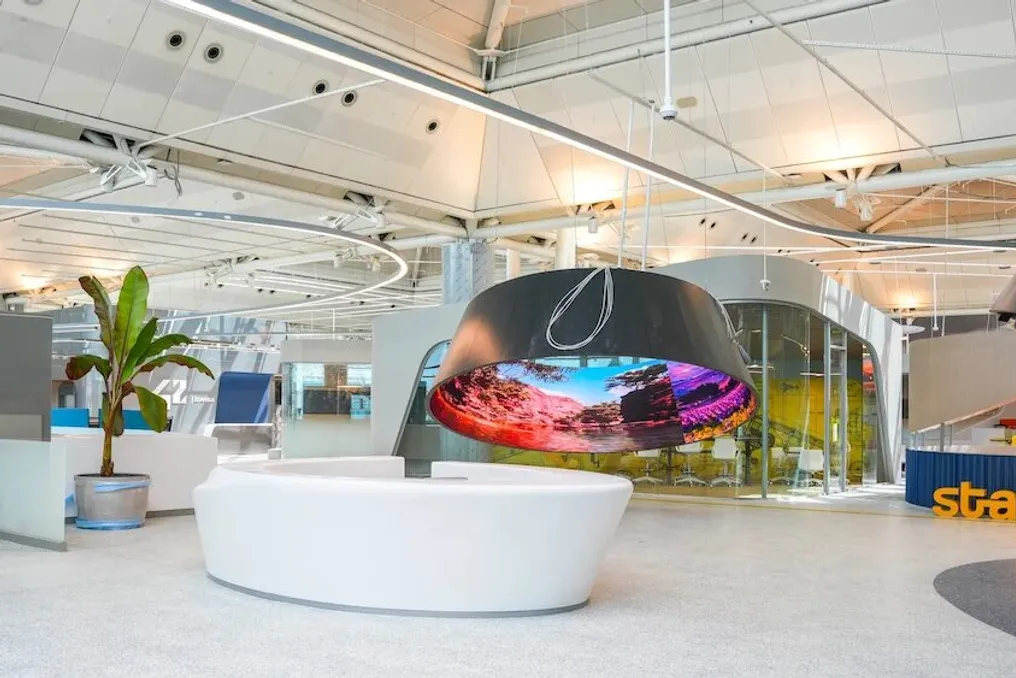
Former passenger halls, check-in areas, and baggage terminals are being renovated into modern office spaces, co-working areas, incubation centers, and meeting rooms. The complex will also host international acceleration programs for companies and investors.
Erkem Tuzgen, CEO of the Terminal Istanbul initiative, noted that the goal goes beyond simply creating a technology hub. He aims to form an entire ecosystem capable of attracting local and foreign investors, businessmen, and innovators.
According to him, individuals with viable plans and innovative ideas will gain access to international capital and mentorship to enter global markets.
Project Scale and Partners
The total area planned for modernization is approximately 200,000 square meters. The first phase of the project is expected to launch next month, providing space for 50 startups, with the number of participants anticipated to increase to 100 by the end of the year.
Tuzgen announced the signing of a memorandum of understanding with Techstars, one of the largest entrepreneurship organizations. Techstars will place its incubation and globalization programs in Terminal Istanbul, utilizing its investment funds and extensive network.
Furthermore, the Chinese state entity Shanghai State-owned Capital Investment, which manages assets worth $47 billion, has signed an agreement to open an office in Terminal Istanbul, allowing the fund to interact directly with tech startups.
Turkey's Positioning on the Global Stage
Despite the fact that in 2018 the Turkish government faced criticism for transferring commercial operations from Atatürk Airport to the new Istanbul Airport, which is now one of the busiest in Europe, Terminal Istanbul has so far avoided serious criticism because the former airport buildings were vacant for a long time.
Turkey is following the example of other countries, such as France, which turned a railway freight warehouse in Paris into the Station F campus in 2017. Tuzgen emphasized that the ambitions of Terminal Istanbul are aimed at placing Turkey on par with global centers like Beijing, San Francisco, and New York in global technology discussions.
In addition, the Turkish government is actively promoting the country as a potential destination for businesses and investors leaving the Gulf countries, offering incentives to financial companies and digital nomads. The Istanbul financial center offers significant corporate tax exemptions.
Infrastructure Advantages and Challenges
Flat6Labs, one of the largest ecosystem builders in the Middle East, is also joining the project, and a deal with Monshaat, the General Directorate of Small and Medium Enterprises of Saudi Arabia, is under discussion. Raad Aljouni, founder of a Swiss AI venture fund, highly praised the project, noting that due to Turkey's location between East and West, its rich heritage, and developed infrastructure, Terminal Istanbul could become a significant global innovation ecosystem.
However, some investors anonymously informed MEE about difficulties related to the frequent changes in the regulatory environment in Turkey, issues of the rule of law, and a complex immigration system.
Despite the government's efforts to tighten fiscal and monetary policies since 2023, economic difficulties persist, and annual inflation is projected to remain around 30 percent by the end of the year.
Solutions to Attract Investors
Terminal Istanbul is designed to address some of these problems. Tuzgen expects parliamentary approval for legislation that allows for the creation of companies in digital format, which will eliminate one of the main obstacles for business. Additionally, a single service center will be created for immigration, social security, and taxation issues, simplifying bureaucratic procedures for investors and their employees.
Another advantage is the presence of the existing airport VIP terminal, allowing private jets to land near the complex. Investors can arrive, hold meetings, and monitor projects without going through passport control before continuing their journey. The complex will also include kitchens supported by the MSA Culinary Academy, offering modern Turkish cuisine.