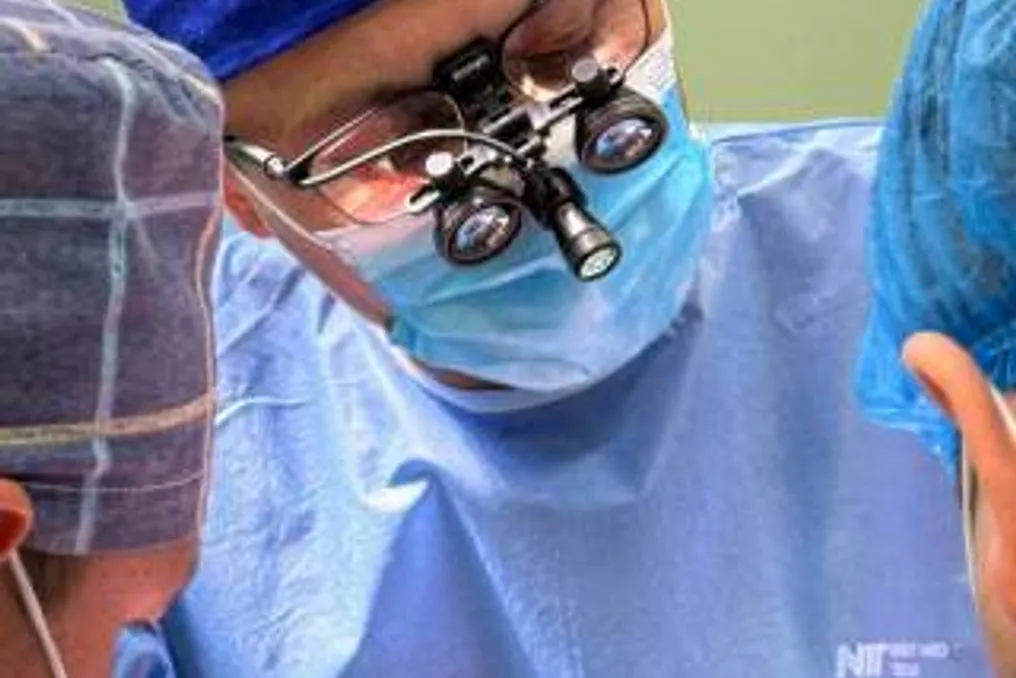
A complex kidney autotransplantation was successfully performed at the National Medical Center on a patient suffering from renal artery stenosis developed as a result of Takayasu syndrome.
Patient Condition and Diagnosis
The patient had long experienced discomfort caused by hard-to-control hypertension, dizziness, nausea, and general weakness. In-depth examinations revealed severe narrowing of the renal artery, triggered by Takayasu syndrome.
Surgical Procedure
According to Zulaykha Musurmonova, head of the National Medical Center's press service, experienced transplantologists at the center performed a complex surgical procedure. They carefully removed the kidney from the body, restored the damaged blood vessels, and returned the organ to the hilum area, performing an autotransplantation. Thanks to this high-tech operation, the patient's kidney was preserved, its blood supply was restored, and the organ function was maintained.
Significance of the Procedure and Takayasu Syndrome
Doctors emphasize that autotransplantation is one of the most complex and rarely performed operations in transplantation, requiring high qualifications and extensive experience. It should be noted that Takayasu syndrome is an autoimmune disease in which the human immune system mistakenly attacks its own blood vessels, causing inflammation. The exact causes of the disease have not yet been fully studied, but it is assumed that genetic predisposition and certain types of infections are involved. This disease most often occurs in women aged 10 to 40.
Center's Activities
Specialists at the National Medical Center continue to provide patients with modern, high-tech medical care, successfully implementing complex and rare surgical interventions.