The Convention, which originally applied only to Europe and was later expanded globally through a protocol in 1967, currently faces the greatest pressure of its history, according to one of the largest international humanitarian aid organizations.
Current challenges to protection
The International Rescue Committee (IRC), one of the world's most prominent humanitarian aid NGOs, warns that the foundation of the document established on July 28, 1951, is under threat. This threat stems from both the depletion of humanitarian funding and the increase in governments refusing to host individuals seeking protection.
Scope and status of refugees
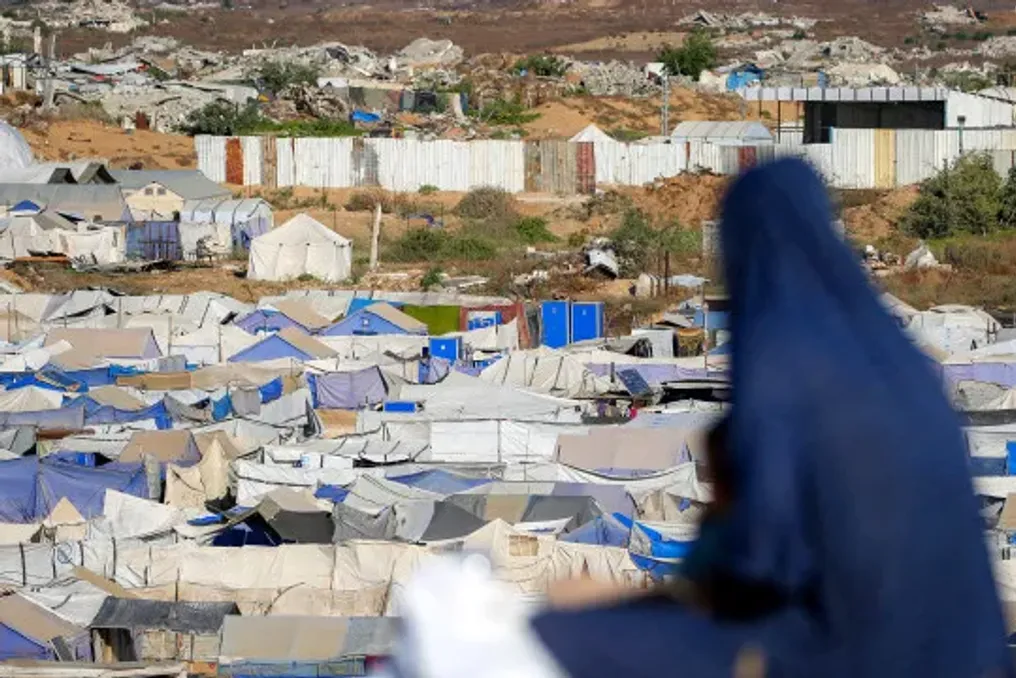
Currently, 149 nations are signatories to at least one of the two documents, with Portugal adhering to the convention restricted to Europeans in 1960 and fully integrating into the international humanitarian system in 1976. The UN Refugee Agency (UNHCR) reports that there are approximately 118 million refugees or forcibly displaced people globally. Although this number has decreased compared to the previous year, it remains at a level considered 'dramatically high.'
Future prospects and statements
David Miliband, President of the IRC and former British Foreign Secretary (2007-2010), emphasized that this anniversary should be a moment to recognize the successes of the Convention, defend what works, and correct flaws. He stressed that the central issue is not the existence of solutions, but rather the political willingness of governments to implement them.
International humanitarian strategy
The celebrations of the convention's founding day will extend throughout the year, culminating in December. During this period, various proposals will be gathered with the aim of presenting a new international humanitarian strategy at the beginning of 2027. The objective of this plan, according to UNHCR, is to halve the number of refugees.