The U.S. Department of the Treasury announced a change in financial regulations, stipulating that the Financial Crimes Enforcement Network (FinCEN) will not apply coercive measures against financial institutions offering authorized services in Venezuela.
Objective of the Measure
This determination is valid while Venezuela remains under sanctions, extending until January 29, 2027. The initiative seeks to simplify the processing of transactions conducted by American banks and other financial entities involved in humanitarian assistance, reconstruction efforts, and economic recovery in the country following recent earthquakes.
By reducing the risk of regulatory penalties resulting from potential compliance issues during these permitted transactions, the measure aims to facilitate the flow of necessary aid.
Requirements and Restrictions
The Treasury clarified that despite the easing, financial institutions remain obligated to maintain their anti-money laundering programs and comply with all existing sanctions imposed by the Office of Foreign Assets Control (OFAC).
Additionally, the statement emphasized that this protection does not apply to any intentional or deliberate violations of U.S. financial regulations.
Impact of the Earthquakes
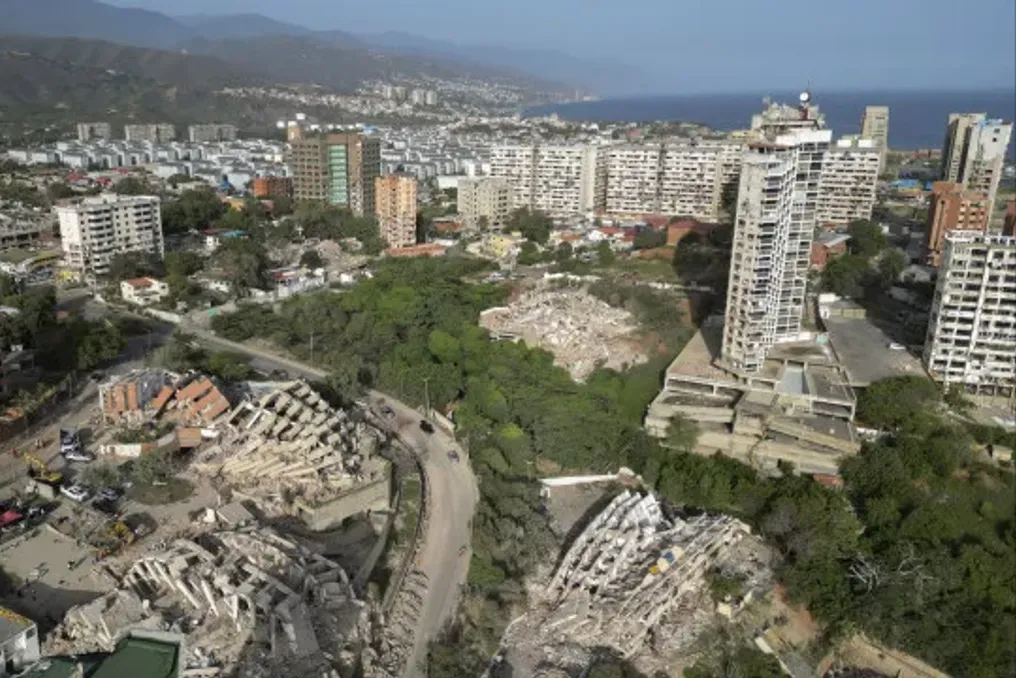
A World Bank report issued on Thursday indicated that the damage caused by the seismic events in Venezuela, which occurred on June 24, has an estimated cost of $19.6 billion (equivalent to €17.2 billion at the current exchange rate). It is estimated that these events could compromise the country's economic recovery for a period of ten years.
Details of the Earthquakes and Sanctions
The tremors on June 24 registered magnitudes of 7.2 and 7.5 on the Richter scale, occurring with only a 39-second interval. These are considered among the most severe disasters in recent Venezuelan history, resulting in an official toll of at least 5,546 deaths and 16,740 injuries.
The United States began imposing targeted sanctions on Venezuelan authorities in 2015, during the Obama administration. Economic actions against the government of Nicolás Maduro were expanded starting in 2017 and reinforced in 2019 with broader restrictions on the Venezuelan economy, including the state oil company PDVSA.
Since then, the U.S. Department of the Treasury has granted specific licenses and exemptions to enable certain operations, including those related to the oil sector, especially after the political changes in Venezuela following the detention of Maduro by the United States on January 3.