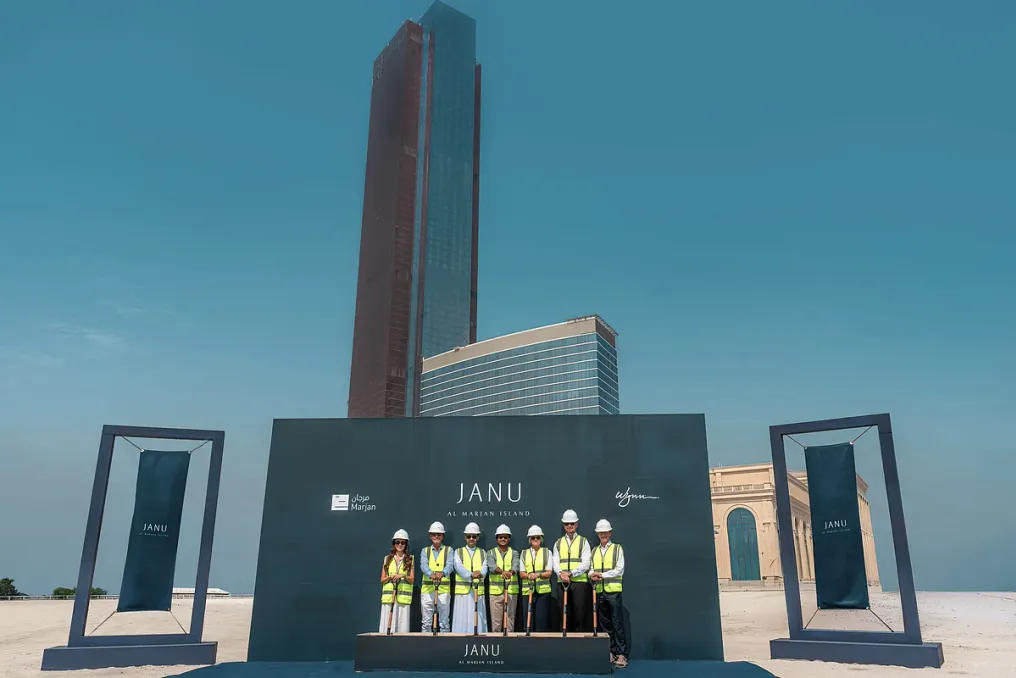
Marjan and Wynn Resorts have started construction of Janu Al Marjan Island—a new luxury complex that will include a hotel and branded residences. The launch of this project is scheduled for 2029.
Marjan and Wynn Resorts have started construction of Janu Al Marjan Island—a new luxury complex that will include a hotel and branded residences. The launch of this project is scheduled for 2029.
This project will be the second joint venture between the partners on Al Marjan Island. It will be located next to Wynn Al Marjan Island, which is the UAE's first integrated gaming resort and is set to open in 2027. Janu Al Marjan Island will become Janu's first destination in Ras Al Khaimah, expanding Aman Group's presence in the UAE as the emirate continues to introduce new projects in elite hospitality.
The architectural design for the water feature was developed by SCDA Architects and will combine a luxury hotel, branded residences, and wellness-focused areas. The project was initially announced in November 2025, and the groundbreaking ceremony marked the start of work.
Abdulla Al Abdooli, CEO of Marjan Group, noted that this project is another step in the long-term development of Al Marjan Island as an international coastal destination. He emphasized that attracting global hotel brands and investment partners will help diversify Ras Al Khaimah's tourism offering, strengthen its international image, and support long-term economic growth.
Al Abdooli added: 'Janu's approach to modern luxury perfectly aligns with this vision, and the start of construction opens a significant new chapter in the island's journey on the world stage.'
Max Tappener, President of Wynn Al Marjan Island, stated that Janu will complement the neighboring Wynn complex and offer a unique hospitality experience for the area. He noted: 'As neighboring properties, we anticipate a natural connection between our guests and residents, which will create tangible benefits for both properties.'
Janu, whose name originates from a Sanskrit word meaning 'soul', is part of Aman Group and focuses on well-being, social connection, and contemporary hospitality. Vlad Doronin, Chairman and CEO of Aman Group, considers Ras Al Khaimah a suitable location for the brand as part of its expansion into emerging destinations for elite tourism.
According to him, Janu Al Marjan Island will provide an environment where guests and residents can interact through shared experiences, utilizing the emirate's natural surroundings. Janu first opened its hotel in Tokyo in March 2024 and plans to develop projects in locations such as Dubai, Montenegro, Turks and Caicos, and Ras Al Khaimah.
The project in Ras Al Khaimah will add to the growing portfolio of developments on Al Marjan Island, while the emirate works to strengthen its status as a regional hub for tourism, investment, and lifestyle.
Valterra Platinum demonstrated impressive financial performance for the first six months of 2026; however, three workplace accidents were recorded during this period.
The group announced a dividend of R15.1 billion after Earnings Before Interest, Taxes, Depreciation, and Amortization (EBITDA) increased fourfold. An interim base dividend reward of R32.50 per share was declared, amounting to R8.6 billion, in line with the policy of paying out 40% of net profit. An additional R6.5 billion or R24.50 per share will be paid, totaling a payout of R57 per share, covering 70% of net profit. This marks the eighteenth consecutive dividend announcement since payments resumed in 2017.
CEO Craig Miller stated that the company faced heavy losses, noting that 'we are devastated by these losses.' Following the incidents, company-wide shutdowns were implemented to increase team focus on safety compliance. Furthermore, management accountability, involvement, and visibility in managing operational risks across all divisions have been strengthened.
The strong financial results are attributed to a 4% increase in Metal and Concentrate (M&C) production, reaching 1.5 million ounces of PGM, as well as an 18% rise in sales volume to 1.7 million ounces of PGM, corresponding to an increase in refined product volume. The price increase for the PGM basket was 85%, reaching $2,801 per ounce of PGM, and 66% in Ruble equivalent, amounting to R45.993 per ounce of PGM, which is the highest average over the six months since the first half of 2021. The average realized platinum price was 106% higher than in the first half of 2023, while prices for rhodium and ruthenium rose by 94% and 167%, respectively.
The fourfold increase in EBITDA to R33.4 billion marked the third largest interim profit in the group's history. Earnings per share grew by 1633% to R82.02. The unit cost remained unchanged at R20.677 per ounce of PGM. Moreover, all costs including asset maintenance (AISC) decreased by 21% compared to the previous period, amounting to $996 for 3E ounces sold. Net cash flow reached R24 billion, and the company's balance sheet remains robust with a liquidity buffer of R55 billion.
Miller noted that the company continues to develop its world-class projects, and the new operating philosophy contributes to improving operational efficiency across the portfolio. He reported progress on the Sandsloot Underground project in Mogalakwena, where the feasibility study is moving towards an investment decision in the first half of 2027. Through operational optimization, cost discipline, and value creation, the company achieved an 18% increase in chrome recovery at Amandelbulb and a 15% annual improvement in mass recovery and recovery in the Mogalakwena North concentrator.
The company confirmed its forecasts for M&C and refined product production for 2026, believing that the business is well-positioned to maintain positive momentum in the second half of the year. Production at the in-house mining complex increased by 9% or 85,700 ounces to 1,011,800 ounces, mainly due to significant operational improvements at Amandelbulb. This growth was partially offset by weaker results in Mogalakwena, Mototolo, and Unki. POC volume decreased by 6% due to a reduction in ounces from third parties. Refined PGM product production (excluding refining services) increased by 25% to 1,741,900 ounces, driven by higher M&C production, inventory optimization, and the advance postponement of maintenance and inventory checks to the third quarter, allowing for cost savings and more even distribution of production throughout the year. In the first six months, the group spent R6.3 billion on maintaining asset integrity and advancing value-adding projects.
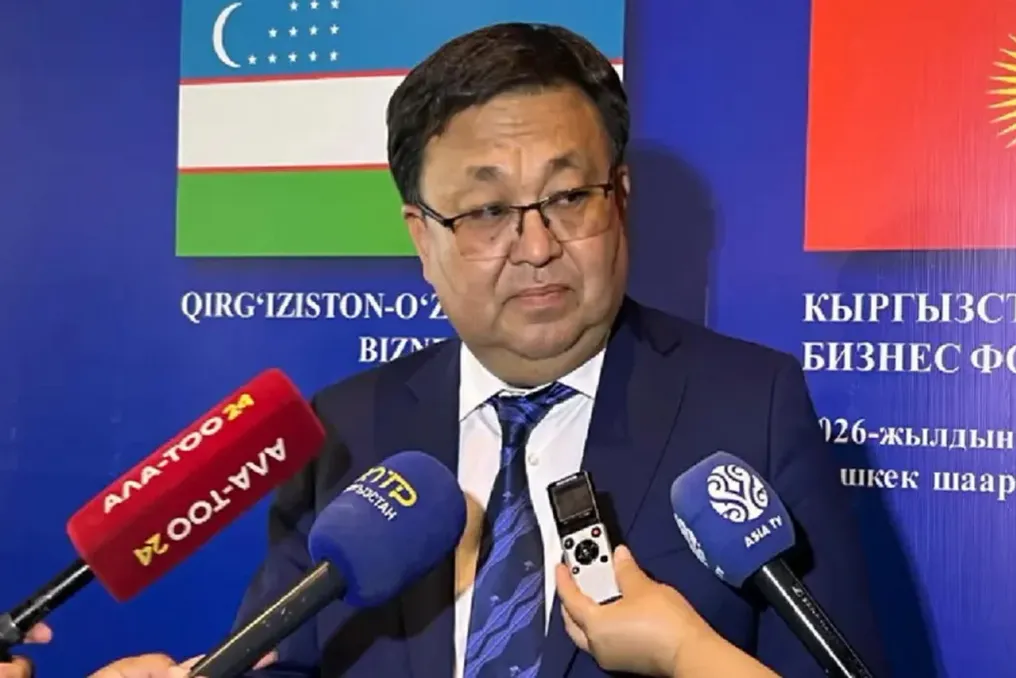
Chairman of the Board of Directors Aziz Aaliyev announced at the Kyrgyz-Uzbek Business Forum in Bishkek that the Uzbekistan and Kyrgyzstan Development Fund has approved 37 projects across various economic sectors totaling over $100 million during its four years of operation.
According to Aaliyev, the funded initiatives cover areas such as energy, transport, the social sector, clothing production, as well as the supply of equipment and components to Kyrgyzstan from Uzbekistan and other countries.
Aaliyev noted that nine of these 37 projects have already been fully completed, with participating companies successfully fulfilling their tasks and fully repaying the loans taken.
The fund is currently reviewing another 11 new projects, estimated at approximately $100 million. The head of the fund emphasized that the organization's main goal is to unite enterprises from both countries, identify mutually beneficial export-import projects, and strengthen trade and economic cooperation between Uzbekistan and Kyrgyzstan.
Furthermore, plans were announced to expand financing options by using national currencies, a decision that has already received approval and will help reduce currency risks for entrepreneurs. The fund also intends to implement lending mechanisms based on Islamic finance principles.
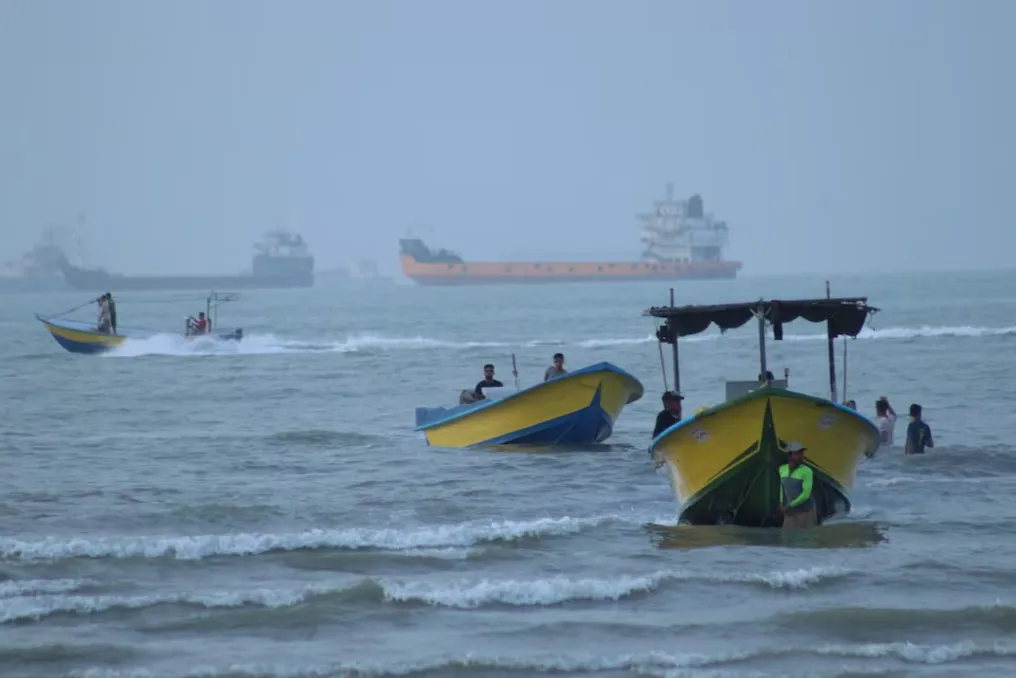
Oman has put forward a proposal to Iran for the joint administration of shipping in the Strait of Hormuz. This initiative has received support from other Gulf countries. The proposed document includes a mechanism for voluntary contributions to be collected from vessels passing through this vital sea route.
The main objective of this proposal is to mitigate potential disruptions to global trade arising from escalating military tensions between the US, Israel, and Iran. According to the presented plan, the management of vessel traffic in the strait will be conducted jointly, excluding the transfer of full unilateral control to Tehran. This model is similar to the practice used in the Strait of Malacca, where there are voluntary payments for navigation and environmental protection.
The United States has strongly opposed the introduction of any fees. Washington emphasized that the Strait of Hormuz is an international waterway and should not be subject to restrictions by Iran. Oman's initiative arose after US President Donald Trump announced a temporary suspension of a series of airstrikes against Iranian infrastructure and the establishment of diplomatic contacts. Nevertheless, Iran denies conducting new negotiations with Washington.
Tensions in the region have intensified: US Central Command reported intercepting Iranian ballistic missiles. In turn, Saudi Arabia announced the successful repulsion of drone attacks originating from Iraq, while Houthi rebels in Yemen declared a blockade of Saudi ports in the Red Sea.
Previously, Omani authorities had been studying the possibility of introducing fees for vessels passing through the Strait of Hormuz. These considerations were prompted by direct pressure from Iran, which sought joint control over this strategic route. Tehran insisted on a more active involvement in regulating shipping and demanded that tankers carry Iranian insurance.