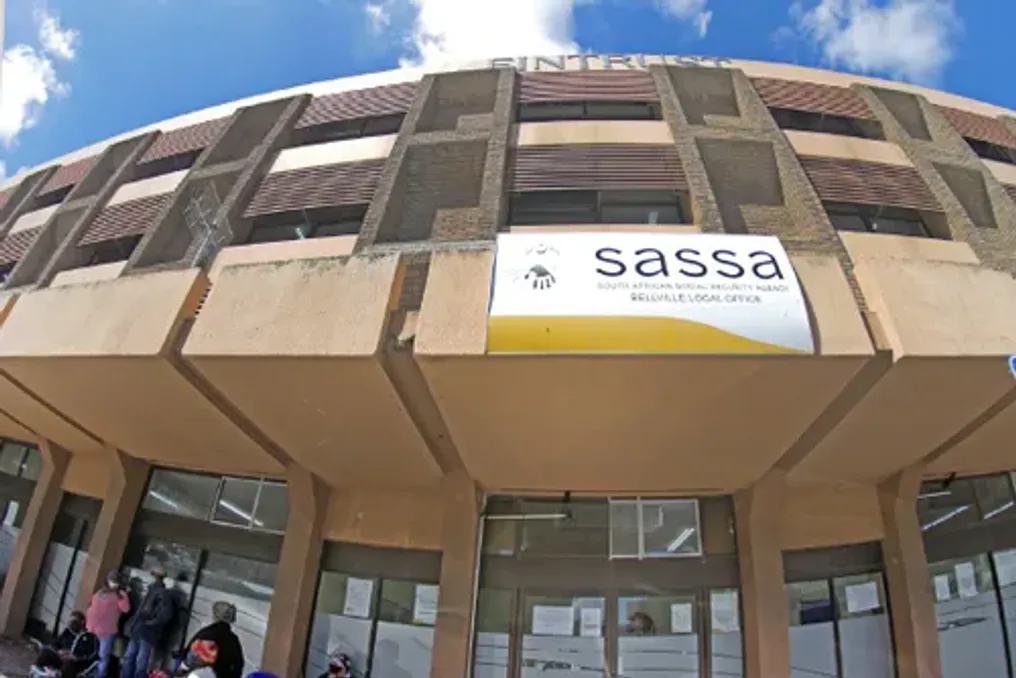
The Department of Social Development has not utilized its R4.8 billion social benefit budget for 2025/26. This fact raises serious questions, especially considering that pensioners in rural KwaZulu-Natal have to travel long distances to reach inaccessible taxis and wait for hours in offices that may deny them service.
Distribution of unused funds
The unspent R4.8 billion includes R793 million solely for old age pensions, R533 million for child support, and R318 million for disability grants. These funds, intended to support the poorest residents of South Africa, amount to approximately R1200 extra per person annually, but they have not reached the recipients.
Systemic issues and reporting
Arguments such as 'stricter vetting and reduction of beneficiaries' are not justifications, as they indicate that the system has become better at retaining money from the poor than delivering it to them. This problem is not new: in 2020/21, the ministry disclosed R1.32 billion in irregular expenditures. Only the Gauteng provincial branch accumulated over R1.3 billion by the start of 2025, including R142 million for 'dignity packages' purchased in one year but paid for only in the next.
Accountability of leadership
The Chief Auditor has repeatedly found that no one is held accountable for such incidents, and this cycle repeats annually. Batabile Dlamini led the grant crisis in 2017, which endangered the lives of 10 million beneficiaries. The Constitutional Court personally deemed her 'reckless and grossly negligent' and ordered her to pay 20% of legal costs out of her own pocket in 2018—the first time a public official was forced to do so. It took her three years to make this payment. In 2022, she was convicted of perjury during an investigation into her own activities.
In 2026, Sisisi Tolashe was dismissed by Ramaphosa after months of scandals—it was a dismissal, not a prosecution. The acting minister held the post for six weeks before Dina Pule was appointed at the end of June, returning to the cabinet more than ten years after being removed as Minister of Communications due to a hidden conflict of interest, while a conference worth R120 million under her leadership grew to R600 million.
Qualifications and ministerial scandals
Examining the qualifications of these individuals reveals that Dlamini, despite being trained as a social worker, arrived in office already convicted of fraud in the 2006 Travelgate case. Susan Shabangu, a former union activist, served for only about 15 months without any qualifications in social welfare or administration. Lindive Zulu brought a journalism degree and decades of ANC diplomacy, rather than expertise in social policy. Tolashe had no higher qualifications in official documents—her achievements were based on activism and rank in the ANC Women's League, not management.
Tolashe was also accused before Parliament of redirecting state 'food assistance' hired by the department with a salary of about R15,814 per month to work as an unpaid nanny in her private home, with about half of that salary paid monthly to her own daughter. The worker's lawyer told Parliament that she was 'treated like a slave.' Tolashe denied knowledge of these payments under oath; her dismissal occurred later due to an unrelated vehicle donation, not because of this.
Unfulfilled promises and contrast
Zulu spent five years promising a permanent basic income grant that would replace the 'temporary' SRD grant of R370; seven years after the introduction of this grant, it remains as temporary as it was on its inception day. Four ministers, 16 years—crisis, condemnation, frozen promise, scandal. Not a single managerial decision has survived the term of its minister, and none of them were initially suitable for the position.
The situation resembles a village headman who changes every few years, while the results for the villagers remain unchanged. Such leadership, unable to find R4.8 billion for its elders and unable to appoint a qualified minister to manage its department, still travels under police and private security escort. They are protected from the very villagers, using the villagers' money, for protection they never consented to.
Security spending versus citizen needs
While benefit recipients queue from dawn for a grant of a few thousand rand per month, the country spends nearly R2.5 billion annually on VIP security for the president and cabinet. Furthermore, VIP security units reported overtime of R360 million since 2022 and R42 million for fuel over six years for blue light convoys that regularly obstruct regular drivers on the roads. Additionally, each minister receives an annual salary of R2.79 million, in addition to free official accommodation, a service vehicle, a state-provided housekeeper, and business flights.
Proposals for governance improvement
There are four proposals to improve the situation. Firstly, unused funds must be allocated: legally, unused grant budgets should automatically roll over to the following year's payments, not be returned to the Treasury as 'savings.' Secondly, real consequences are required. The recommendations of the Auditor-General are meaningless if no official is ever fired or prosecuted for irregular expenditures. The Parliamentary Portfolio Committee must demand this annually, not just when a crisis forces action.
Thirdly, ministers should be vetted for suitability for the role, not their party resume. The social development portfolio, controlling R271 billion annually, deserves a minister with experience in public administration, social policy, or financial development, not just a title within the party structure. Fourthly, the minister's effectiveness—and the size of their security detail—must be tied to measurable service delivery outcomes, not press conference promises. A minister who cannot reduce a queue in six months has no right to drive past it at speed.
This ministry exists to serve the poorest and most forgotten people in the province and the country. However, for over a decade, it has become a place where political careers come to recover, where unqualified appointments go unpunished, and where the people who need government presence the most are the last ones it visits. This situation must change—starting with someone in Pretoria deciding that the dignity of the poor is more important than the dignity of a motorcade, and that accountability finally rests with them.